Big Bend is not a “pop in for an afternoon” park. It’s remote, slow, and spread out. We spent two days here in April on a Texas/New Mexico road trip and left thinking, “We could’ve easily used another day.” What makes Big Bend so special is that it feels like three parks in one: desert, mountains, and river, all in one huge, quiet corner of West Texas.
It’s best to take at least two days to see Big Bend National Park; three if you are a hiker. This will allow you to get to all 3 regions, plus enjoy some of the cool things to do outside of the park. Prepare for a lot of driving as the sites are spread apart by an hour or more.
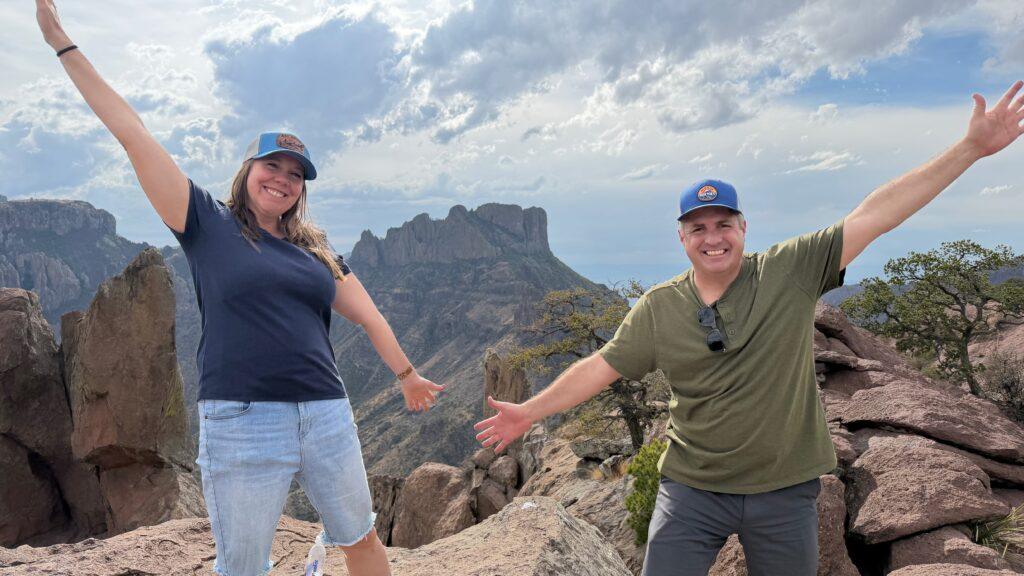
I’m Cheryl, and I love exploring national parks in the West with my husband, Matt, our kids, and our extended family. Since 2020, we’ve helped thousands of travelers plan their trips, and Big Bend is firmly in my “worth the effort” category if you do it right.
In this guide, I’ll share:
Big Bend is huge and often described as three parks in one:
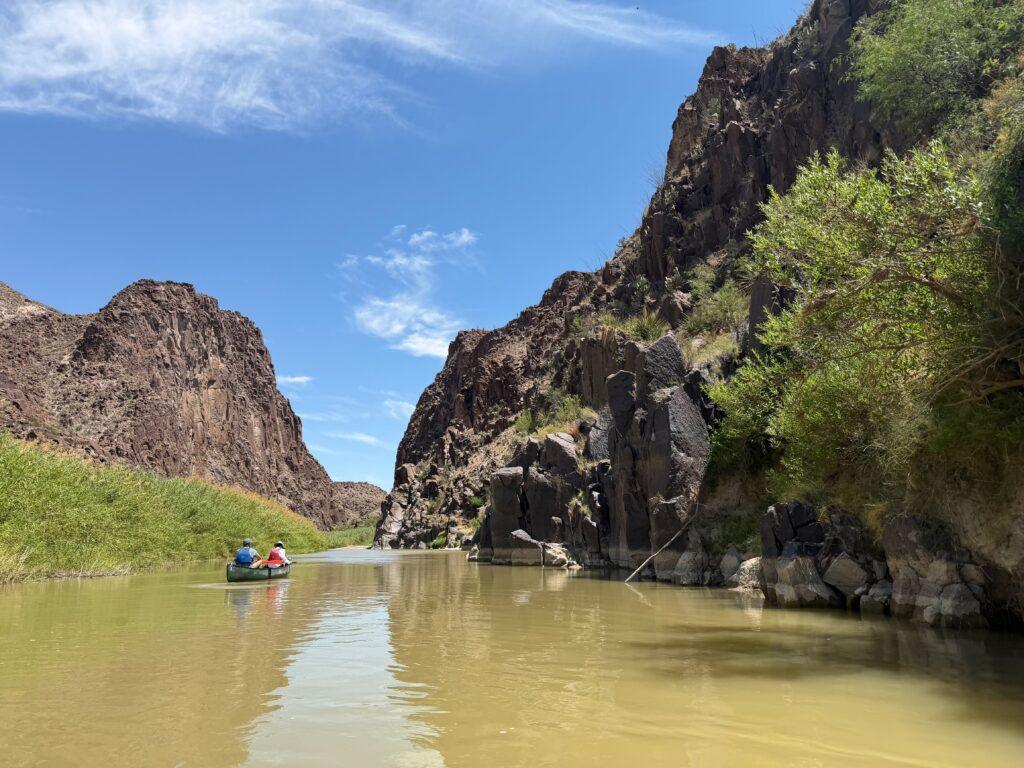
It’s over 1,2000 square miles. Although it is only 1/3 the size of Yellowstone National Park, it feels just as big because of how spread out the sites are.
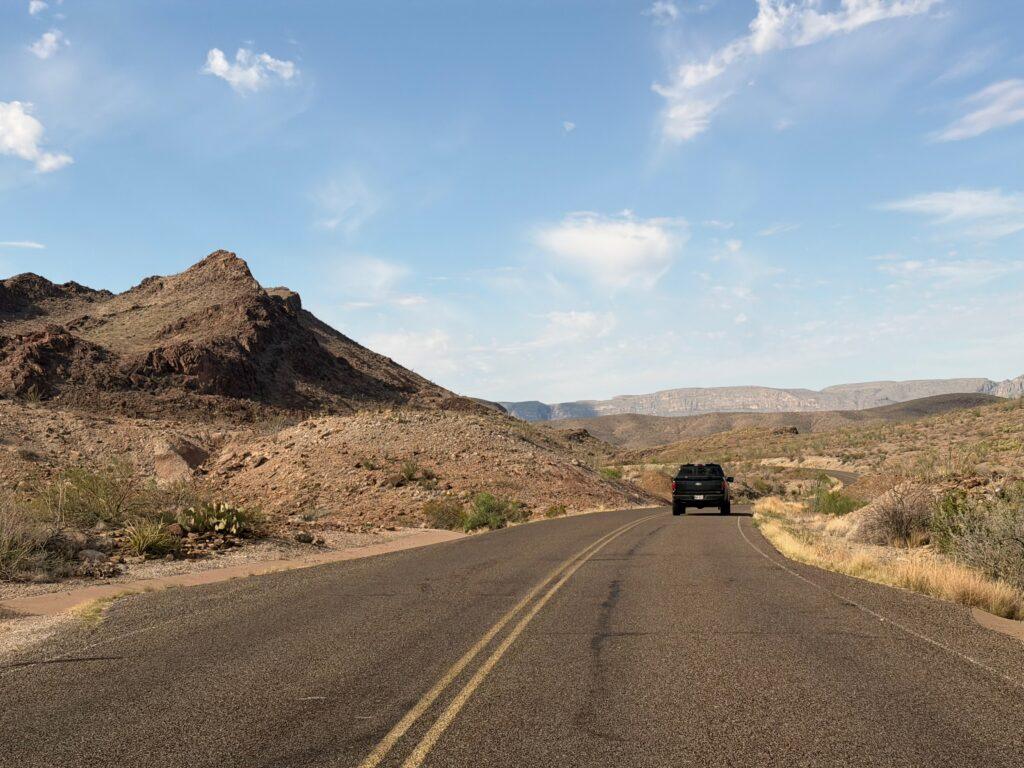
IMPORTANT TO KNOW: Big Bend is remote. We flew into El Paso, then drove about 5 hours with long stretches of no cell service. Inside the park, speed limits are low, 45 mph and below, and everything is far apart. Driving is part of the experience here.
We visited in mid-April and thought it was a great balance:
Best months for most people:
Summer is extremely hot and not a great idea for hiking. If you want to float the Rio Grande with an outfitter, March and April are usually good bets for river levels.
This is designed to get you to the best sites in Big Bend in the most efficient order. It has a mixture of hikes, scenic drives, activities, and some things to do in the evening after you have left the park for the day.
When we did this trip, we traveled with Matt’s retired parents, who are both in their 70s. While they weren’t able to do everything we did, they did enjoy the park. I’ll indicate when something is strenuous so you know what to look out for.
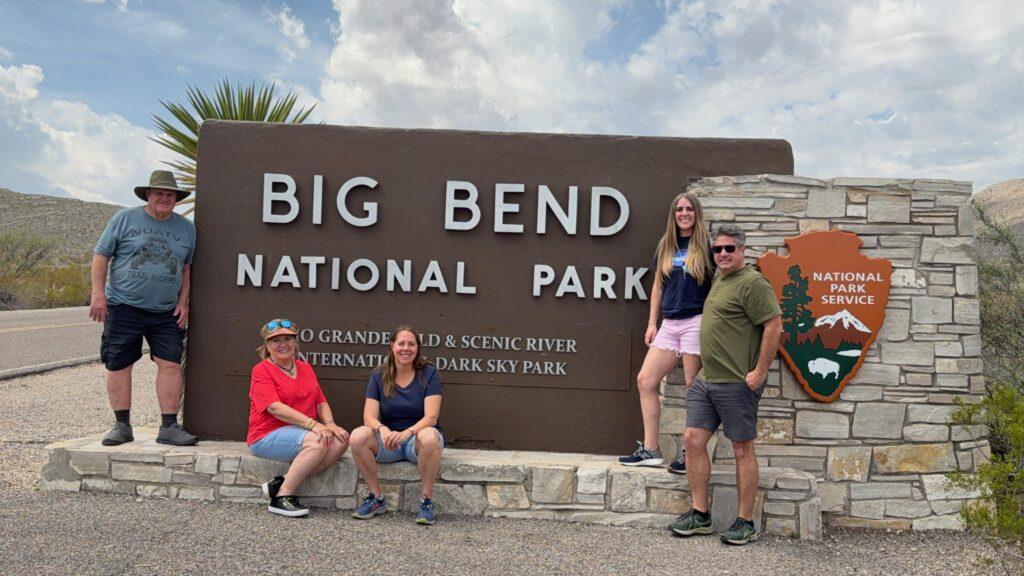
We had 2 days to visit the park. We wish we had had one more. Here’s what we did.
If we had had one more day, here’s what we would have done.
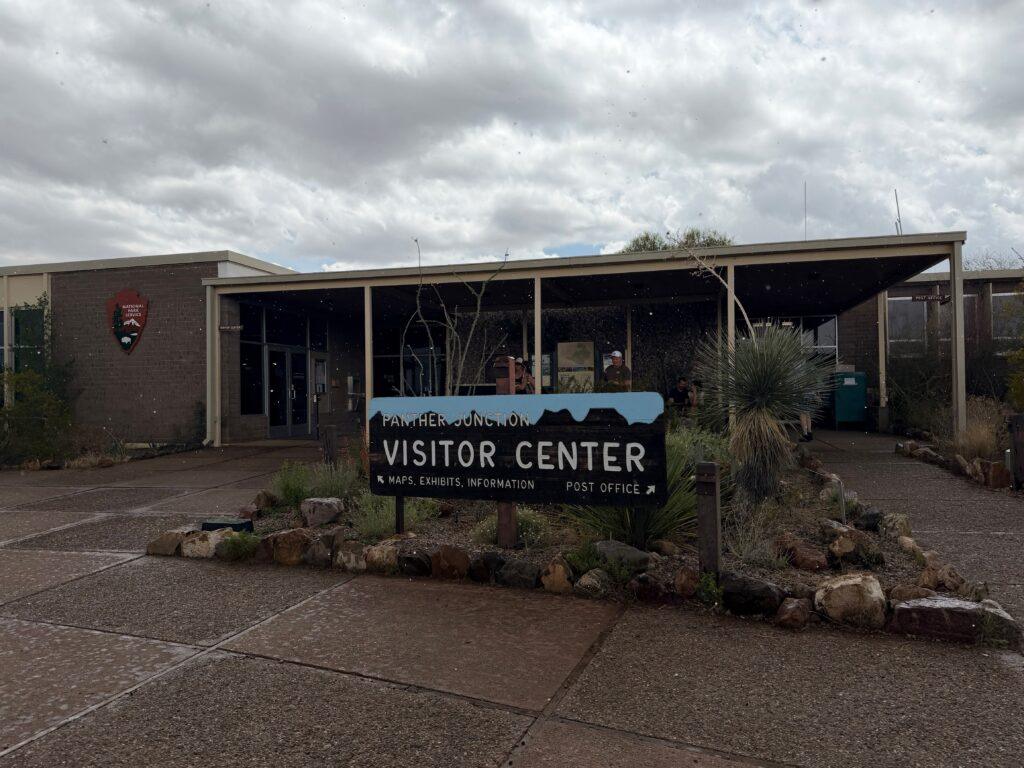
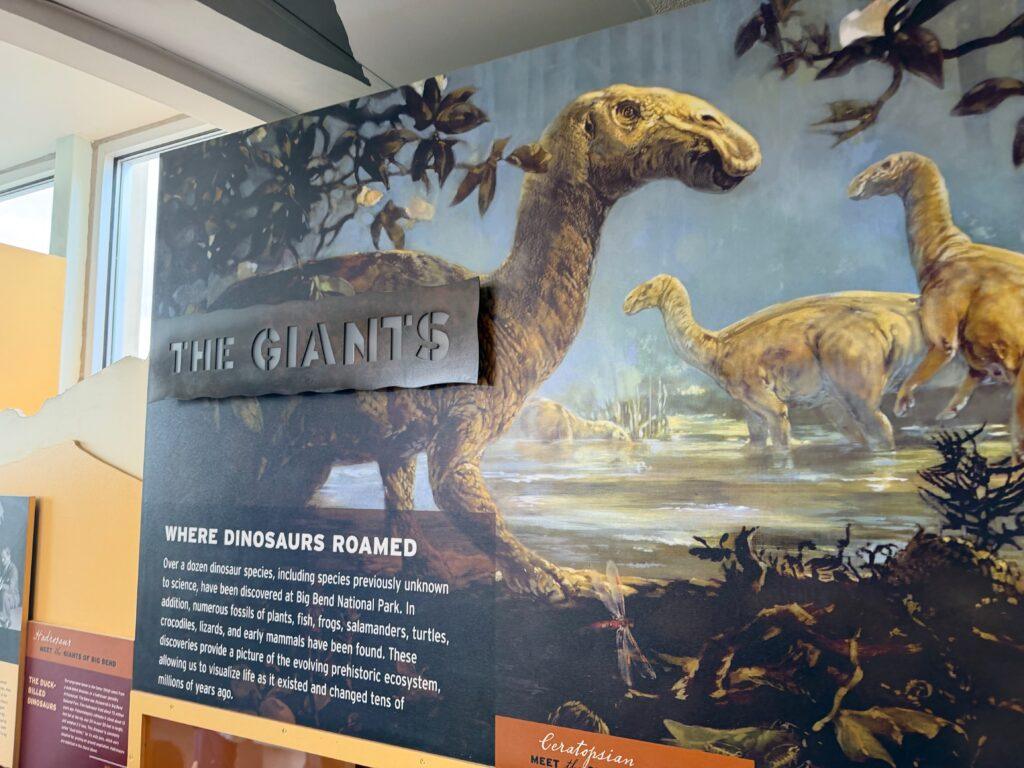
I don’t recommend starting at the visitor center in every park, but I recommend it in this one because it really set me up to appreciate what I was going to be seeing in the park.
The first thing I really liked was the giant relief map. The ranger working there was awesome and he did a little presentation where he explained that Big Bend had three very different regions: the Chisos Mountains, the Chihuahuan Desert, and the Rio Grande River. He taught us a little about each of them and recommended we spend a day exploring each.
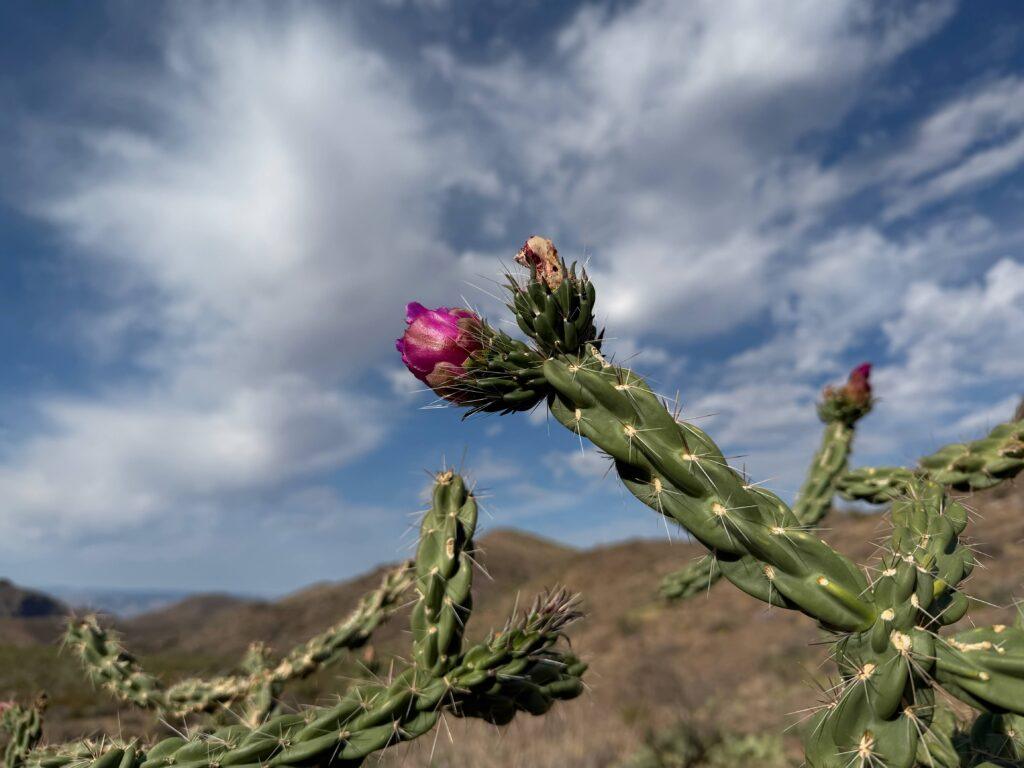
The park film was also great. We especially liked learning about the species of cacti that live in the park. There are over 40 different kinds! It talked about their life cycle and it was fun to look for those plants later on as we were driving around.
Lastly, there is the Panther Path, which is paved, flat, and easy, and it takes you through some of the plants common in the park. They are labeled, and it was super cool to see the flowering cacti.
Facilities:
We left this visitor center with a clear plan and a much deeper appreciation for the park.
Next, we headed up into the Chisos Basin. It’s about a 15–20 minute winding mountain drive that has trailer restrictions: nothing over 20 feet. You leave the desert and suddenly you’re in rugged mountains.
At the top, there’s a small visitor center with displays, flushing toilets, and a water spigot to refill your bottle. There is also a store near the campground with snacks, drinks, ice, and picnic tables.
There is also a lodge and restaurant here, but they were scheduled to be closed for a while so they could be refurbished. You can check current conditions here.
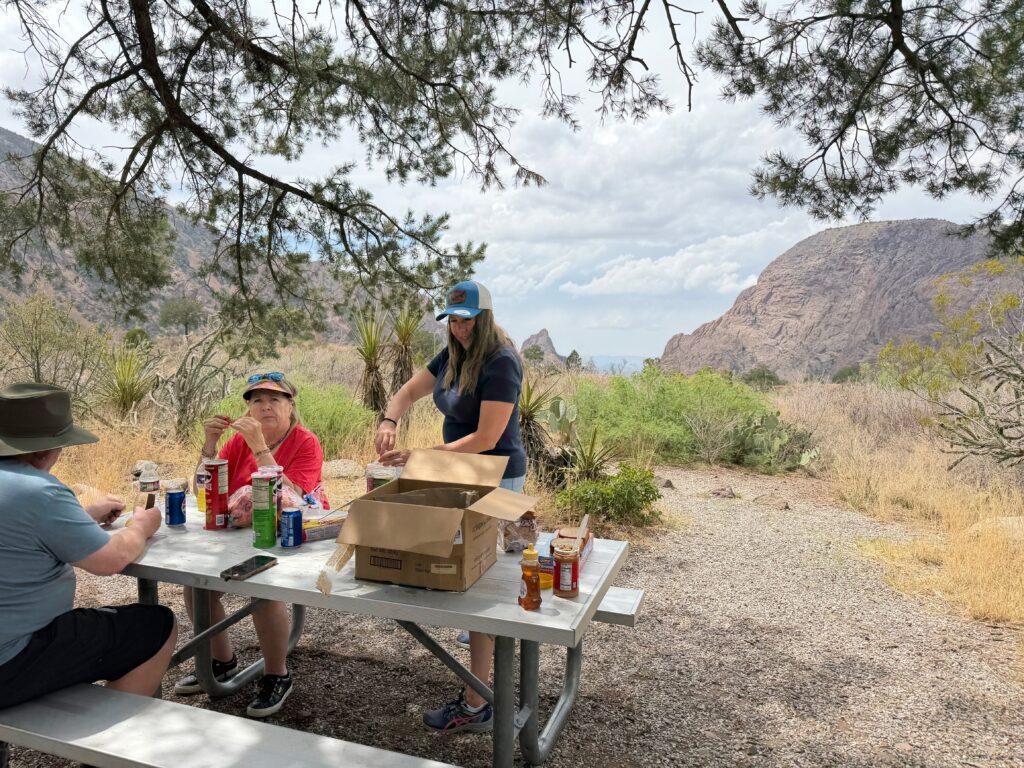
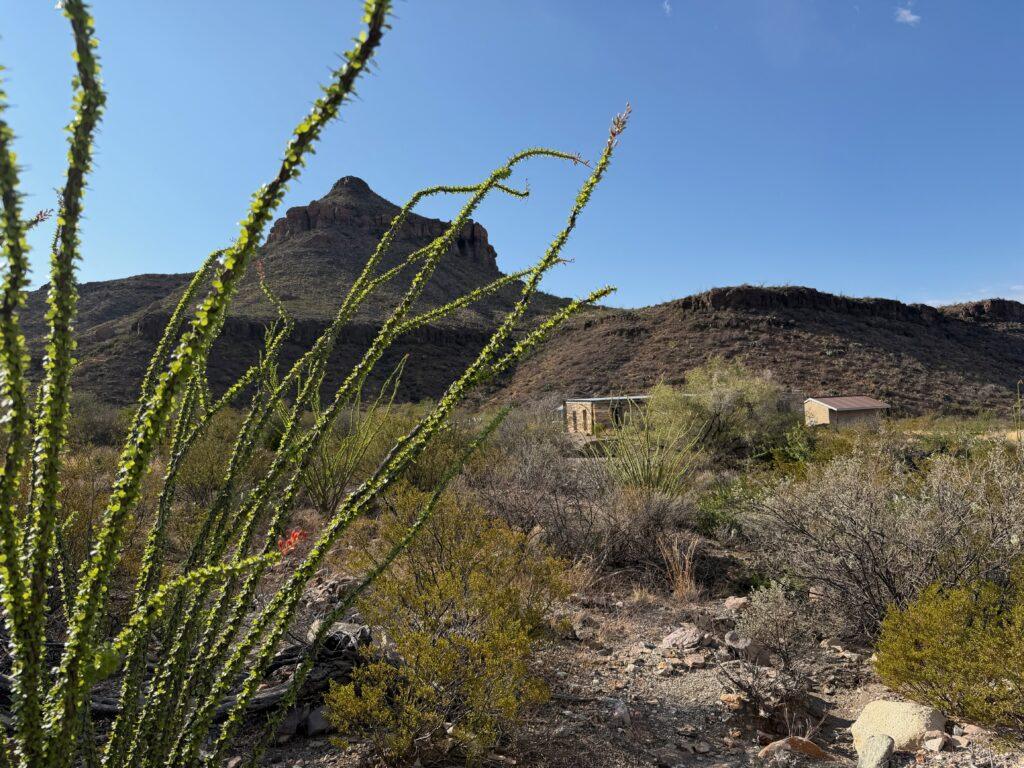
We had a picnic under a tree surrounded by cacti and mountain views. It felt like its own little world and was really nice.
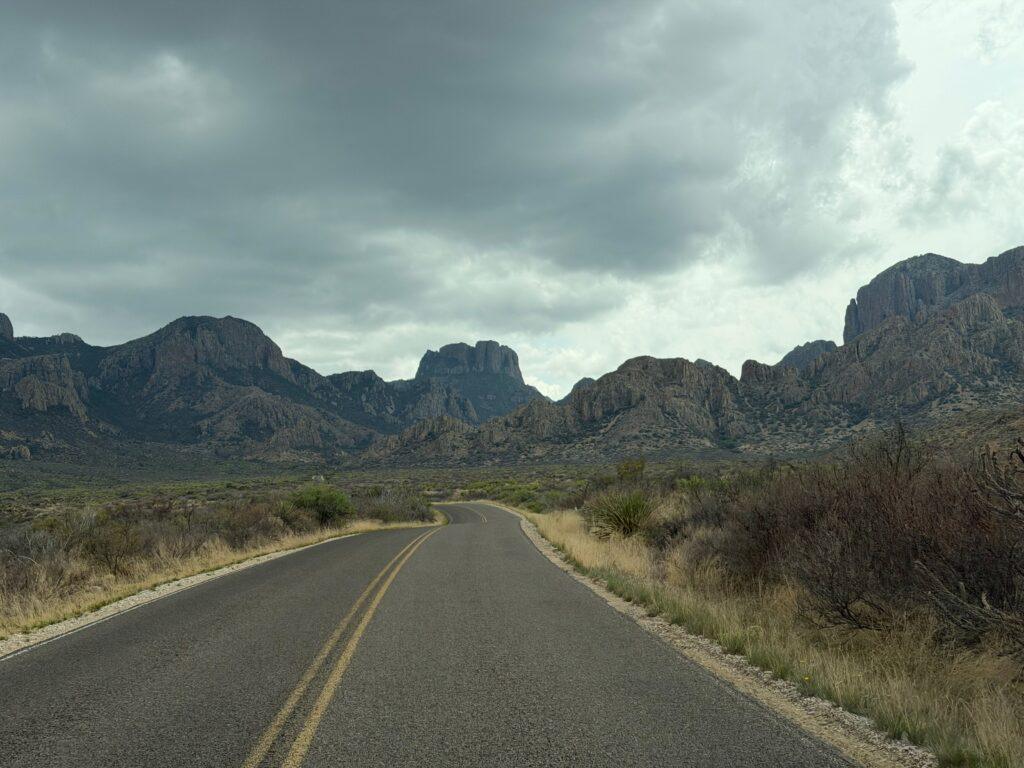
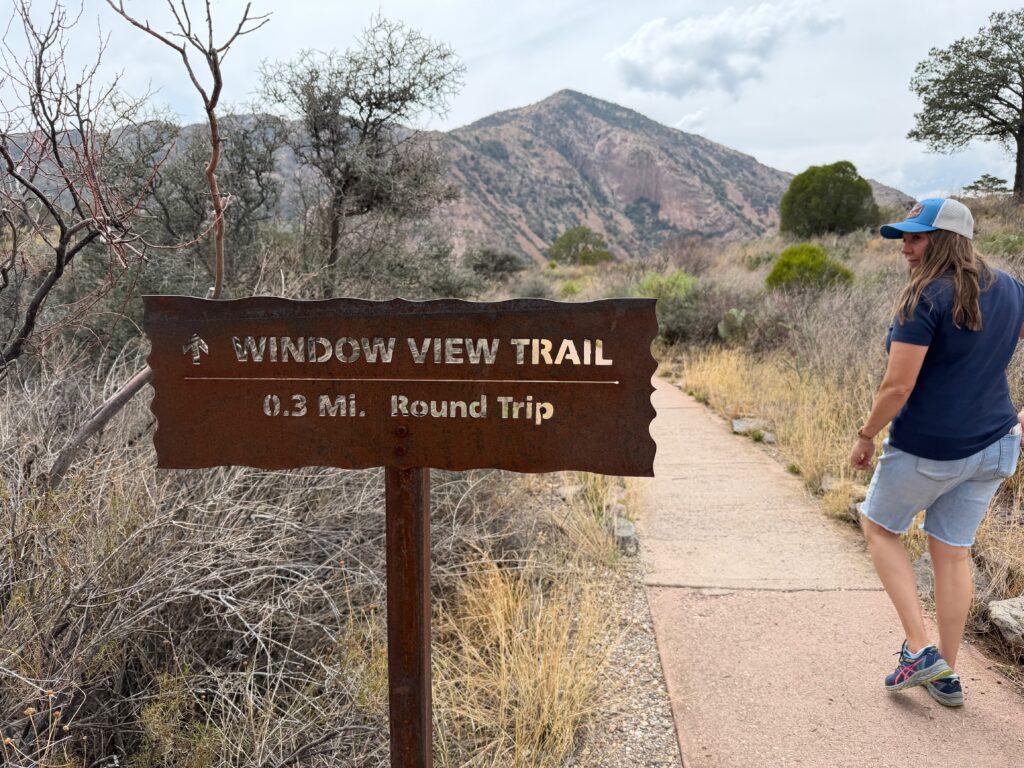
The Window View Trail, along with a few other trails, is in this area. It’s a nice, easy walk with a nice view. It’s a 0.3‑mile paved loop, flat, accessible, and family-friendly. It has great views of the Chisos peaks and the “Window” opening.
If you’re up for a moderate hike, the Lost Mine Trail is the most popular in the park.
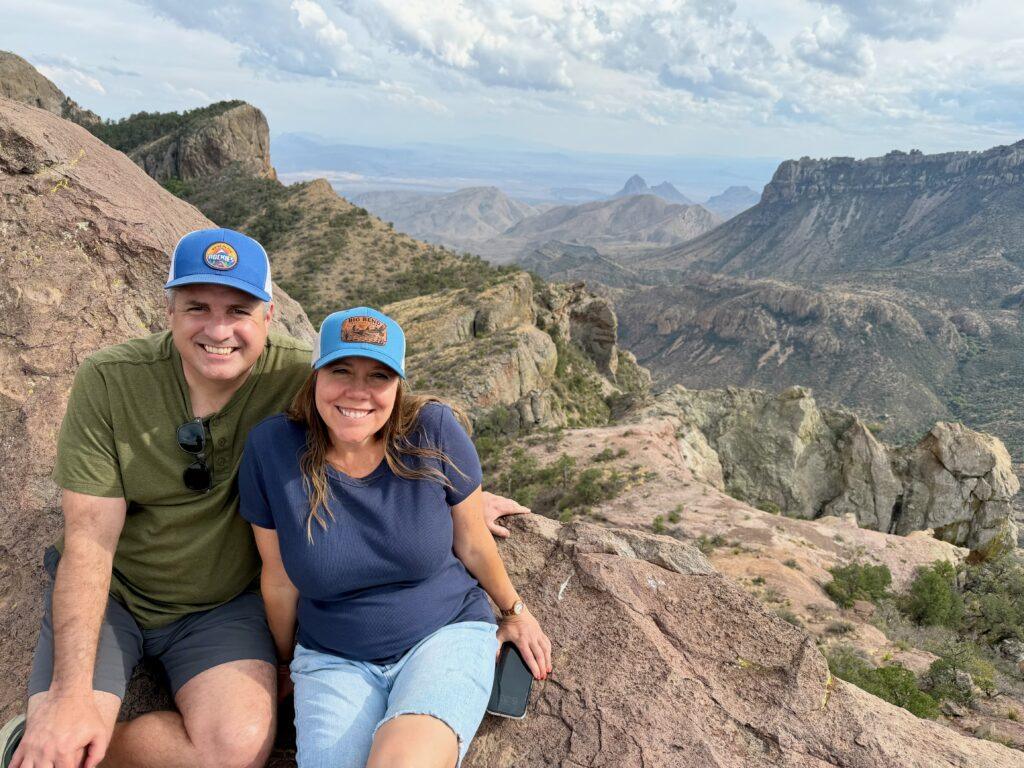
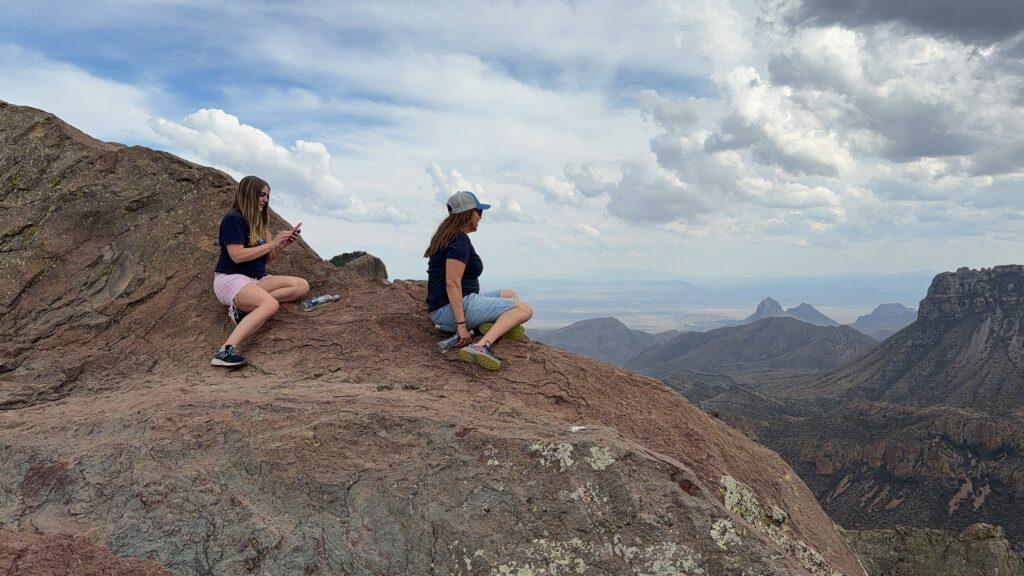
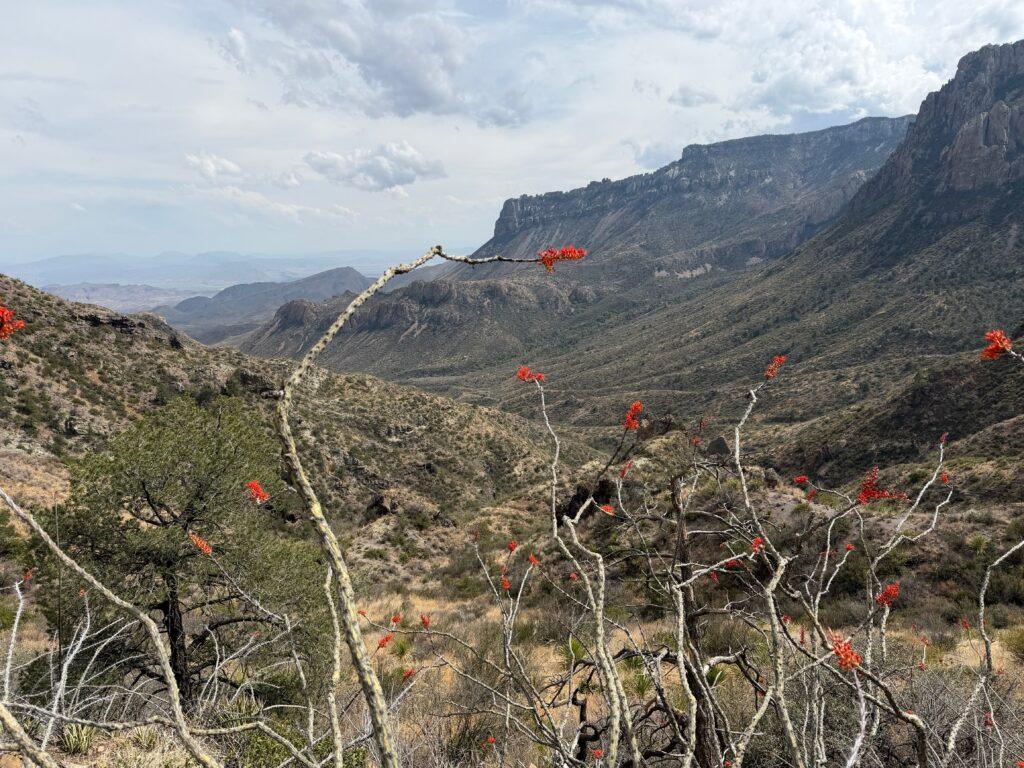
You start in cactus country, then climb into the mountains for bigger views. I especially enjoyed the reddish rock formations (very unique!) and the long views I had across multiple valleys with distant mountain ranges. There was green lichen on the rocks and I could see birds circling the canyons.
Even though this is a popular trail, we still had the overlook to ourselves. It felt quiet and peaceful.
HOT TIP: There were signs all over the park saying to be done hiking by noon. Temperatures were moderate when we visited, but I would absolutely follow this advice if you are traveling in warmer months. It gets HOT here and you need to be careful.
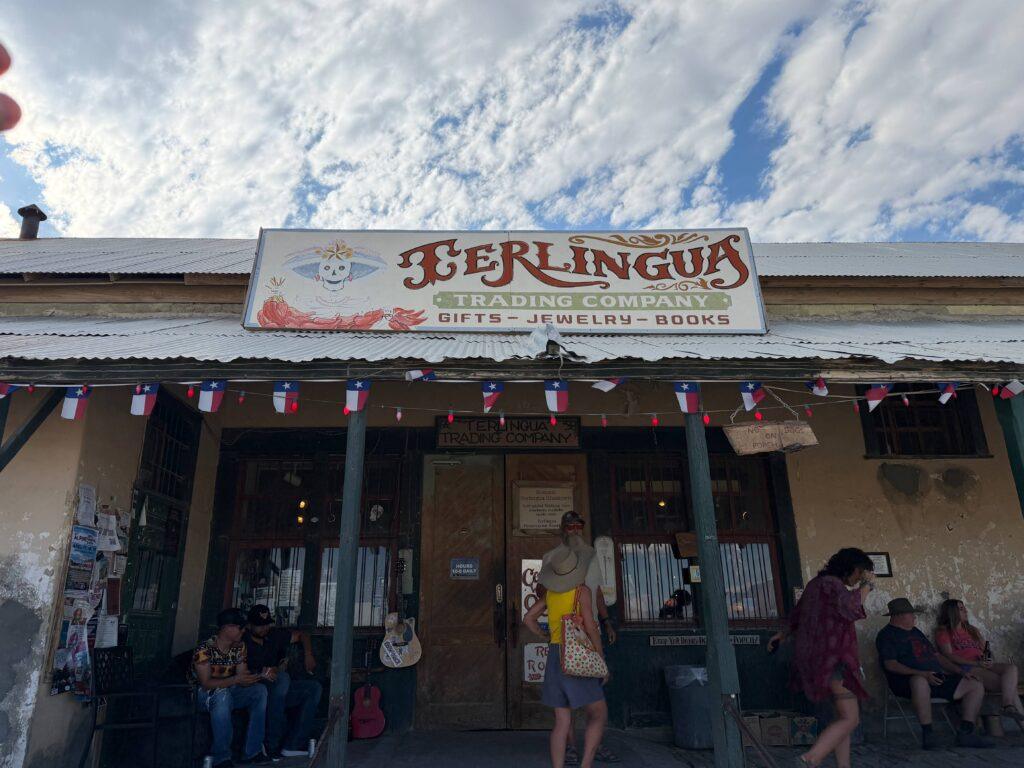
In the evening, head outside the park to the ghost town of Terlingua. This is a tiny town with a population of only 100 people. Although it has businesses that cater to tourists, it feels like a very authentic Southwest experience and we enjoyed our time in this town as much as our time in the park.
Terlingua Cemetery
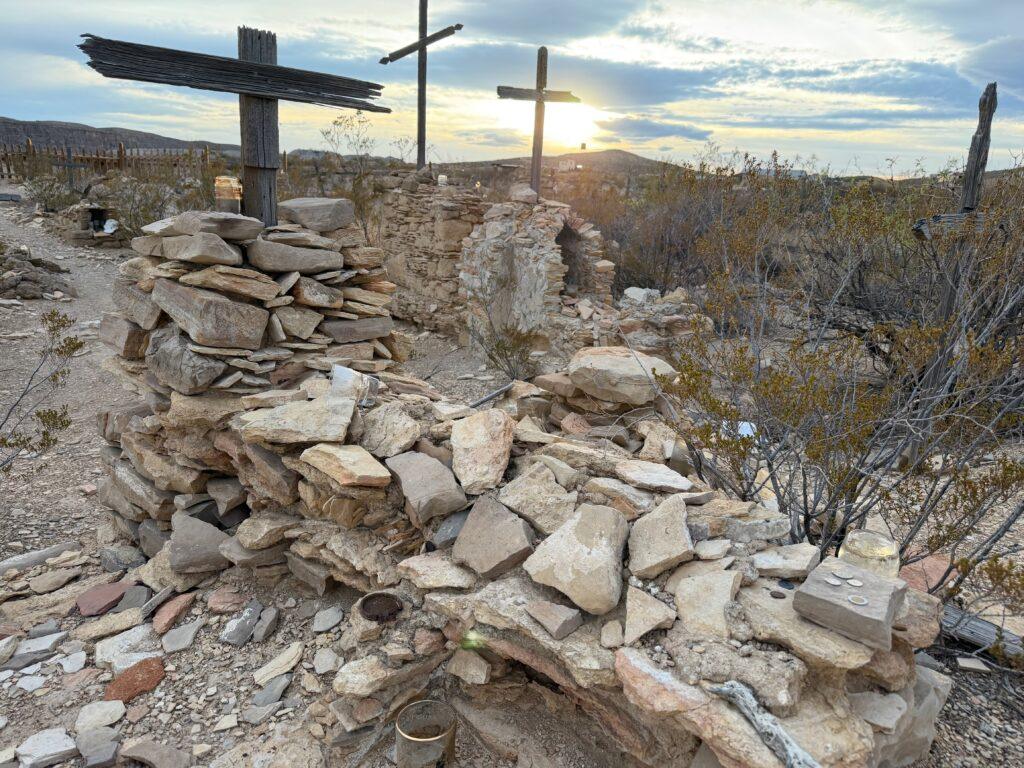
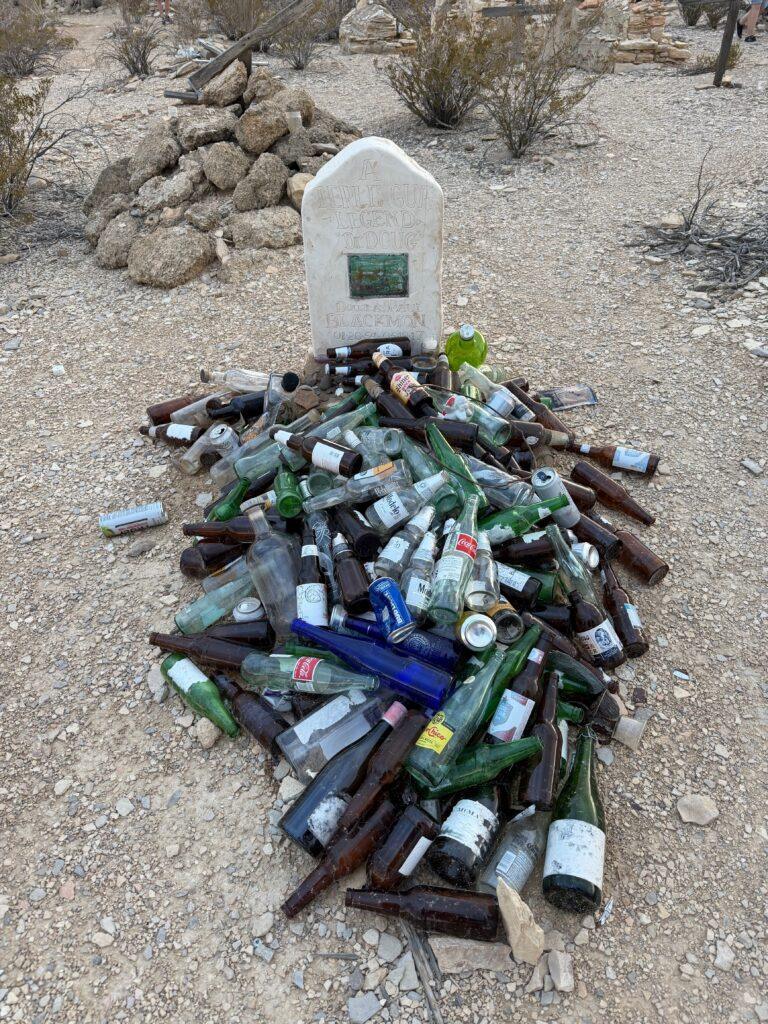
This ended up being one of my favorite Western cemeteries. Terlingua used to be a mining town, so many of the graves are of people who died in mining accidents or from a sickness that went through the town. There are around 100 graves and they look like very little has been done with them over the years.
I saw simple wooden crosses, mounds of stones, and empty beer bottles, as if someone had visited and shared a drink with an old friend. There were also coins across the tombstones and the cemetery is surrounded by red rock and cacti.
It felt raw and real and was a great spot to take pictures.
Starlight Theatre
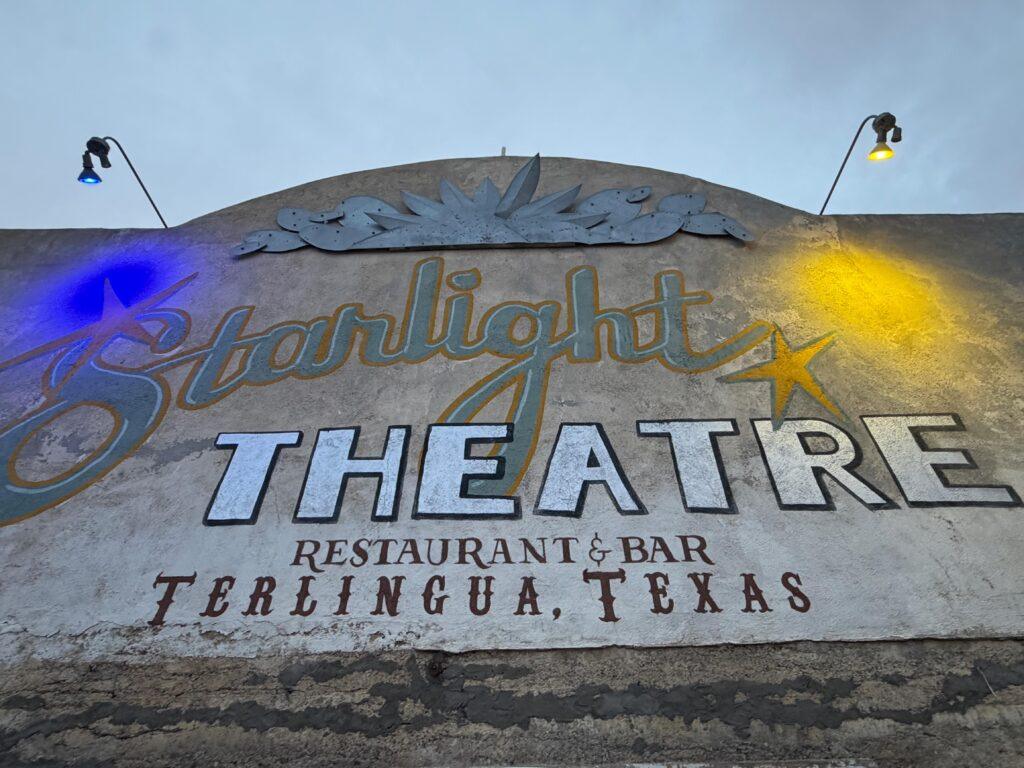
The Starlight Theatre actually isn’t a theater at all. It’s a bar and a great spot for dinner. There is usually a long wait, but we didn’t mind because it is more than just a place to eat.
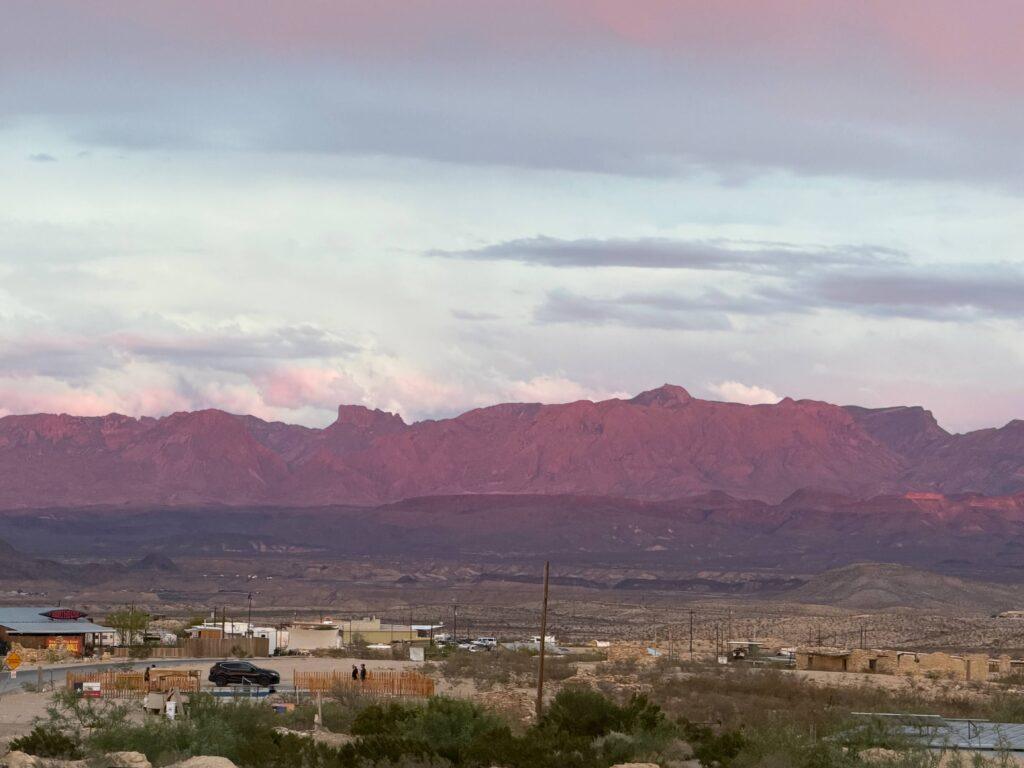
This is where the locals hang out. There’s a large wooden porch out front where everyone is drinking and socializing. It has a great view of the sunset hitting the Chisos Mountains. One night, people were playing their guitars and singing. It was WONDERFUL!
There are also some local shops you can check out while you are waiting.
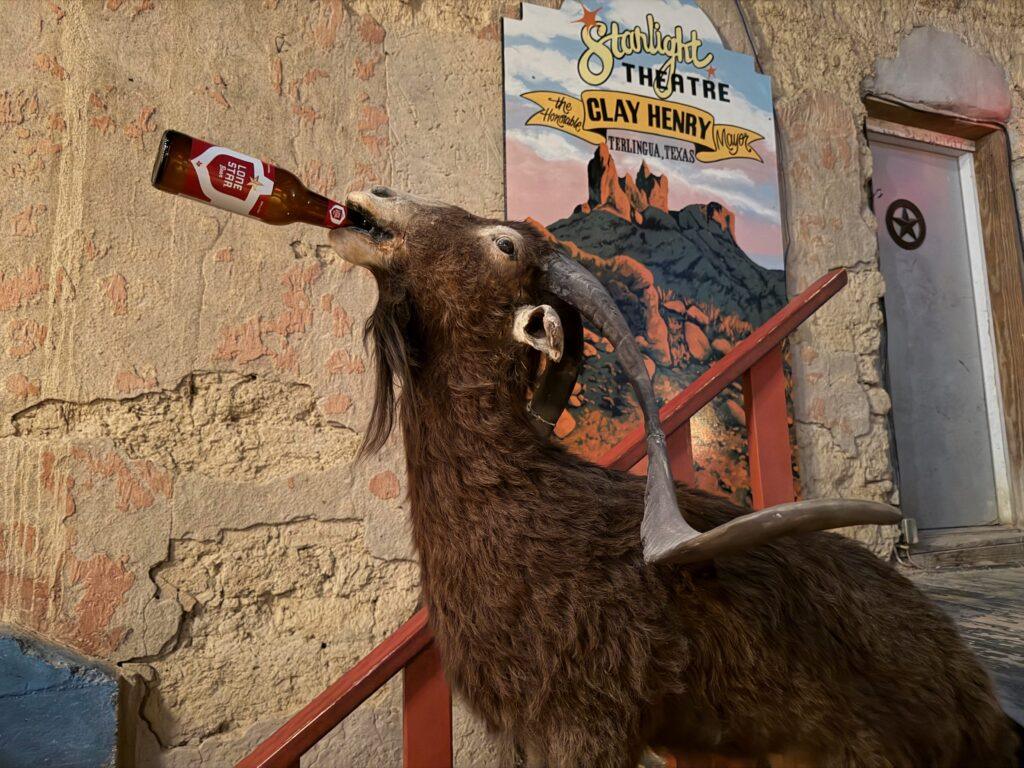
The atmosphere inside is great with all sorts of authentic artifacts from the town’s history, including a stuffed goat, Clay Henry, the past governor of Terlingua’s neighboring town, Lajitas.
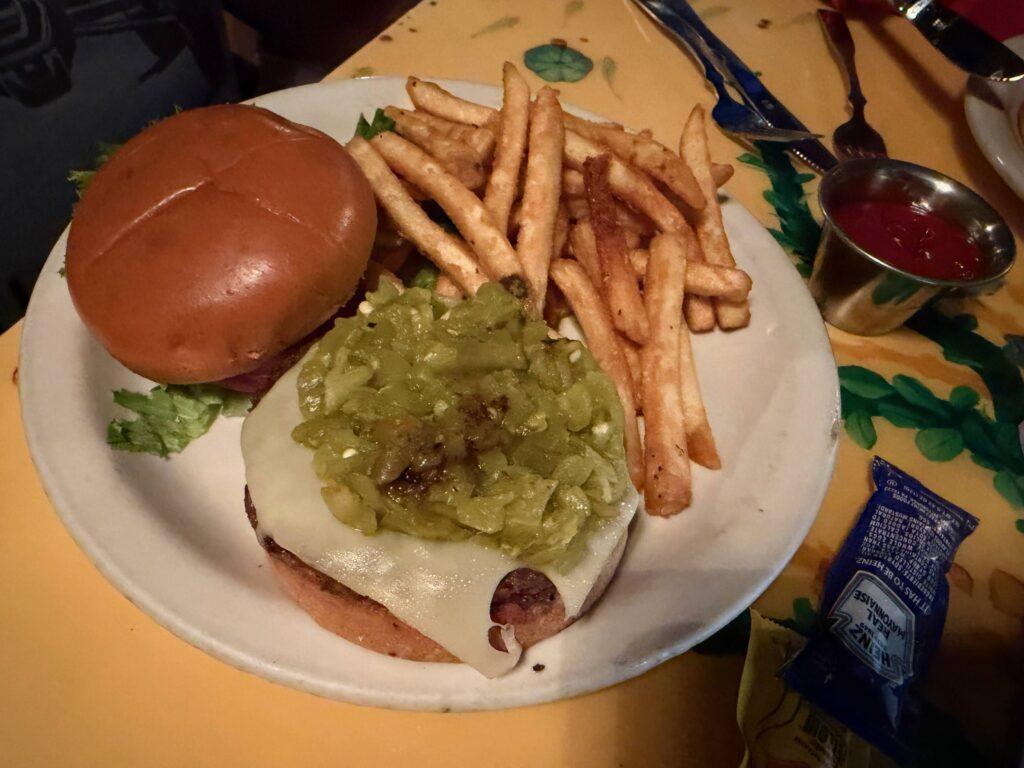
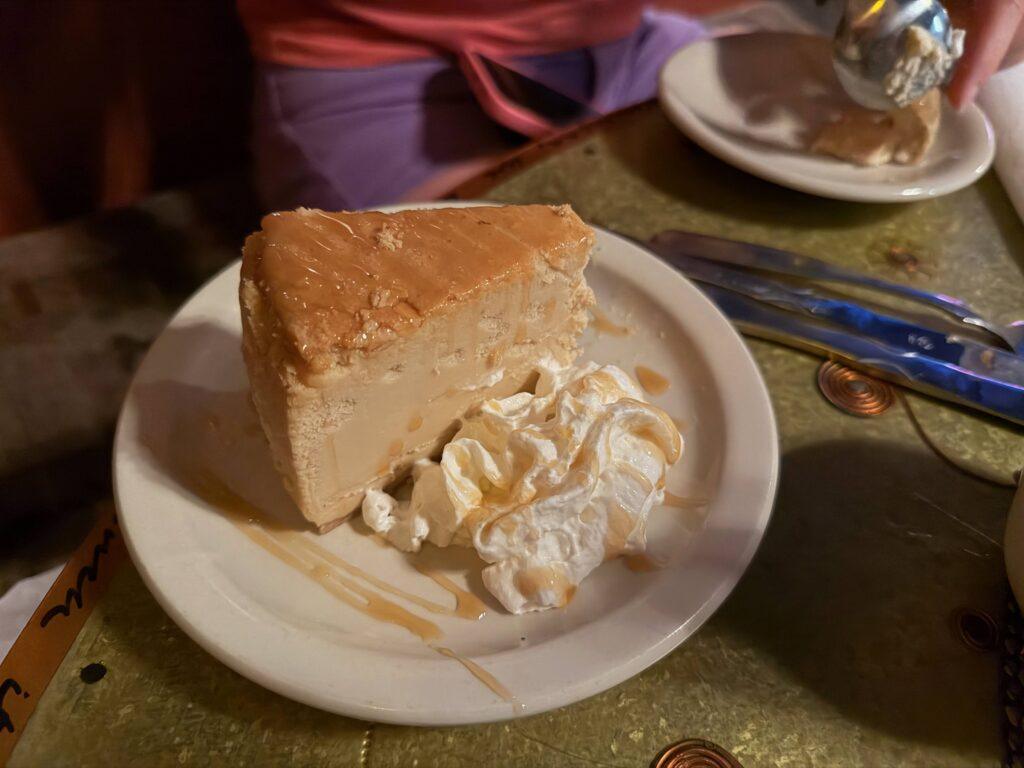
We actually ate here twice on our trip because we liked it so much. All the food was great, but I especially liked the BBQ, burgers, and jumbo shrimp tacos with mango. Their desserts were also amazing, especially the pecan cake.
It’s also common to have live music here by local musicians.
FUN FACT: The Starlight Theatre used to play movies to entertain the miners. When the mines dried up, everyone took off. The aluminum roof on the theatre was of value, so they took it with them. The theater continued to be used, without a roof. That is where the name comes from. In 1991, it was renovated and got a roof.
We entered the park around 8:00 am and headed down the Ross Maxwell Scenic Drive toward the Rio Grande and Santa Elena Canyon. Remember, this park gets hot, so the earlier you can start your day, the better.
It’s just a 30-minute drive on a paved road if you go straight there, but there are plenty of spots to stop along the way. We stopped at the:
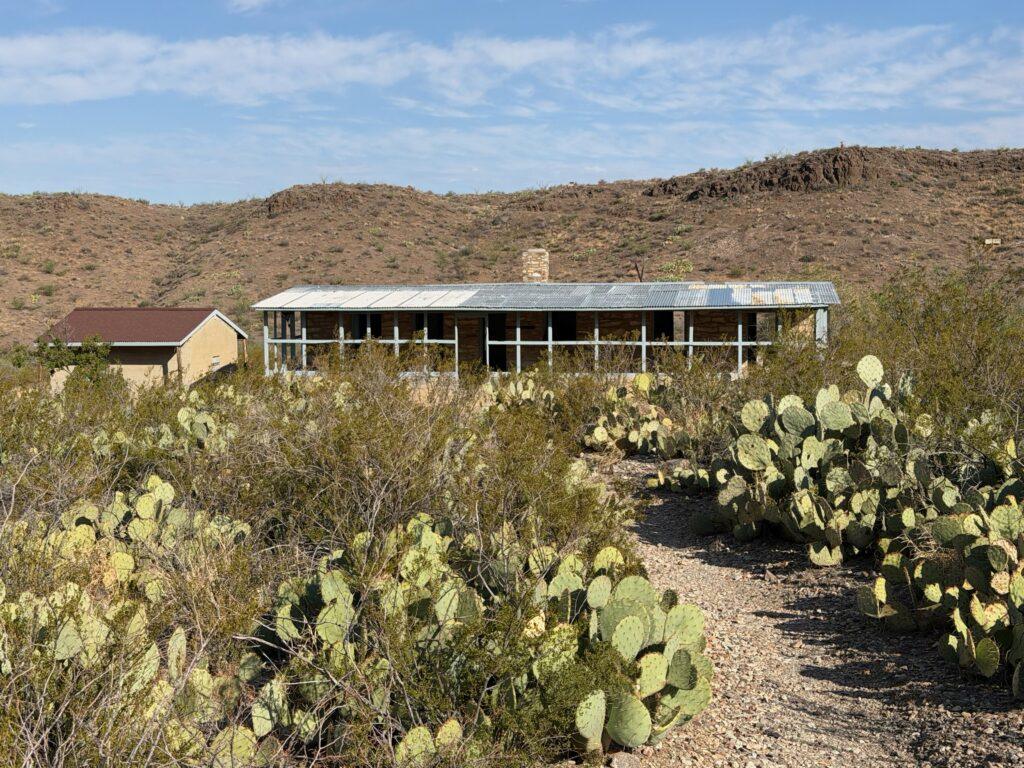
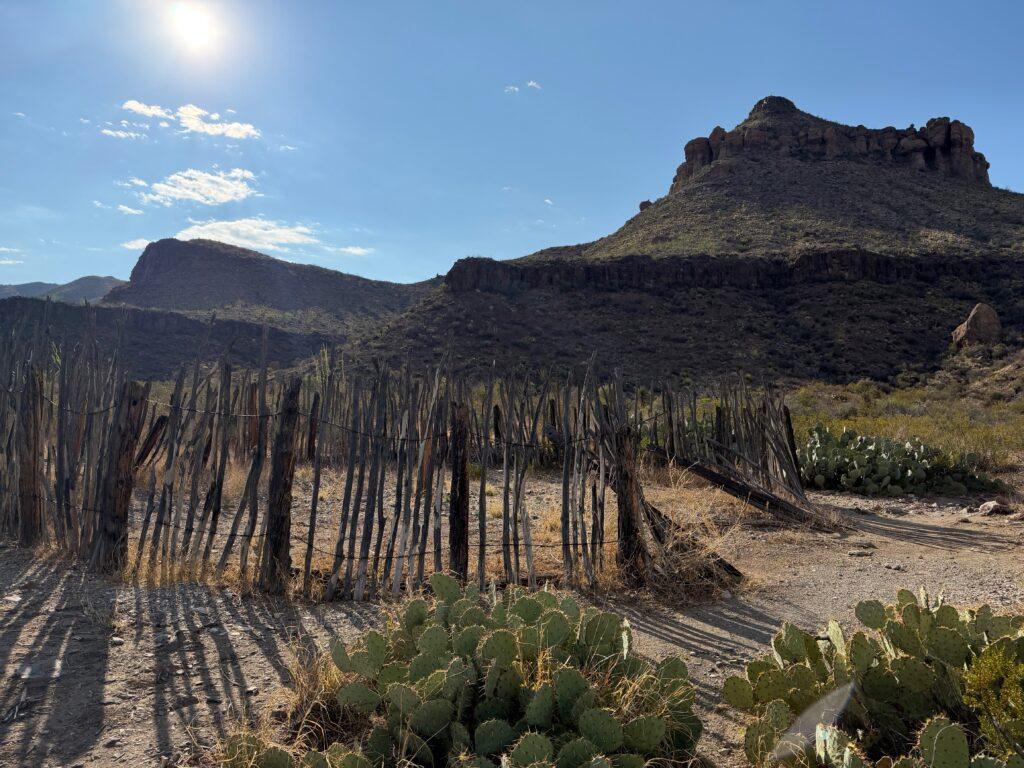
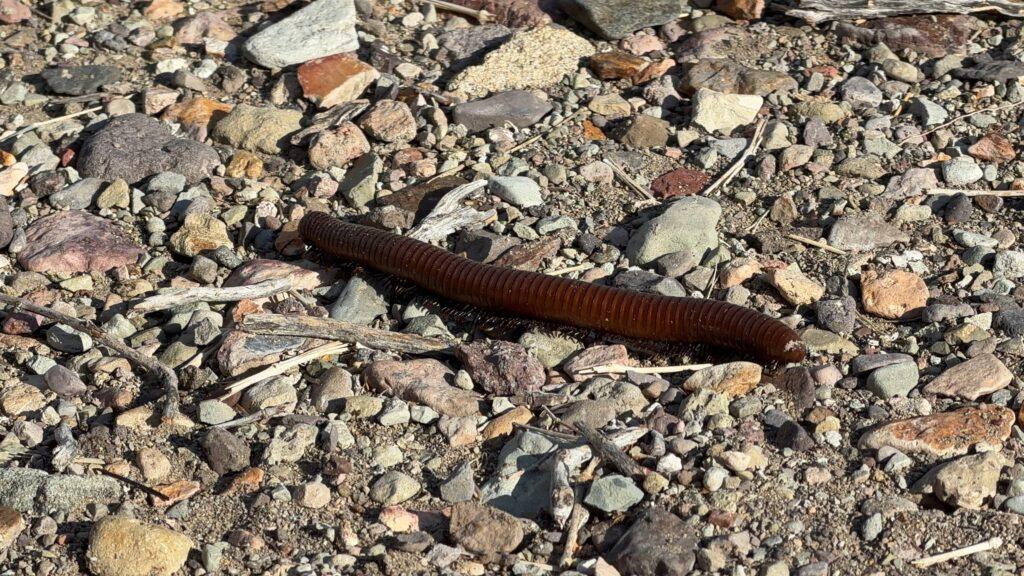
Santa Elena is one of Big Bend’s top spots. It’s a short trail along the Rio Grande into a narrow canyon with towering walls on both sides. The U.S. on one side, Mexico on the other
We didn’t make it all the way there because of road flooding and were genuinely disappointed. This happening is very rare- they only get 6 inches of rain all year. We just had bad luck! If your timing and weather cooperate, I’d absolutely include this stop.
We did get to see the Rio Grande, though, and… I was surprised how small it is. It was only 10-15 feet across and around 3 feet deep in most spots. It’s super muddy too! In fact, they really discourage people from trying to swim in it.
GOOD TO KNOW: Even though the road was flooded, there was a benefit to the recent rains. The cacti were a vibrant green and the whole park smelled so good.
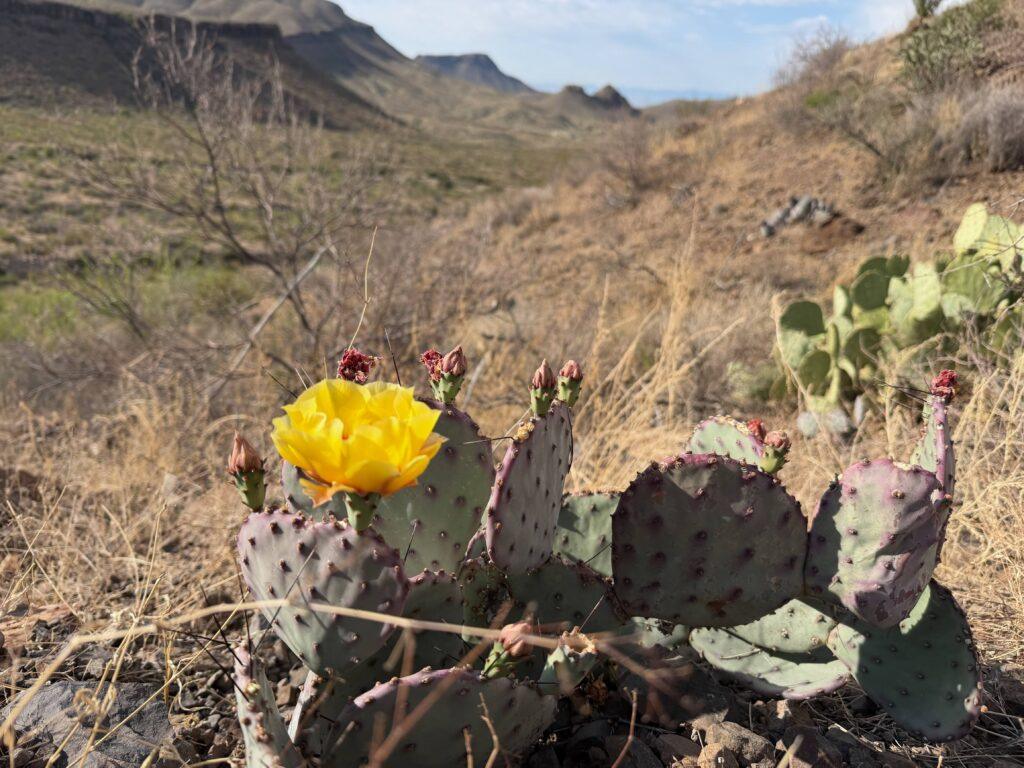
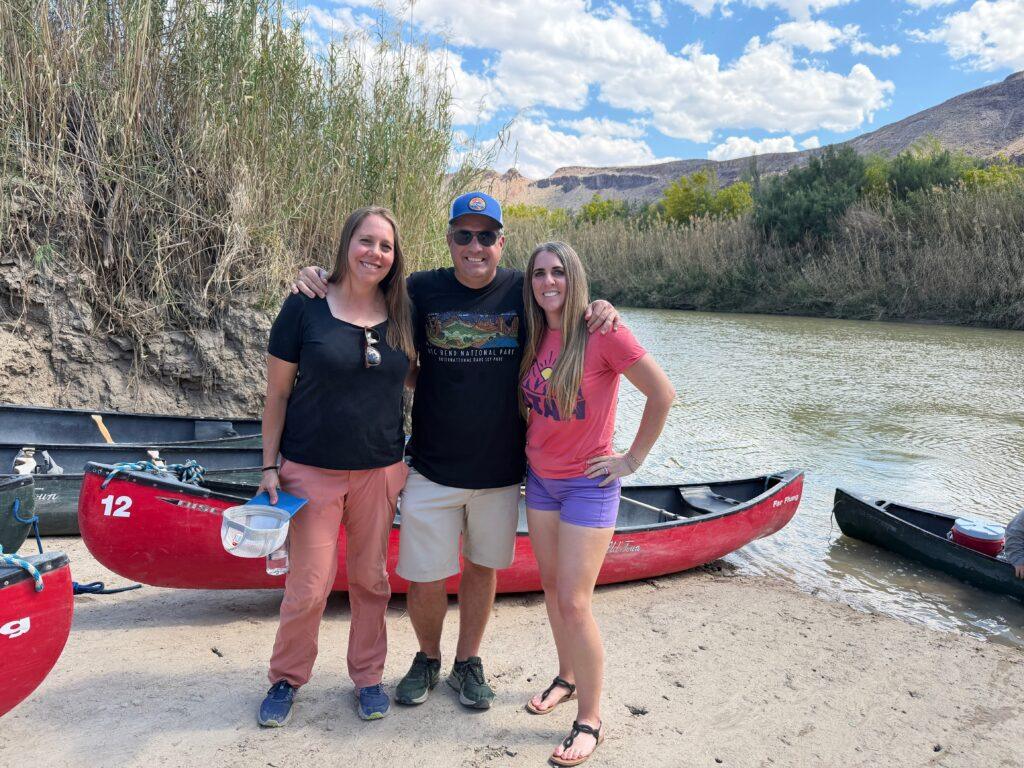
In the afternoon, we joined a guided canoe trip through Dark Canyon on the Rio Grande in Big Bend Ranch State Park (right next door to Big Bend National Park).
We went with Far Flung Outdoor Center, based in Terlingua, and they were terrific. We paid for this tour ourselves and get no compensation for recommending them. We are regular tourists sharing our experience.
Here are some things to know:
On the river, we saw:
The guides were patient and fun, taught us how to steer, and even hopped out to help in shallow “tricky” spots. At one point, we got out on the far bank, which meant we were technically standing in Mexico. We were super excited about that!
We loved this float. It was peaceful, warm, and gave us a different feel for the region.
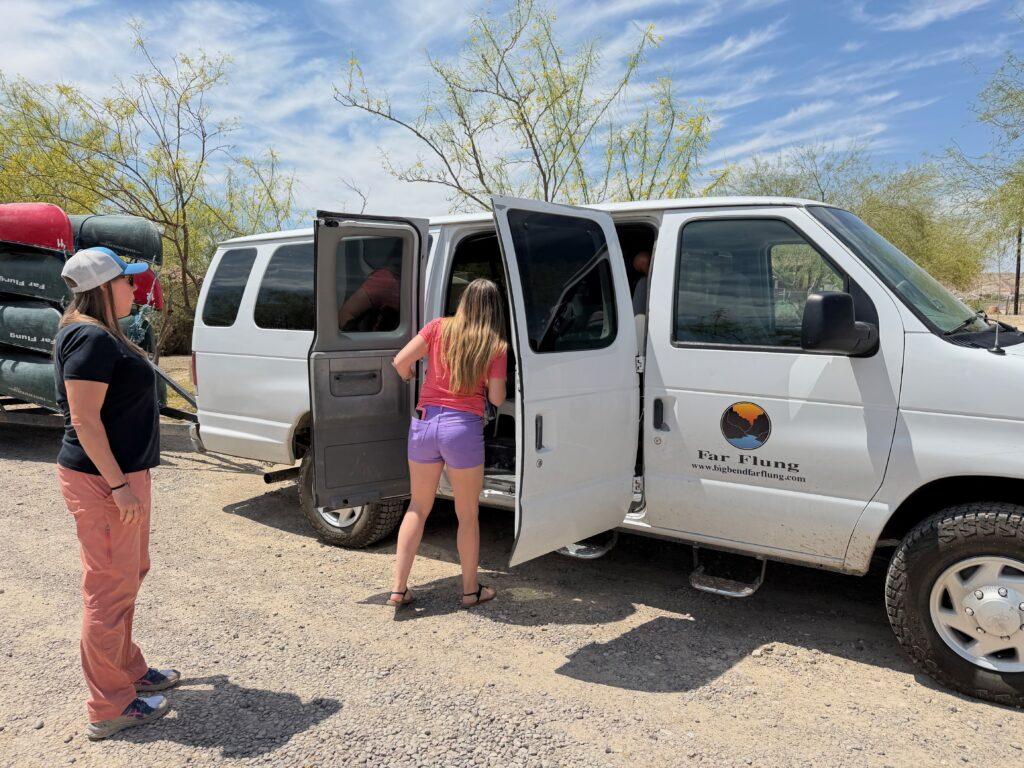
We went back to the Starlight Theatre for dinner again (yes, it was that good), then headed to a public star party in Terlingua that our river guide had told us about.
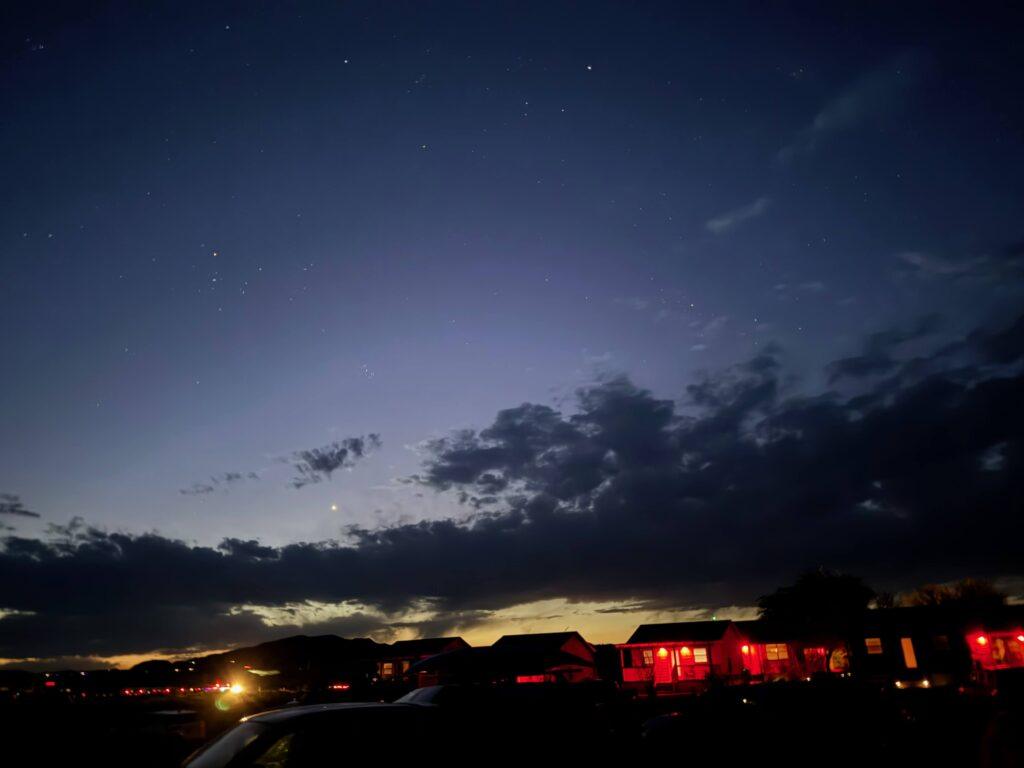
DID YOU KNOW? The area of Big Bend has one of the darkest night skies in the lower 48! Terlingua has light ordinances to keep the skies dark and is one of the best places around to stargaze.
The event was run by Astro Mucho and hosted at Far Flung Outdoor Center. Although their events sometimes cost $25 per person, the night we went was free. There were around 20 high-powered telescopes set up, and the presenter was dynamite.
He used a laser pointer to show us the constellations. Something that really surprised us was that we could see satellites gliding across the sky.
When the presentation was over, we could look through the telescopes. I saw Jupiter and could even see a couple of its moons. It was fascinating and a real highlight for our group.
If you choose to go, bring:
If you have a third day and want to do something unique, this is where I’d spend it.
On the eastern side of the park, near Rio Grande Village, you can:
The real “bonus” experience is crossing into Boquillas del Carmen, a tiny Mexican village across the Rio Grande.
At the Boquillas Crossing Port of Entry:
Once in Boquillas del Carmen:
Most visitors spend 2–3 hours in Boquillas and then cross back.
CURRENT HOURS (as of early 2026):
The Boquillas Port of Entry is generally open Friday through Monday, 9:00 am – 4:00 pm.
This can change, so always confirm the latest schedule on the official Big Bend National Park website before you plan your day.
IMPORTANT TO KNOW:
We didn’t get to do this because we showed up on the wrong days of the week, and I wish we’d built our schedule around it.
However, the reviews online are a mixed bag. I think riding the burro is a great photo op, and it sounds cool to be able to say you rode a burro to Mexico. But some have said that the path is dusty and filled with manure and that Boquillas is a tourist trap. Use your own judgment on this one.
IMPORTANT: The border closes at a certain time every day. If you don’t cross it before that time, you will be sleeping in Mexico that night. Check hours and make sure you are back on time.
Driving & Roads
Cell Service & Time Zones
Food & Picnics
Heat & Sun
Dogs
We stayed in a simple vacation rental near Terlingua. It was fine, but nothing I’d strongly recommend by name.
For most visitors, I’d look at:
Yes, if you don’t mind a lot of driving.
Big Bend is long drives, quiet trails, raw desert, quirky border towns, and some of the best dark skies you’ll ever see. It doesn’t feel polished or touristy, and that’s exactly the charm.
Give it 2 solid days for the park itself, and if you can, add the bonus day to cross into Boquillas del Carmen.
If you really want to do this trip right, make a road trip out of it and visit the Carlsbad Caverns, Guadalupe Mountains, and White Sands National Parks, too.
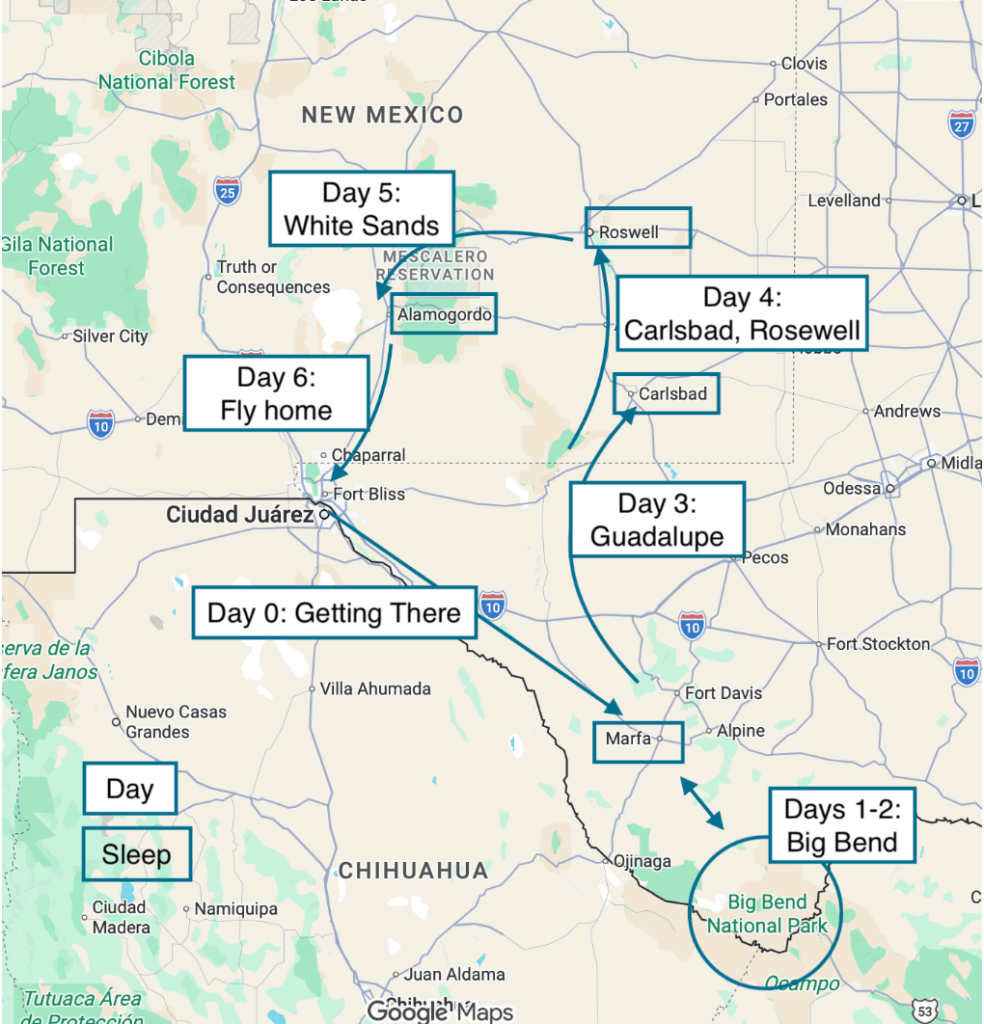
EPIC 7-Day Texas & New Mexico National Park Road Trip
One Day in Carlsbad Caverns National Park (+ Where to Eat and Stay)
How to Visit Chaco Culture National Historic Park: One Day Guide
One Perfect Day in Petrified Forest National Park
How to Visit the Four Corners: Perfect 7-Day Itinerary