Are you thinking about planning a trip to Yosemite and not sure when to plan it? Is there really a bad time to visit Yosemite? The answer is YES! Yosemite closes down almost everything for around 5-6 months a year and crowds are an absolute nightmare for another 2.5 months.
The best times of the year to visit Yosemite are the last week of May, the first week of June, and September/October. You can expect fewer crowds, beautiful colors, and cool weather. That being said, there are 6 main factors to consider when planning your trip to figure out the best time for you.
I’m Juliana, and I have lived in Yosemite for two summers and visited the park yearly since I was a kid. I have seen the park year-round and know it like the back of my hand. I’m super excited to share with you my favorite times of the year and give you some tips on how to choose the best time for your trip based on what you hope to accomplish.
Yosemite is incredibly massive and spread out. Within the park are 5 distinct areas, each with its own unique environment. This means that there is a wide variety of challenges and quirks for each one.
Make your trip planning EASY, avoid the crowds, and see places most people don’t know about
Inside the guide:
*Step-by-step plan that will take you to the best hikes, viewpoints, drives, and must-do stops
*Exact time frames and star ratings so you can make the best use of your time and money
*Best Friend Guarantee: Love it or get your money back
*Stay in the right spot with our area recommendations to reduce time driving and waiting in entrance lines
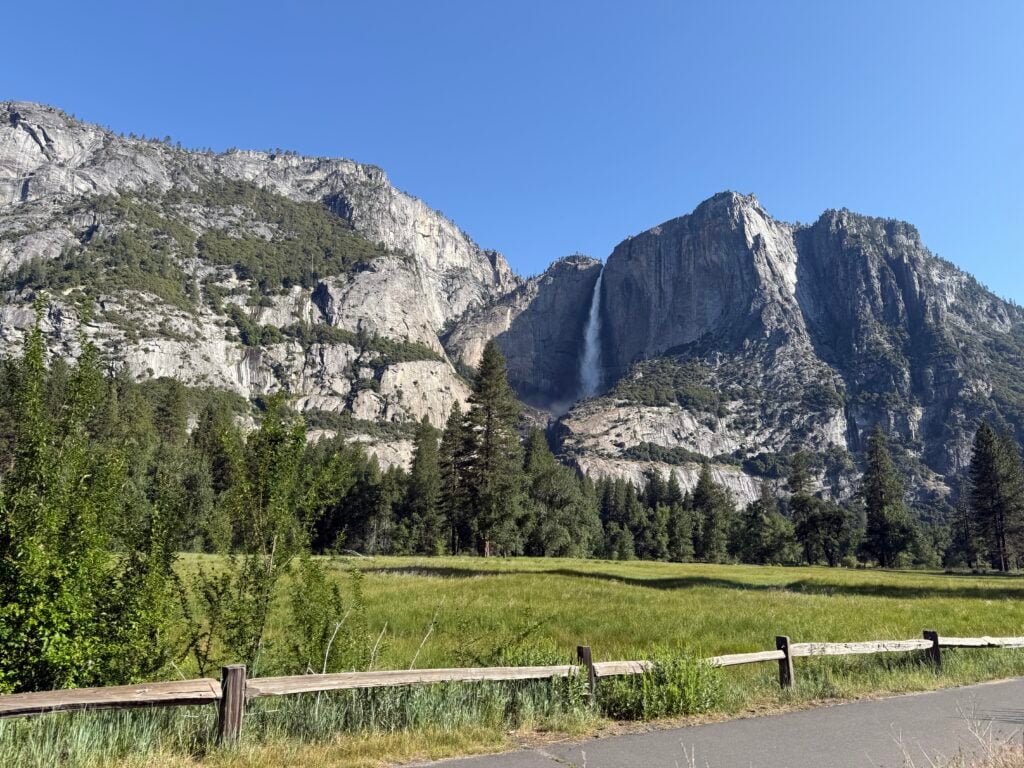
This is the most visited and iconic area of the park. Congestion and overcrowding affect this area more than anywhere else, which makes parking and hiking during peak season an absolute nightmare.
It is open year-round and the temperature stays pretty comfortable and consistent throughout the summer, no matter how hot it gets elsewhere. It does get very cold (by my Southern California standards) in the winter and often gets at least a few inches of snow each year.
CHECK OUT: How to See Yosemite Valley: One-Day Guide
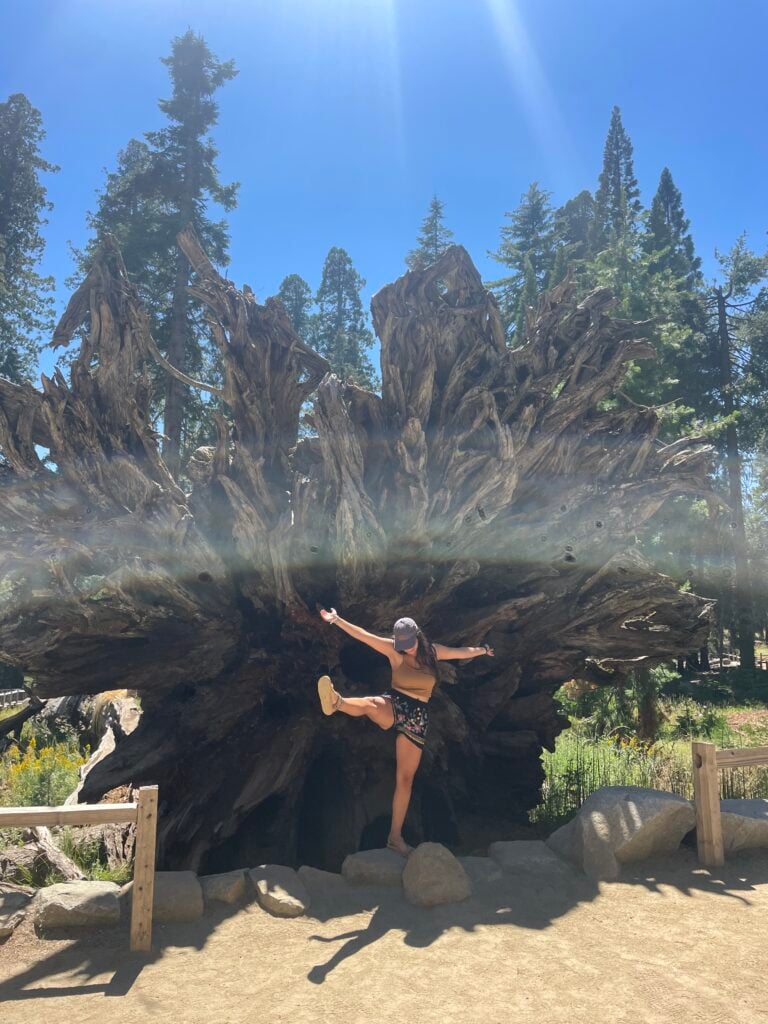
This area is home to Yosemite’s Giant Sequoia Grove. Wawona and Mariposa Grove are open year-round, but shuttles to the Grove (the main reason people visit) are not in service in winter. You can take a hike up to the Grove, but I would recommend skipping it for Kings Canyon/Sequoia National Park.
The elevation is about 1500-3000 feet higher than the Valley, so the temperature here usually reflects what you will find outside the park. That means it gets hotter in summer and colder in the winter.
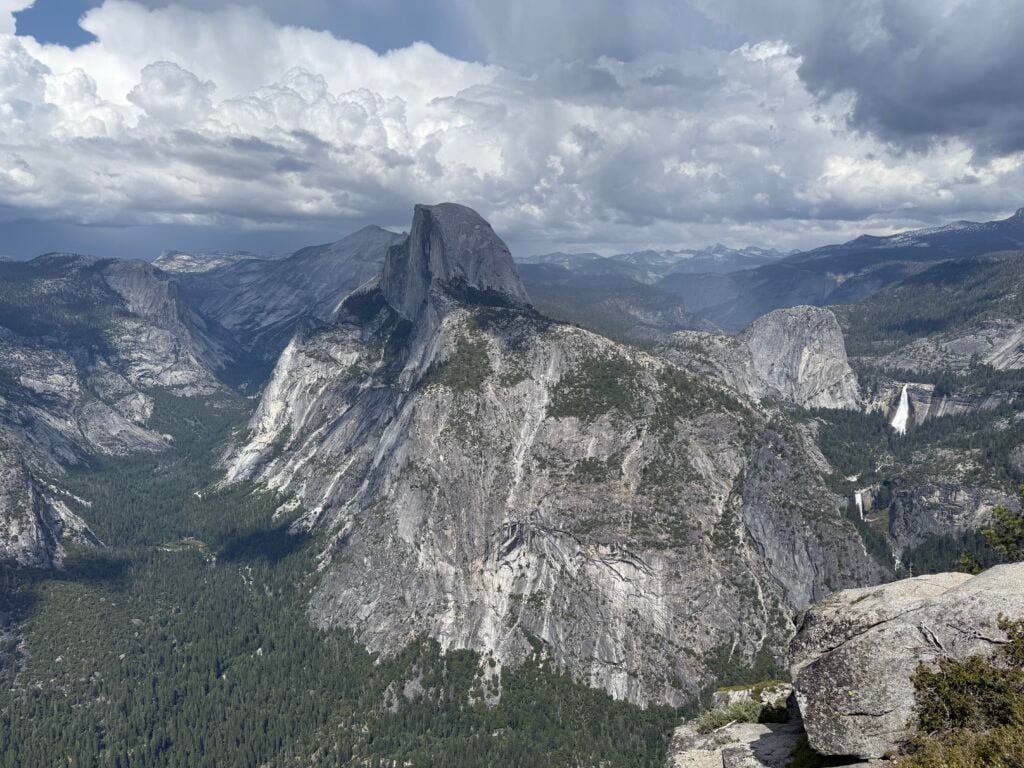
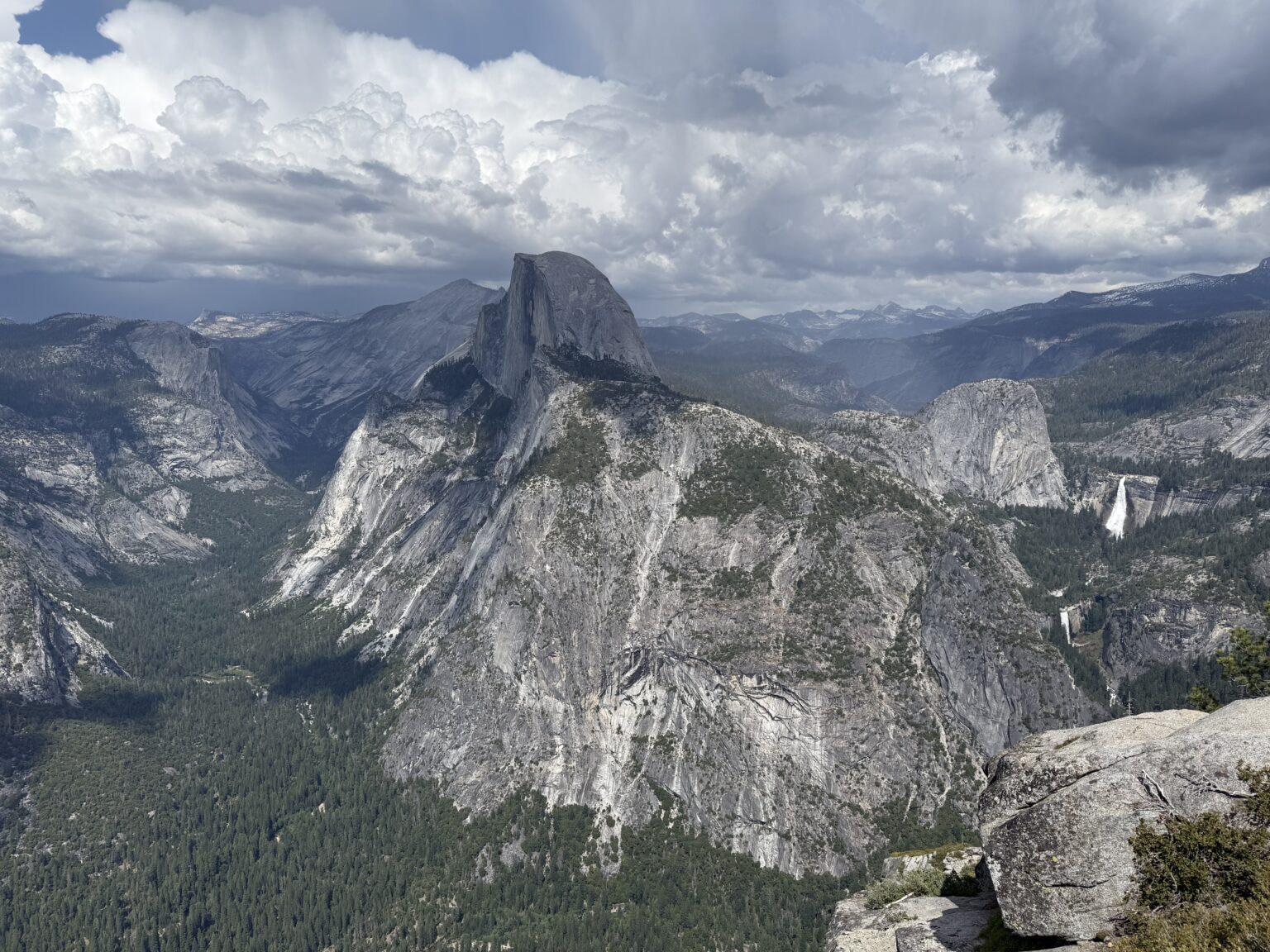
Glacier Point is halfway between Yosemite Valley and Wawona, but the elevation increases drastically. It gets a lot of snow in the winter, and the road closes from November to early May. The actual dates fluctuate each year based on snowfall. You can access Glacier Point in the winter by skiing 10.5 miles from Yosemite Ski and Snowboard Area, or hiking the 4-mile trail from the Valley (depending on how much snow is on the ground).
Temperatures are typically cooler here, and I cannot think of a single time I have felt too hot in this area (and I have been A LOT). The temperature definitely drops off at night and can be quite chilly for sunrise here.
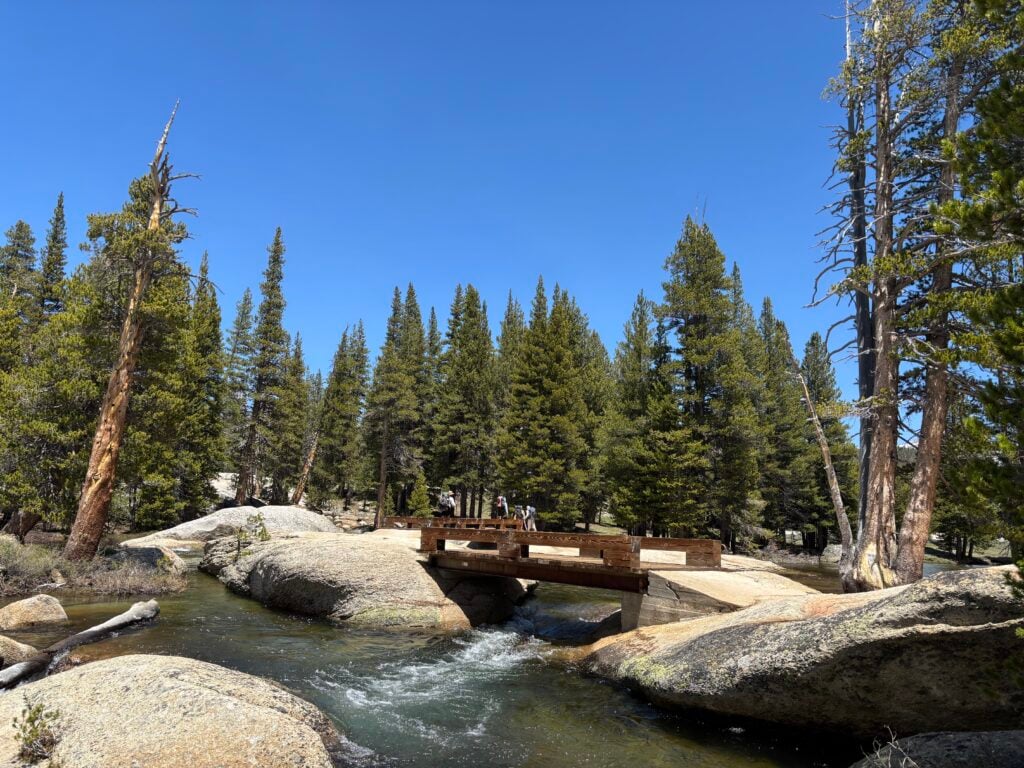
Tuolumne Meadows is Yosemite’s high Sierra area. This is much farther away from everything else in the park, located on the far east side. The main road that connects the east entrance (including Tuolumne Meadows) to the rest of the park is called Tioga Road. It is typically closed from October/November to late May each year, depending on snowfall.
Temperatures here are typically cooler in the summer, and obviously much colder in the winter. I would not worry about the heat too much here, aside from bringing some sunscreen.
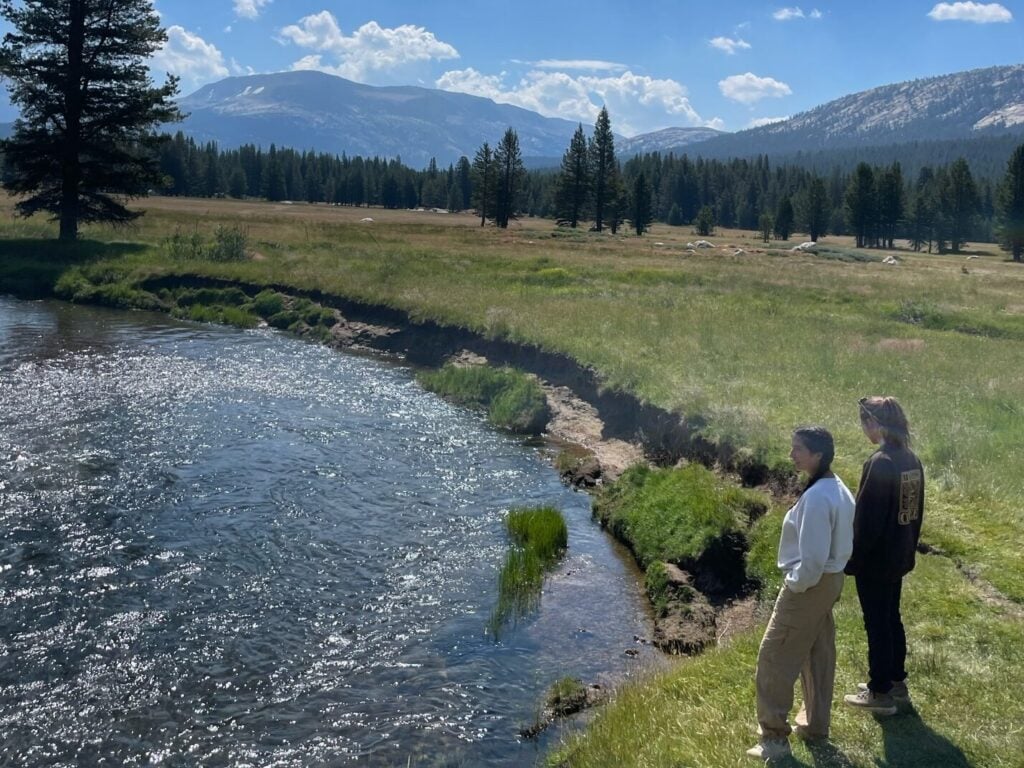
Hetch Hetchy is the least visited area of the park. This is because it was turned into a reservoir quite a few years ago. It is also not easily accessible via most of the park to begin with, but it does have a few nice hikes. It is open year-round, although the road may be occasionally closed due to recent, heavy snowfall.
Temperatures are relatively mild in the summer, and they drop significantly in the winter.
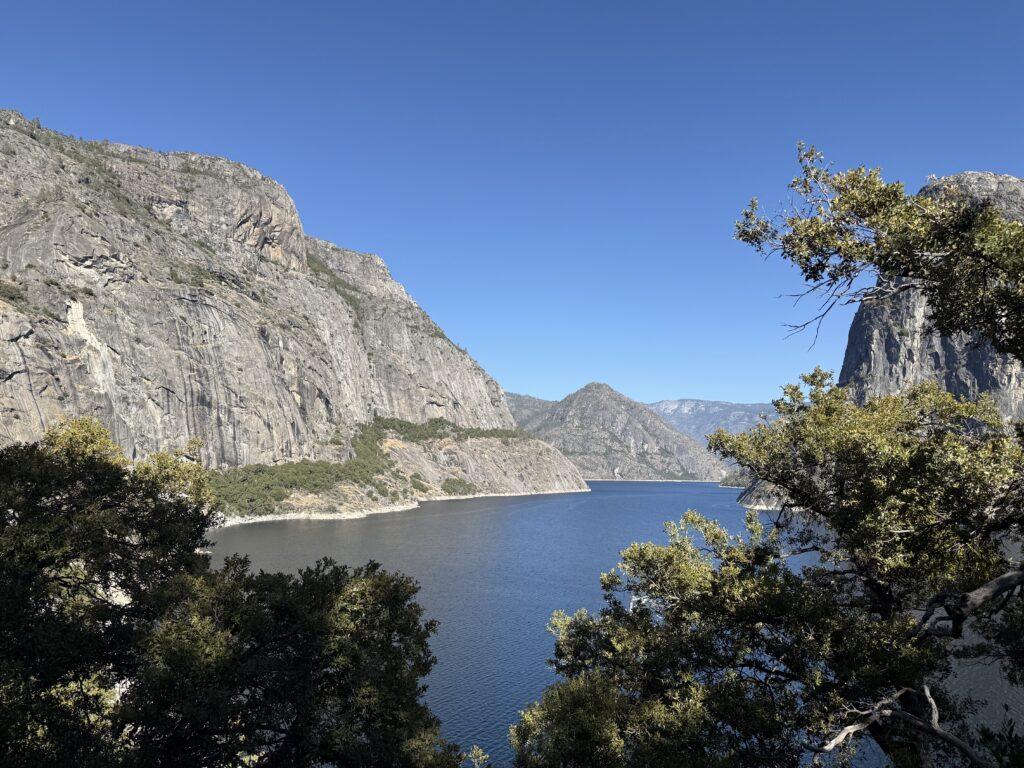
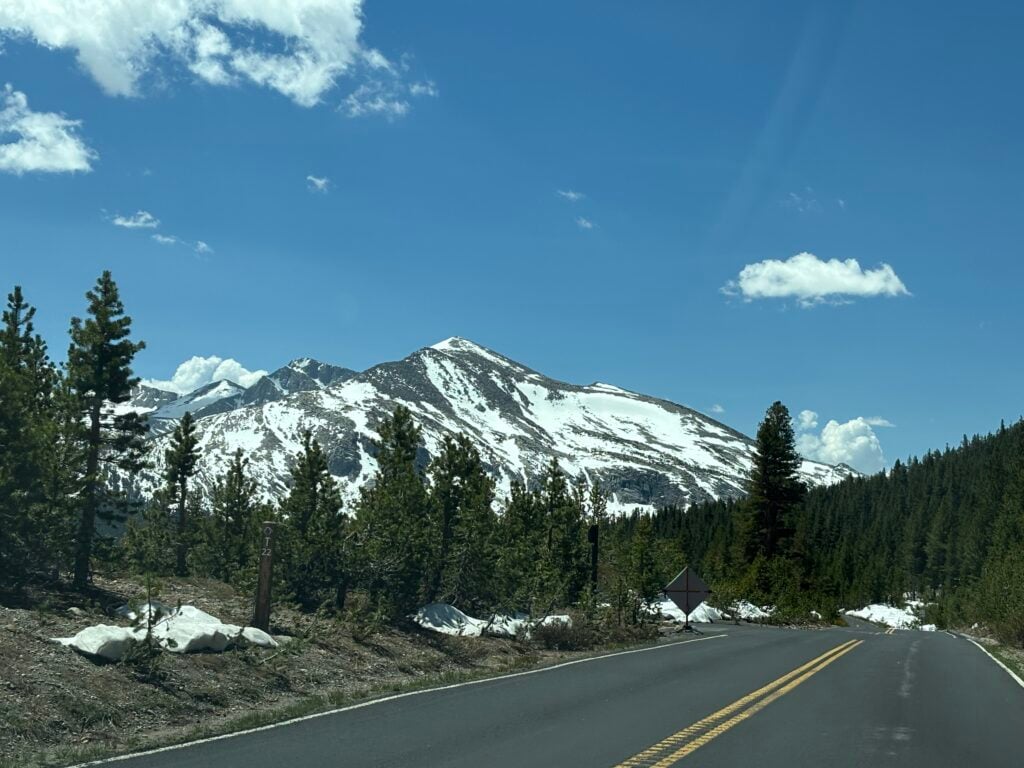
When planning a trip to Yosemite, this actually isn’t too big of an issue. Although the temperature fluctuates throughout the year, it always stays pretty mild within the park.
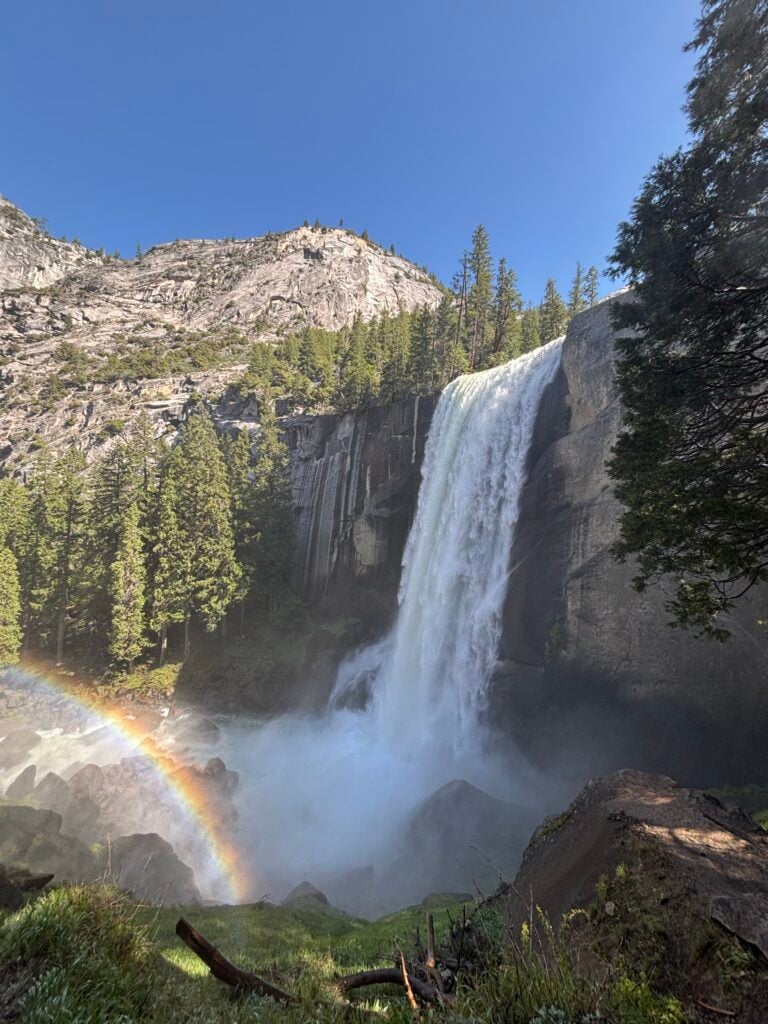
The absolute hottest it gets in the Valley is 89 degrees, but as long as you stay under the canopy of trees that covers the Valley Floor, it is still very pleasant.
If you choose to travel in the winter (which I highly discourage for other reasons), bringing a warm jacket and the right shoes is all you need.
Average High/Low Temperatures
| Location | Spring (April) | Summer (July) | Fall (October) | Winter (January) |
|---|---|---|---|---|
| Yosemite Valley | 63°F / 38°F | 89°F / 57°F | 71°F / 41°F | 48°F / 29°F |
| Wawona | 67°F / 37°F | 88°F / 54° | 72°F / 39°F | 52°F / 28°F |
| Glacier Point | 55°F / 32°F | 71°F / 44°F | 58°F / 34°F | 36°F / 21°F |
| Tuolumne Meadows | 50°F / 25°F | 70°F / 35°F | 56°F / 28°F | 40°F / 20°F |
| Hetch Hetchy | 61°F / 38°F | 84°F / 57°F | 68°F / 43°F | 47°F / 30°F |
But keep in mind, I say, inside the park. In many of the surrounding areas, like El Portal, Oakhurst, Bass Lake, and Mariposa, it can get extremely hot in the summer and cold in the winter.
I live in Bass Lake during the summer, and I can promise you that in July and August, we have more days above 95 degrees than not, and it does not cool down much in the evening.
This plays a massive part when considering what time of year you want to visit. Summer is the absolute worst time for this, as the Valley is massively overcrowded. I cannot understate this.
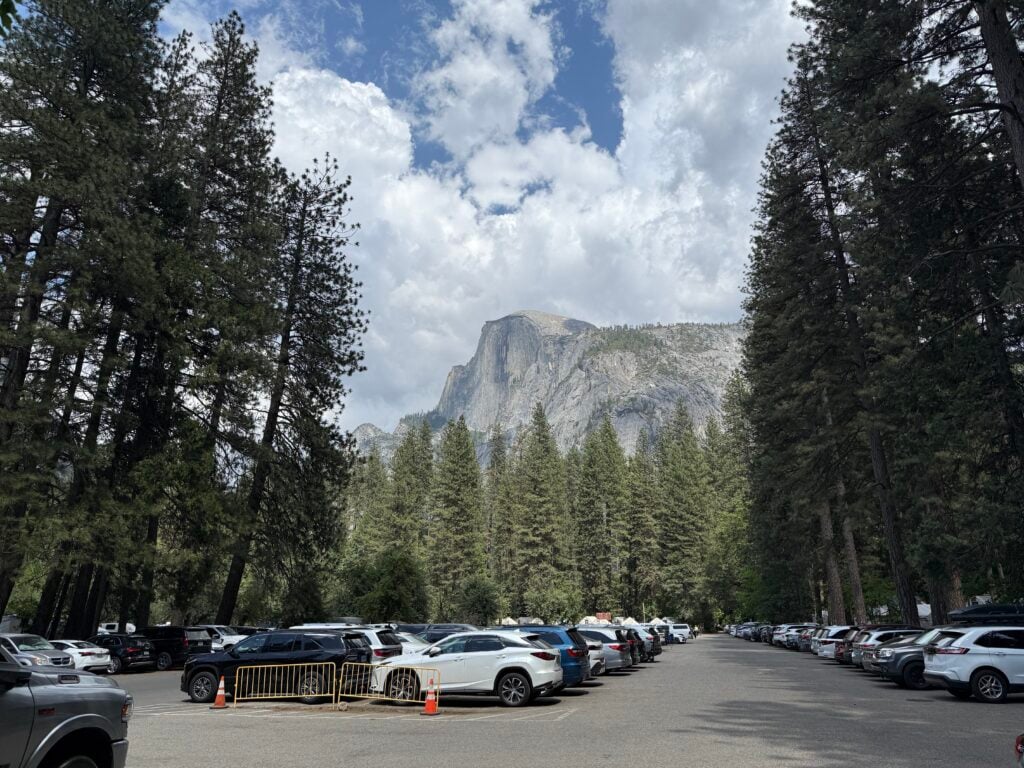
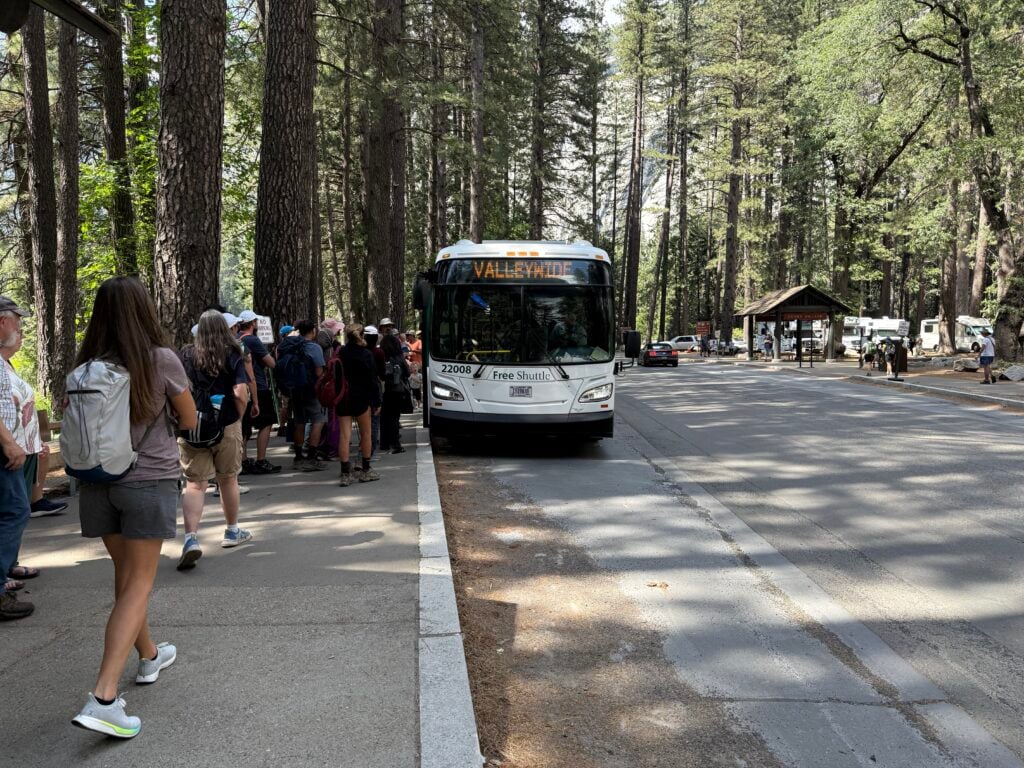
Parking is extremely limited and one of the main issues in the park. During late May to August, you can easily circle any lot for over an hour with no luck within the Valley. There are no convenient shuttles from other areas of the park, so you are pretty much forced to find a spot or explore a different area of the park.
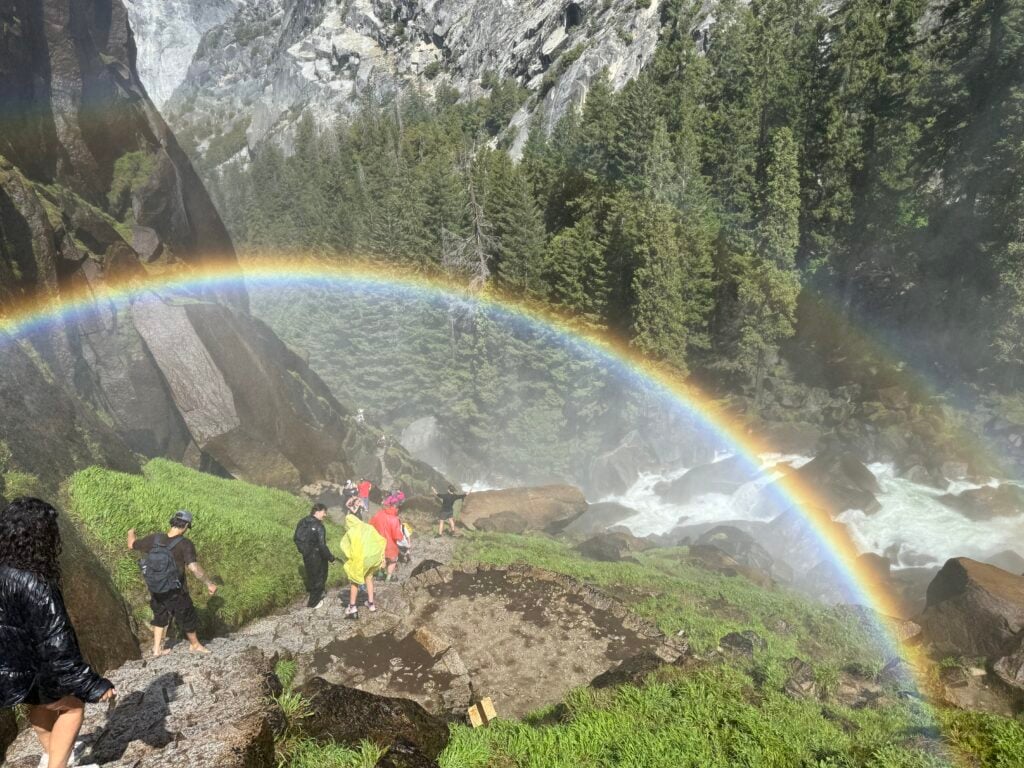
Be prepared to wait in long lines to enter the park, find parking, get food(or anything else), and on hikes. A few times that I have attempted the Mist Trail during the summer, there were so many people going up and down that I genuinely felt claustrophobic. There was literally nowhere to move to.
This is mainly an issue inside the Valley, but you cannot go to Yosemite and not see the Valley. The rest of the park has smaller issues with parking, but does not have a massive overcrowding issue.
If you want to enjoy Yosemite without tons of crowds and waiting in line, going in the shoulder months of April/early May or September/October is ideal. You will definitely not be alone in the park, but you should have a lot more room to roam and get some peace and quiet.
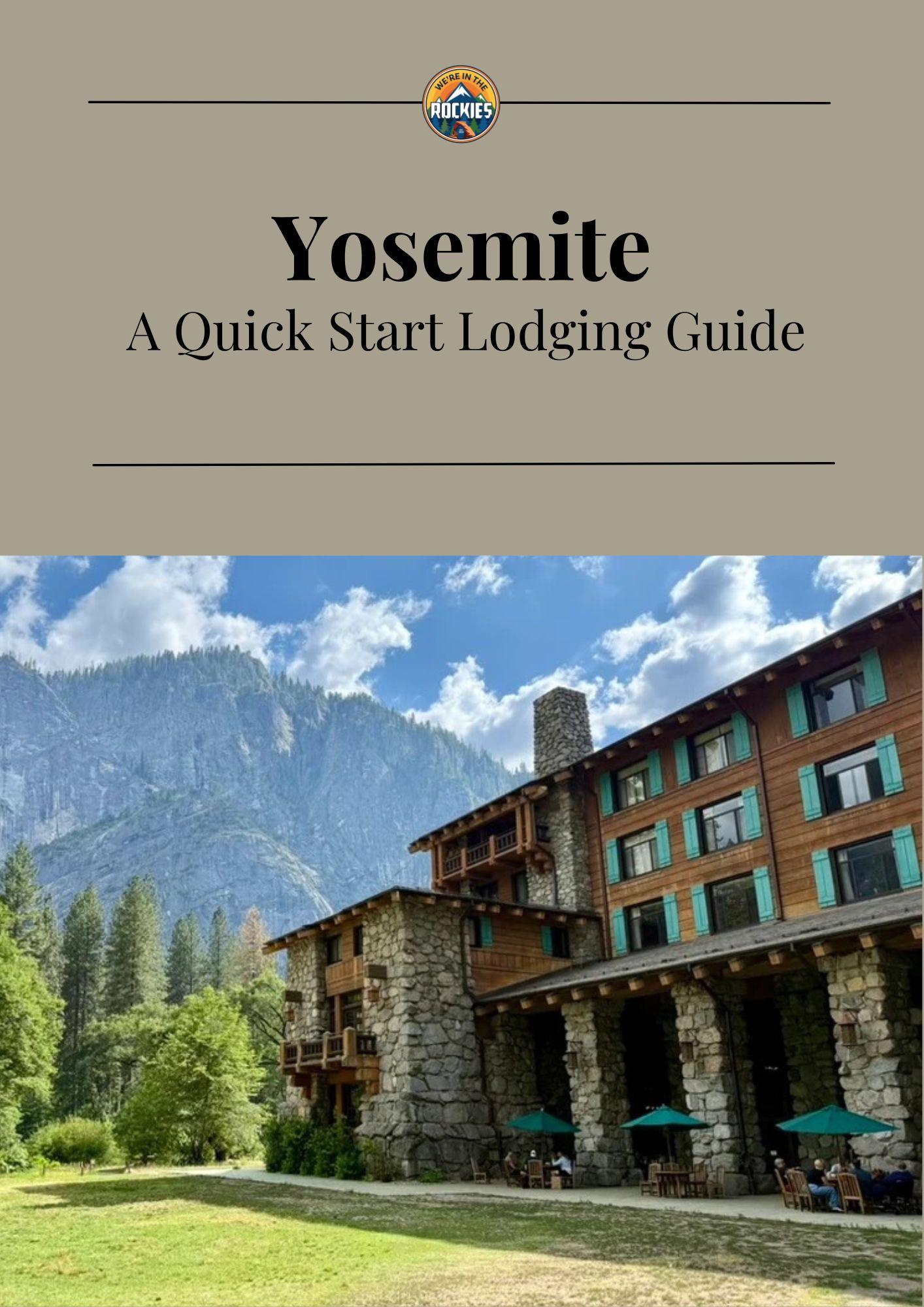
See Yosemite Valley and the main gateway towns side‑by‑side so you can choose the best home base in minutes.
Inside the guide:
*Simple maps + real drive times between the main park sites and the main gateway towns so you know how long it really takes to get around.
*Clear “stay here if…” guidance to match each area to your budget, driving tolerance, and must‑see sights.
*Yosemite 101 tips on the best months to visit, entrance lines, shuttles, parking, cell service, and food so you can avoid common first‑timer mistakes.
Trusted by 27,000+ travelers who used our guides to plan national park trips.
Pretty much everybody visits the Valley, but not everyone sees the rest of the park. It can take anywhere from 3 days to a week to see every area in the park, and depending on how long you have, plus what you want to see, it can make a big difference.
If you intend to see all of the park or are coming from the Tioga Pass entrance on the east side, picking dates from June to October is necessary.
If you don’t want to venture to Tuolumne Meadows but want to check out Glacier Point, you can expand your date range to anytime between May and November.
For those who just want to enjoy the Valley and all that it has to offer, you can theoretically pick any time of year.
My family and I used to visit Yosemite Valley and Mariposa Grove in late November for a nice change of scenery and lack of crowds. Besides being cold, my only complaint was that the days were short and the sun set early, so keep that in mind. But if you like the cold and are set on only seeing the Valley and/or Mariposa Grove, November, early December, March, and April are definitely doable.
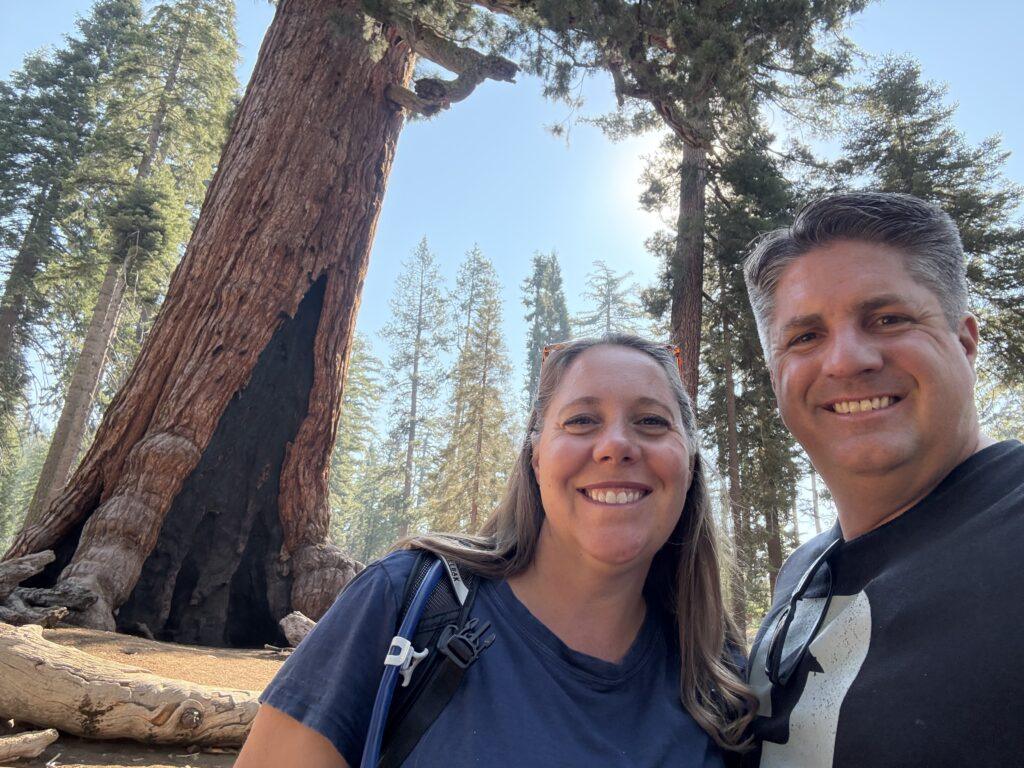
There are a lot of different places you can go from Yosemite. I like to add it to my California road trip with Kings Canyon/Sequoia National Parks, along with driving down the coast and a few other national parks if I have the time. This can be done pretty much anytime of the year, but is especially nice in late Spring, I’ve found.
Depending on your comfort level and ability to drive in the snow, there isn’t really a bad time to visit most of the surrounding National Parks in the area.
I would avoid Death Valley from April to October due to the extreme weather, as well as Joshua Tree during the day during those months.
If you are doing a larger road trip coming from the East, keep in mind the other places you want to hit and what time of year is best to visit.
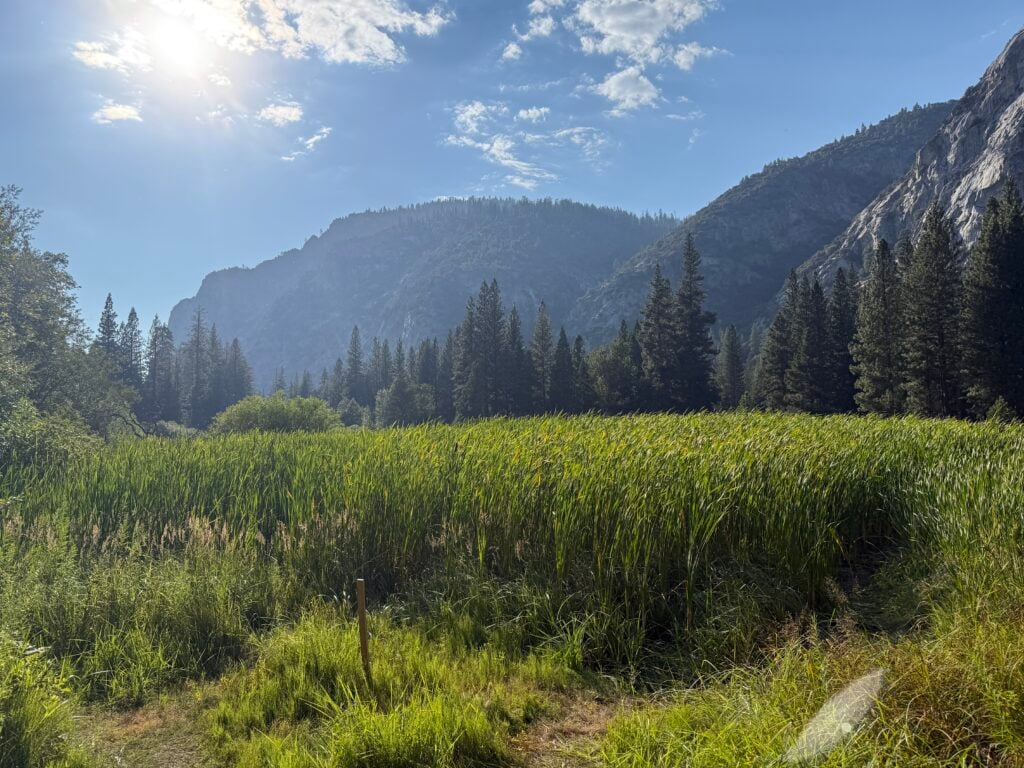
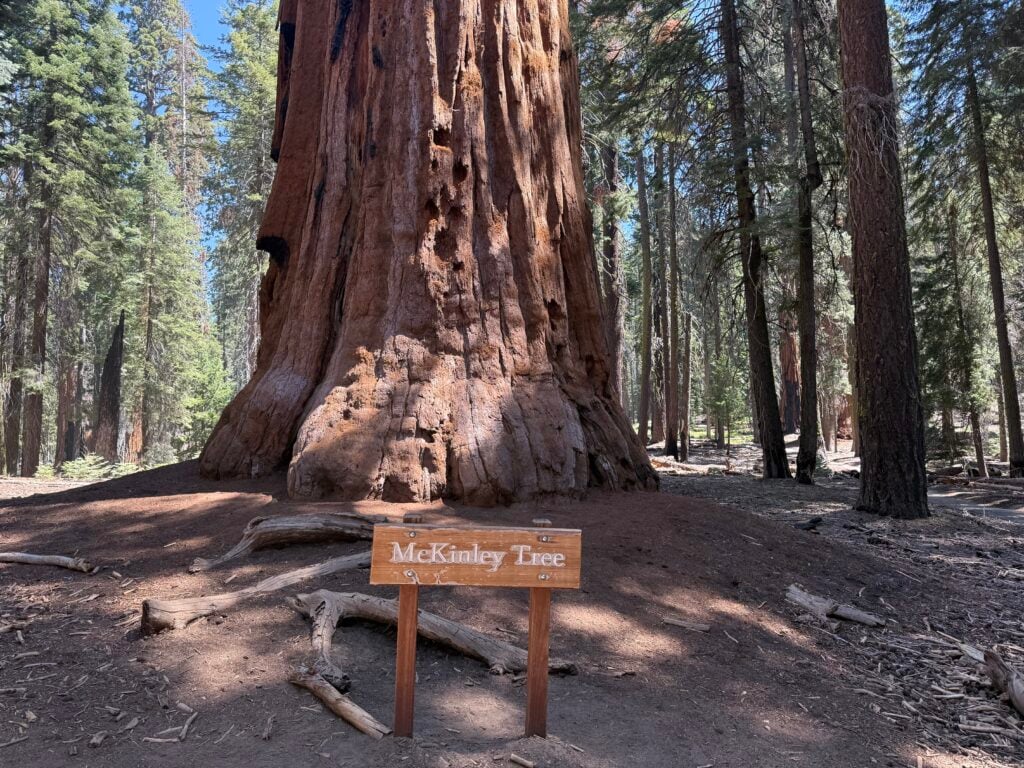
There is a lot to see and do around Yosemite, but most areas of the park and activities outside of hiking are not available year-round. The temperatures drop drastically, and the number of visitors plummets compared to summer.
Glacier Point and Tuolumne Meadows close throughout winter and spring, as does the East entrance. Restaurants, most grocery stores, flush toilets, water fountains, campgrounds, and pretty much anything non-essential will close in areas in and around the park during this time, too.
A few restaurants will stay open in Yosemite Valley, El Portal, and Fish Camp, but it will be harder to come by them than in the summertime.
Activities get hit pretty hard, too. Ranger programs are still active, but have shrunk in size significantly. Biking, hiking, and rock climbing become much harder to do after storms or when it doesn’t warm up enough.
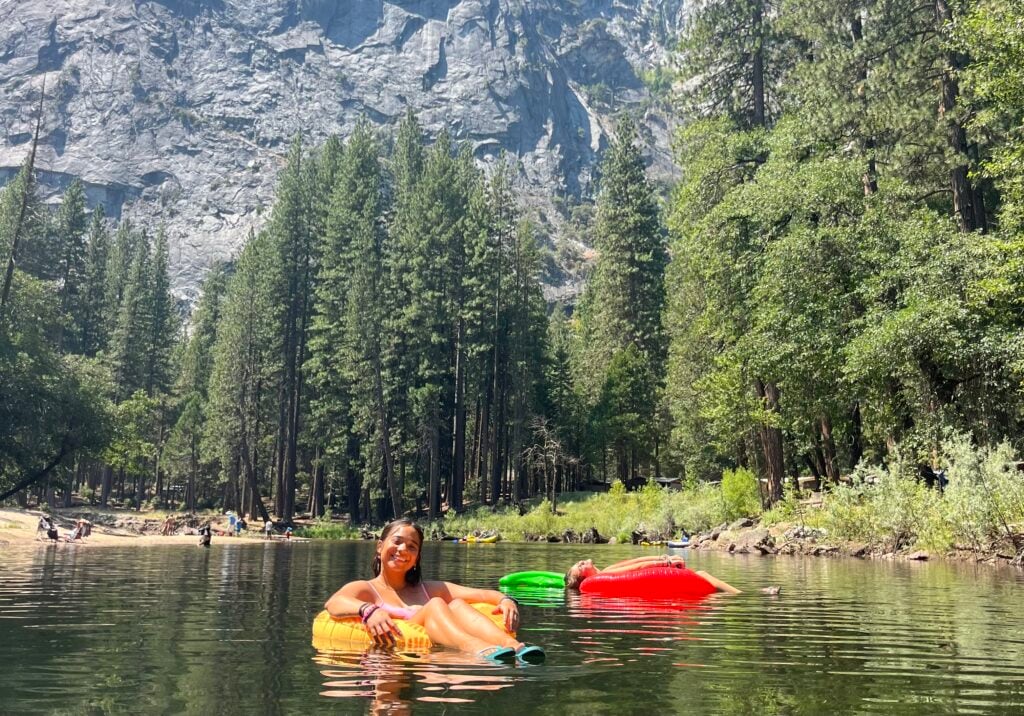
Some other activities, like horseback riding, floating the Merced, or riding on the Sugar Pine Railroad, are completely unavailable during the spring and winter. Check out the chart below to see what activities are available throughout the year.
DISCOVER: 7 CAN’T MISS Hikes in Yosemite National Park
| Activity | Best Season | Off-Season Options | Key Info |
| Floating the Merced | Late May – August | N/A | Conditions vary with snowmelt; check river safety updates. |
| Sugar Pine Railroad | May – October | N/A | Historic steam train south of Wawona; great for kids |
| Rock Climbing | Year Round | Limited options with snow/ice | |
| Biking | Spring – Fall | Limited – icy paths | 12 miles of biking paths; summer rentals available |
| Horseback Riding | Spring – Fall | N/A | |
| Fishing | Apr–Nov | Offered in Mariposa, not inside the park | CA Fish & Wildlife permits necessary |
| Swimming | Summer | N/A | Water is always very cold |
| Skydiving | Year Round | Limited by weather | Offered in Mariposa; not inside the park |
| Skiing/Snowboarding | Dec – Mar | N/A | Badger Pass Ski Area is Yosemite’s only ski resort |
Only the areas of Yosemite Valley, Hetch Hetchy, and Wawona are open 365 days a year. In those areas, hiking is available year-round, along with any activity you can self-sustain (like biking if you bring your own bikes, or photography if you bring your own camera).
If you like to do a wide variety of activities, explore a majority (or all) of the park, or prefer warmer weather, consider choosing a stay between May and October.
GOOD TO KNOW: Shuttles within Yosemite Valley are operational year-round, but parking is not an issue from November to January and March, so typically you can just park at the trailheads during those months.
This is pretty standard everywhere, but it is cheaper to stay in/around Yosemite during the low season. The low season is anywhere from late November to early May, excluding major holidays.
During peak season, it is nearly impossible to find a hotel room going for less than ~$200 a night (and believe me, I looked). It goes down to around $150 a night during low season.
I would not recommend booking the low season just to save money. Staying in Oakhurst or Mariposa in late spring or fall will allow you to stay more on a budget and get a much better experience of Yosemite, especially if this is your first or only time seeing it.
DON’T MISS: Where to Stay When Visiting Yosemite: The Complete Guide (Inside and Outside the Park)
Get our done‑for‑you, 7-9-day route with exact drives, maps, and must‑see stops so you don’t waste time in traffic or miss the best views.
Inside the guide:
*Day‑by‑day plan for Yosemite, Sequoia & Kings Canyon, including the best hikes, drives, and sites
*Details You Need: including time frames, driving routes, and where to sleep each night to reduce backtracking
*Best Friend Guarantee: Love it or get your money back
| Enjoys Fewer Crowds | Check Out All Areas of the Park | Coming from The East | Camping | Activities Other Than Hiking | Most Stores & Restaurants Open | |
|---|---|---|---|---|---|---|
| November – April | x | |||||
| May | x | x | x | x | ||
| June – August | x | x | x | x | x | |
| Sep – Oct | x | x | x | x | x | x |
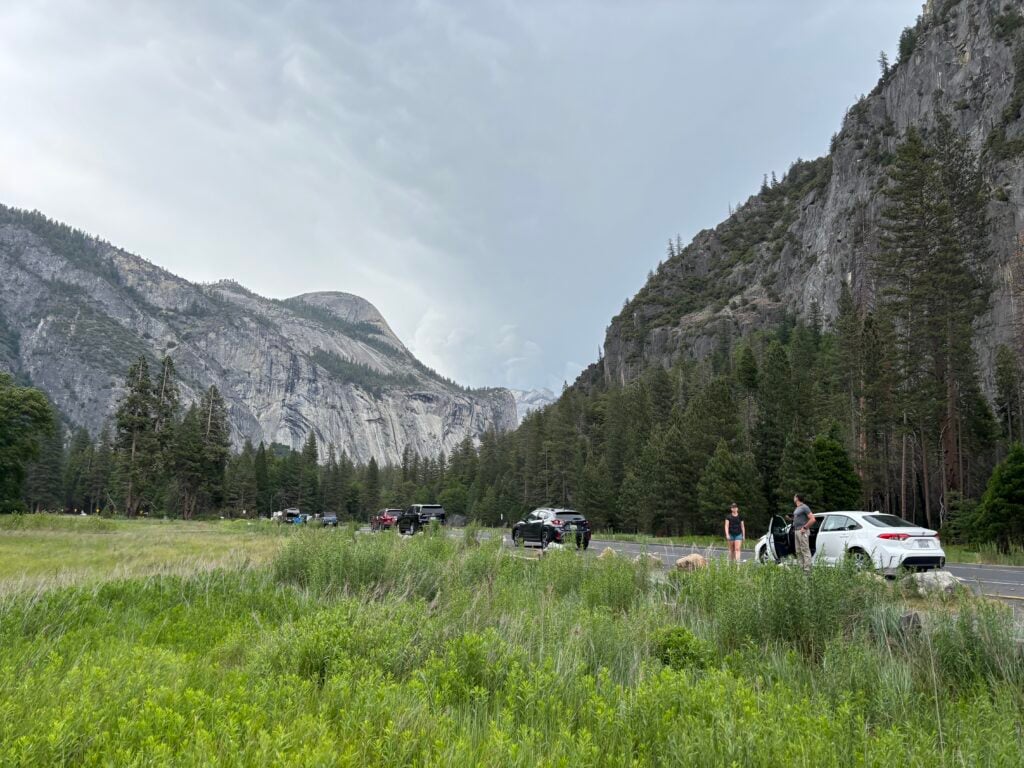
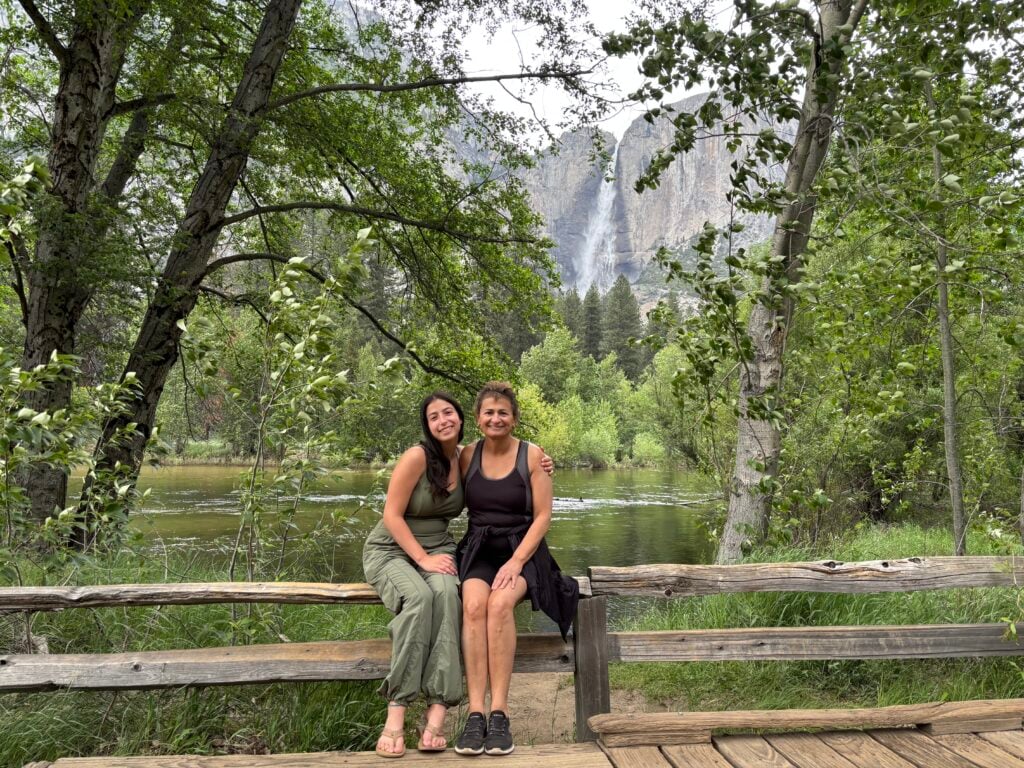
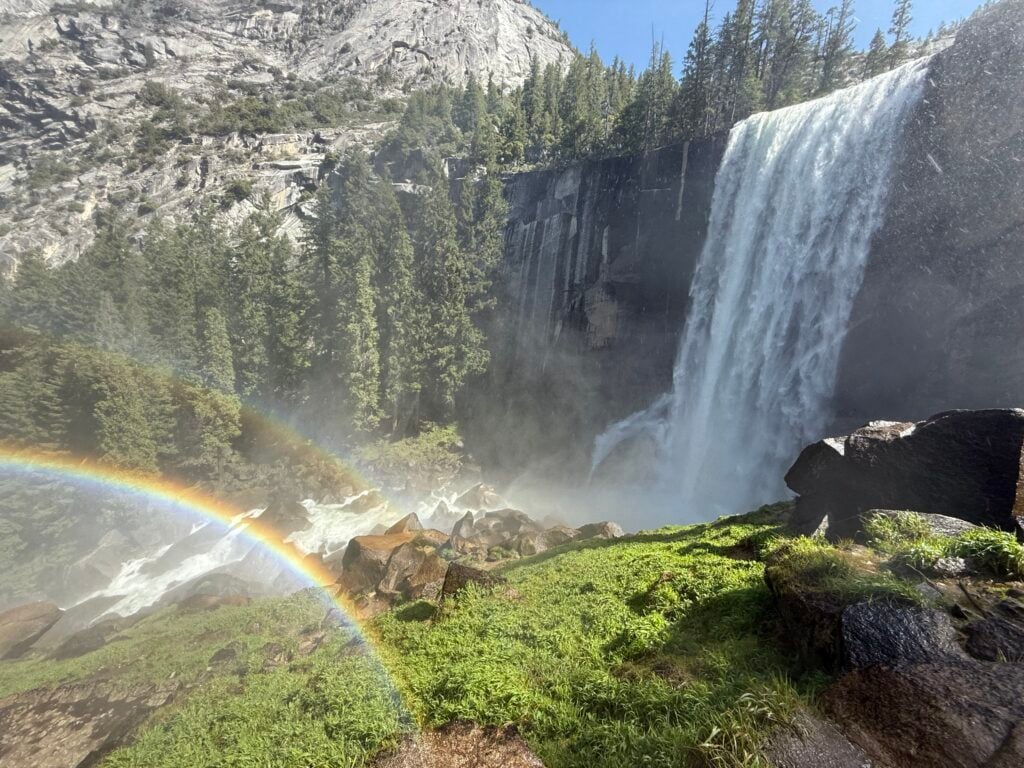
I personally love visiting during the last week of May and the first week of June. The waterfalls are insane and everything is in bloom, all without crazy crowds or long lines. Tuolumne Meadows is sometimes open, but I think the grandeur of the Valley outweighs it, even if it is still closed.
Whatever time of year you choose to visit Yosemite, you are guaranteed to have a great time. The weather changes, crowds come and go, but Yosemite will always have its beauty and charm year-round.
Plan Your Yosemite Trip
🏨 Our Hotel Picks
🚗 Rental Cars
Need a rental car for your trip? Compare prices here.
📚 Helpful Guides
What Is the Best Entrance to Yosemite? Yosemite’s 5 Entrances
💡 A Few Tips Before You Visit
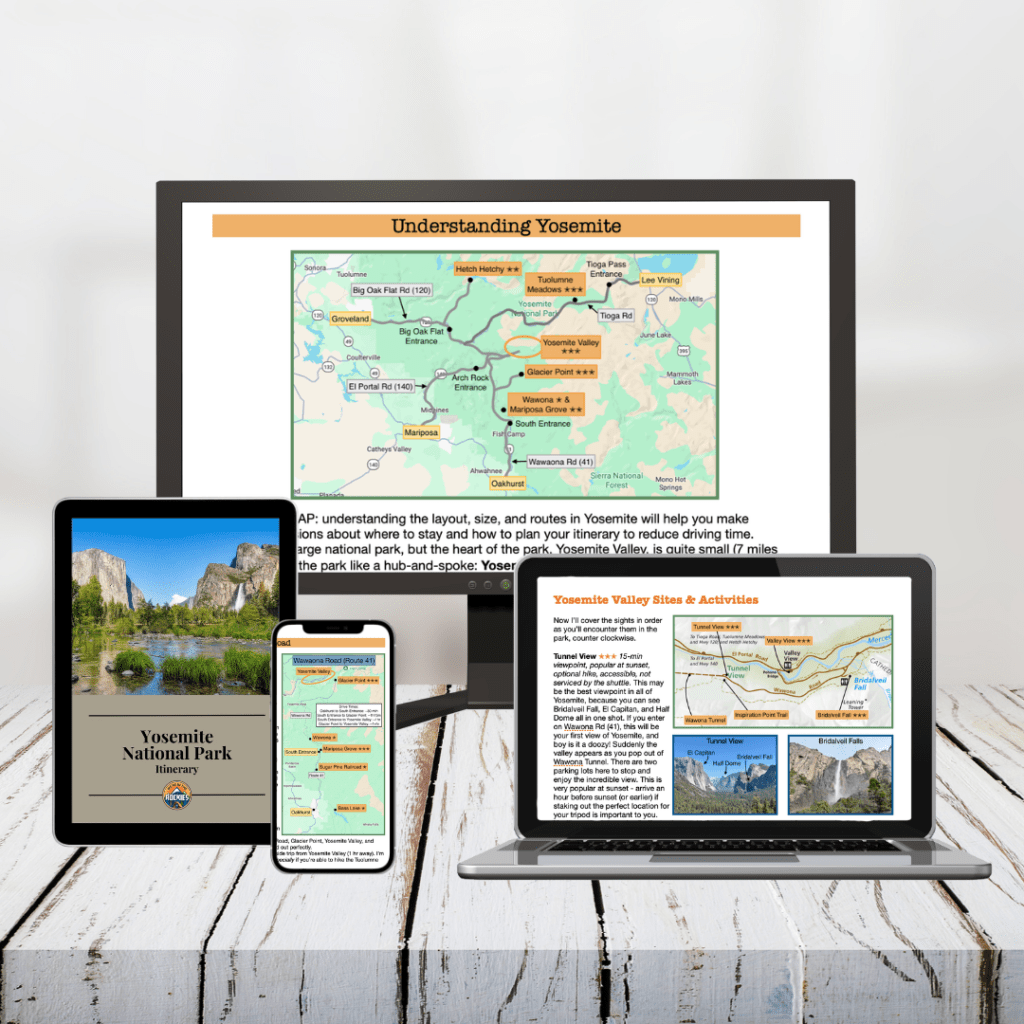
We’ve written a step-by-step guide for visiting Yosemite National Park. This guide contains 49 pages, including over 70 maps, charts, and images to keep you on course. We provide you with a 4-day itinerary featuring the best areas, waterfalls, hikes, scenic drives, and dining recommendations.
YOSEMITE TRIP PLANNER: To read or watch all of our content about Yosemite National Park, check out our Yosemite Homepage.
THINGS TO DO: Don’t miss all that Yosemite has to offer, including hiking, things to do in Yosemite Valley, and floating the Merced River.
WHERE TO EAT: Don’t miss the best places to eat in Yosemite National Park
WHERE TO STAY: Learn all you need to know about where to stay inside and outside the park
KNOW BEFORE YOU GO: Find out how to get there, the best time to visit, which is the best entrance, and all about driving around Yosemite.