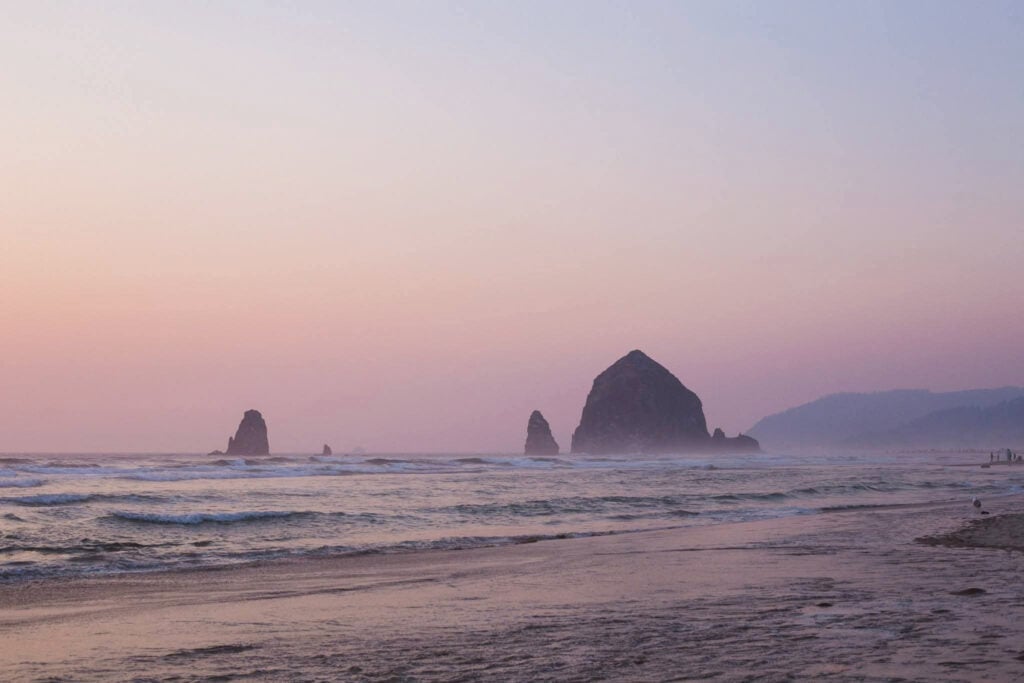
Driving Highway 101 along the Oregon Coast has become a bucket list item for many travelers. People from all over the world are pulled in by the rugged landscape, slower way of life, and coastal towns with incredible sunsets.
Trying to figure out how to travel Highway 101 along the Oregon Coast can be a challenge, especially if you’ve never visited the area before. In this article, I’ll tell you my top 10 things you need to know before driving the Oregon Coast, including what the drive is like, how to get around, and the best season to visit.
I’ve been traveling along Highway 101 for years, falling deeper in love with the coast on every visit. I’ve made the drive during every season and have learned a lot along the way.
DON’T MISS: 13 Absolute Best Things To Do On Your Oregon Coast Road Trip (+ Where to Eat)
Get our done‑for‑you, 5-7 day plan with exact drives and must‑see stops so you don’t waste time in traffic or miss the best views
Inside the guide:
*Step-by-step plan that will take you to the best beaches, coastal towns, activities, and seafood
*Exact time frames and star-ratings so you can make the best use of your time and money
*Best Friend Guarantee: Love it or get your money back
*Visiting more in the PNW? Save big $ and get guides for Olympic, Mount Rainier, the Oregon Coast, and the Columbia River Gorge with our PNW Bundle.

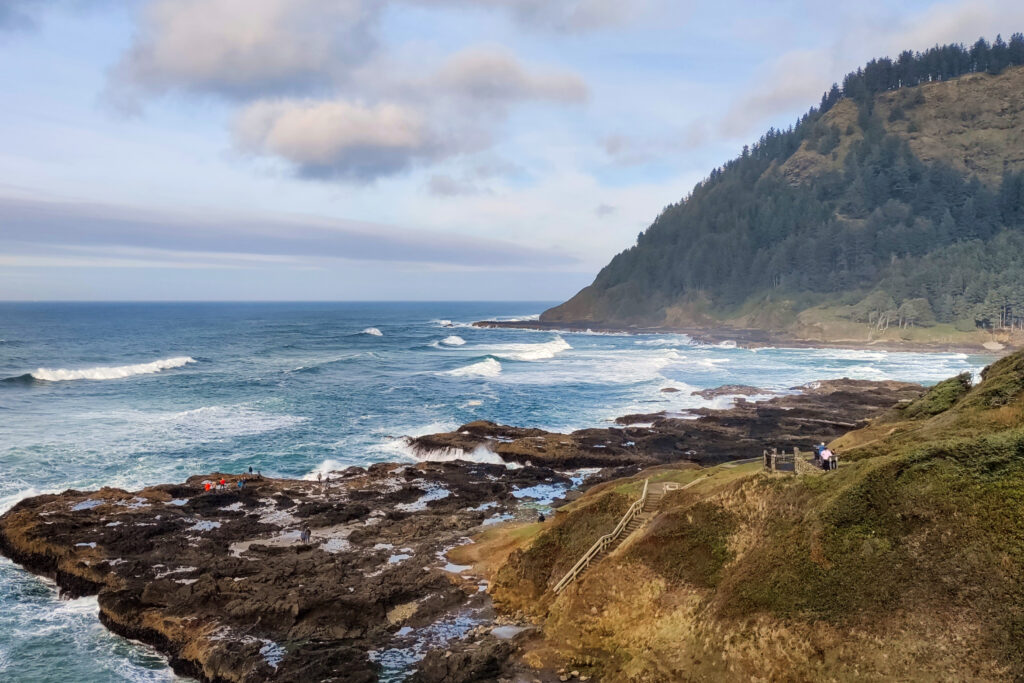
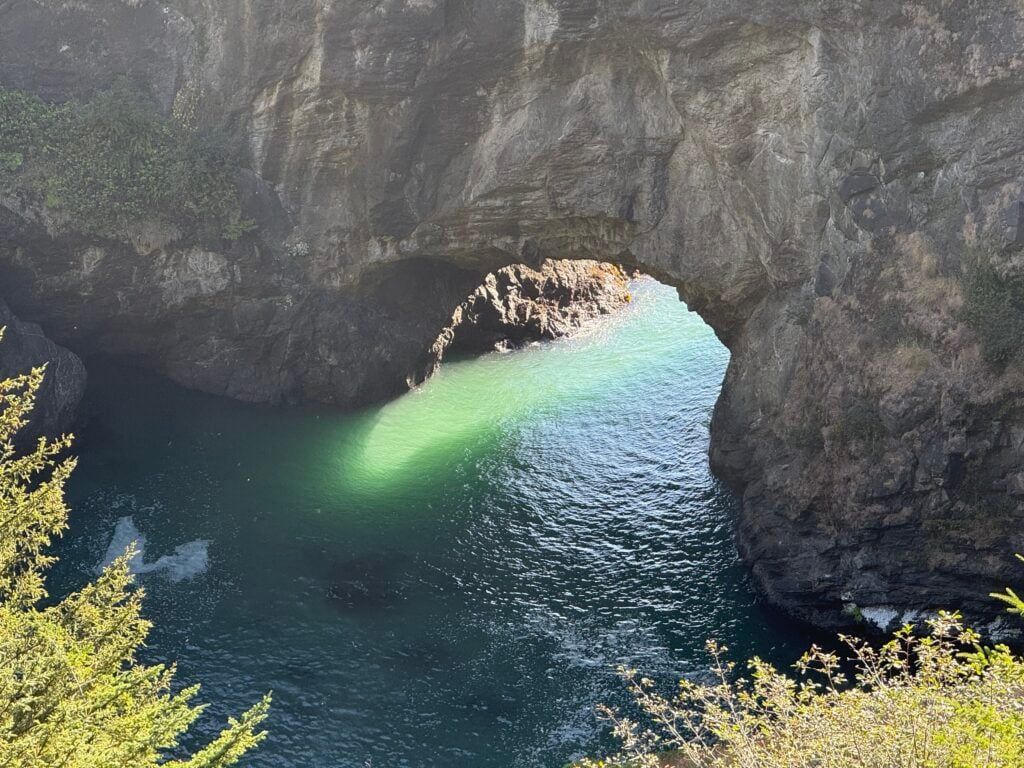
Highway 101 on the Oregon Coast can be reached via a variety of access points. There are several roads leading from I-5 to the coastline. If you’re planning on driving the entirety of the Oregon Coast, you’ll likely arrive by driving through California or Washington. This gives you the most straightforward route to driving the coast without being spit out in the middle of the drive.
Astoria and Brookings are the towns at either end of the coast. Brookings is the southernmost point on the Oregon Coast. This area is known for its sunny coastline with dramatic cliff sides. It is 2 hours from I-5. The nearest point to access Brookings from I-5 is by taking the exit in Josephine County. This route will take you into California before merging with Highway 101, just north of Crescent City. If you are traveling to the Oregon Coast from California, it can be combined with a longer drive along the Pacific Coast Highway.
Astoria is the northernmost point along the Oregon Coast. Astoria is a quirky, historic town known for having one of the longest bridges in the U.S. The drive is about an hour from I-5 to the coast via Kelso, Washington. If you are driving along Highway 101 on the Washington Coast, then you will follow that route down to Astoria.
There are other access points through Oregon if you are making the drive from the middle of the state. Portland is a popular turn-off point to access the coast. An hour and a half drive leads you to Tillamook, which is on the northern part of the coastal drive. Tillamook is about 1.5 hours south of Astoria and about 6 hours from Brookings.
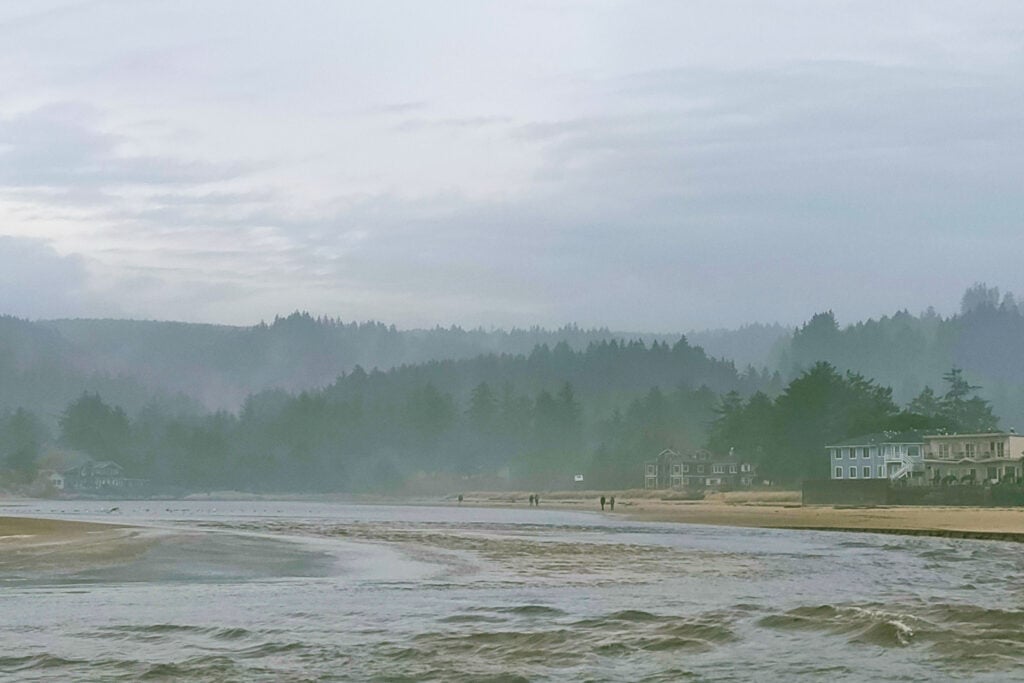
The drive from Brookings to Astoria is about 7.5 hours, or 340 miles. This is if you make no stops along the way. This calculation doesn’t take into consideration any road work or real-time traffic along the route.
The best way to experience the coast is to plan on spending a few days on the drive. This way, you can stop and explore the small towns and admire the natural beauty that this area has to offer. I recommend allowing at least 3 days if you are driving the entirety of the Oregon Coast. This lets you dive deeper into the land. You can visit the historic lighthouses, go for hikes, or try the local cuisine.
There are several small towns along the Oregon Coast with gas stations. The longest stretch without gas is about 30 miles. The best places to fuel up are Brookings, Lincoln City, Tillamook, and Astoria. These places have several stations to choose from and are cheaper than some of the smaller towns that you’ll pass through.
If you are continuing the drive to include Washington, I recommend filling up in Astoria. Once you get into Washington, it’s much more remote with fewer options for gas stations and amenities. Once you leave Astoria, the nearest well-sized town is at least an hour away.
PRO TIP: If this is your first trip to Oregon, you should note that many gas stations do not allow you to pump your own gas. So, an attendant will come out and fill your car up for you.
For EV charging, there are several places along the coast with chargers. They are spaced between 25 and 50 miles apart. The Fred Meyer grocery stores along the route all have charging stations. Also, every bigger town has at least one charging station. Some of the charging stations are located at hotels, which may charge an increased fee for people not staying at their establishment.
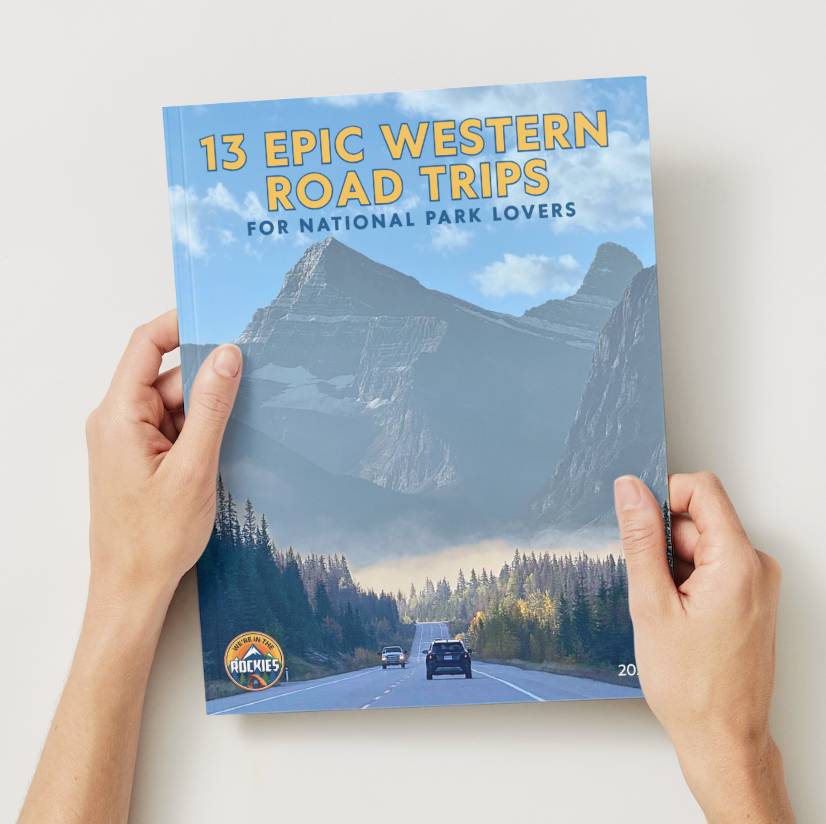
13 road trip ideas across the West so you know where to go, how long to stay, and what to see
*Sample routes from 4–31 days across national parks and hidden gems
*Driving times + best stops so you don’t miss the good stuff
*Season + weather notes to avoid closed roads and peak‑crowd days
*Lodging ideas in the right spots so you cut backtracking
If you experience trouble with your vehicle along the Oregon Coast, there are several towns with towing services and mechanics. If you are in an area without cell service, try to flag down another car for help or walk to the nearest area with cell service. The southern end of the Oregon Coast has fewer amenities, with options for towing and mechanics being more spread out.
Instant Car Fix is a mobile mechanic based out of Brookings that will come to you and try to fix the issue on the spot. They are open weekends and holidays, with same-day services offered. You might also want to note Northwest Allpro Auto Clinic. This mechanic, based in Newport, also offers towing services, so you can get both a mechanic and a tow truck in one call.
It’s a good idea to have AAA if you are traveling long distances. They can arrange tows for you and give you a list of verified mechanics.
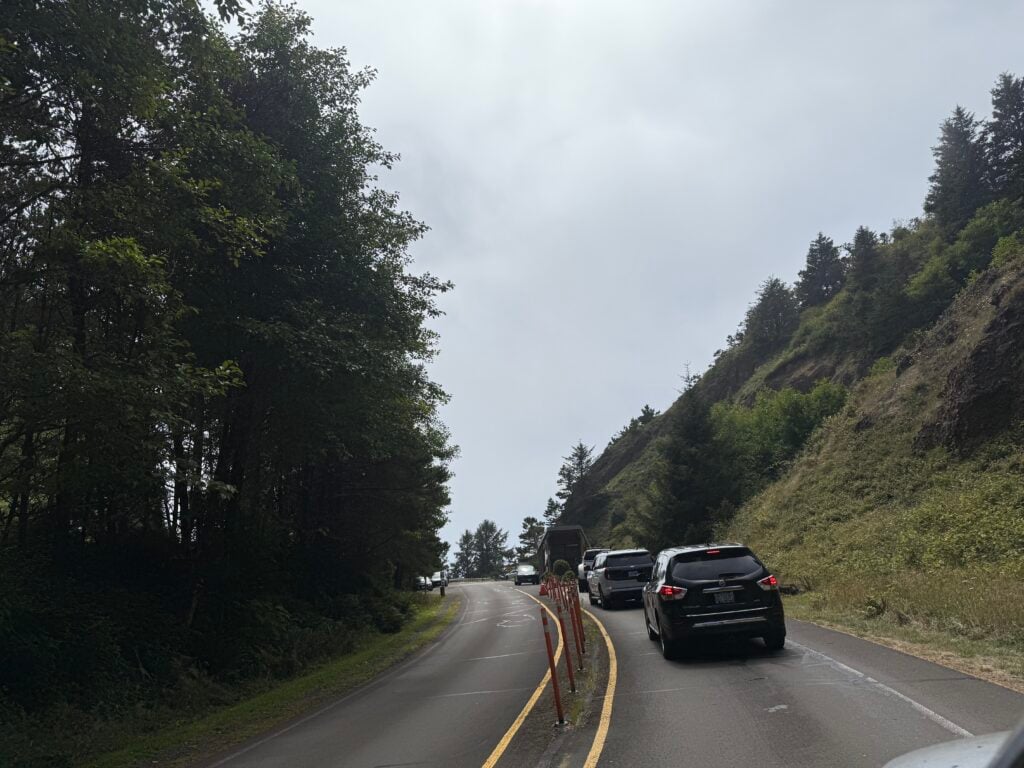
Cell service can be spotty along Highway 101, especially if you are traveling off the beaten path. While most towns along the Oregon Coast have cell service, some parts of the drive do not. There are stretches of Highway 101 that take you through remote coastlines or dense forests where there is no cell service. It’s best to download offline maps or pick up a physical map at a visitor center along the way. With that being said, Highway 101 is a pretty straightforward drive with plenty of signage, so I wouldn’t worry too much about losing cell reception.
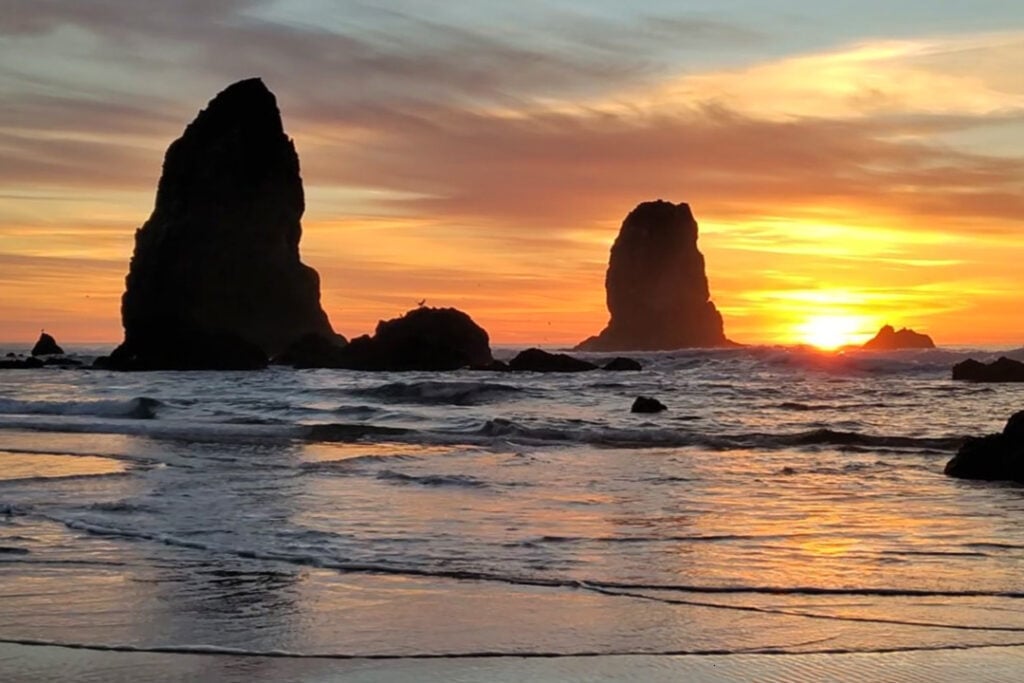
There are a few shuttle services connecting towns along the Oregon Coast. The Northwest Connector provides city shuttles all along the northern coast of Oregon. They offer various buses that run from Yachats to Astoria, with some fares only being ~$1 per ride.
On the southern end of the coastline, shuttle services are rare. There are occasional buses that come through town, but you’d be better off booking a private shuttle if this is your desired mode of transportation.
I would recommend that you bring your own vehicle for this road trip. It allows you more freedom to explore the area instead of just passing through.
RVs are allowed to drive on Highway 101; just use caution. While looking at a map, Highway 101 seems to be a straight road following the coast, but the road can be narrow and windy at times, making it hard to navigate in a larger vehicle. I’ve seen plenty of RVs along the drive, but they typically move much more slowly than other cars on the road.
A quick guide to choosing between the Oregon Coast, Olympic, Mount Rainier, and the Columbia River Gorge
*See what you can realistically do in the time you have (3-13+ days)
*Choose the RIGHT regions for you. Do you like to hike, relax, eat good food, take scenic drives?
*Avoid the classic PNW mistakes that waste hours in the car
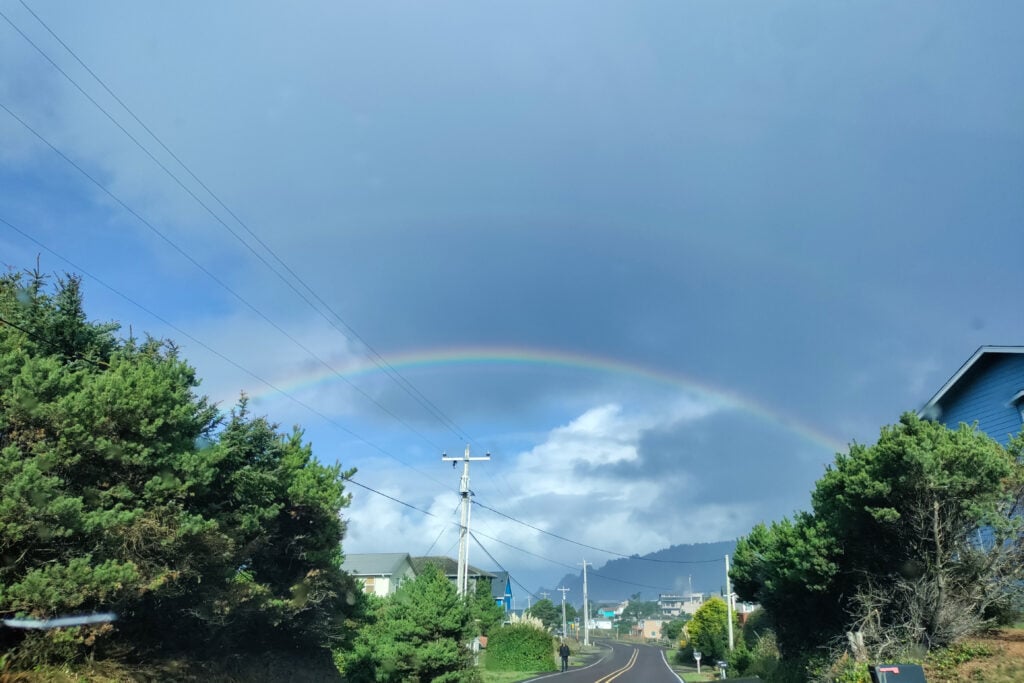
The drive on Highway 101 along the coast is one of my favorite things to do in the United States. You get to experience a rugged, remote coastline while also driving through towering trees and dense forests. The drive can be slightly intimidating at times, with steep drop-offs or roads winding through remote areas.
While this road is classified as a highway, it isn’t the usual highway that you’d encounter elsewhere. This is more of a leisurely drive through small towns mixed with rugged wilderness and unbelievable views around every corner.
My main recommendation is to take it slow and not rush the drive or the sightseeing. There are several pull-offs along the coast that you can stop at and take in the views. One of my favorite things about driving the Oregon Coast is that other drivers don’t seem rushed either. It’s a much different experience than driving I-5 through Oregon, where the speed limit can be up to 70mph with cars rushing around you.
The roads themselves are fairly smooth, considering how much rain this area gets. Of course, there are always some construction points along the way that might slow traffic, especially since Highway 101 is mostly a two-lane road.
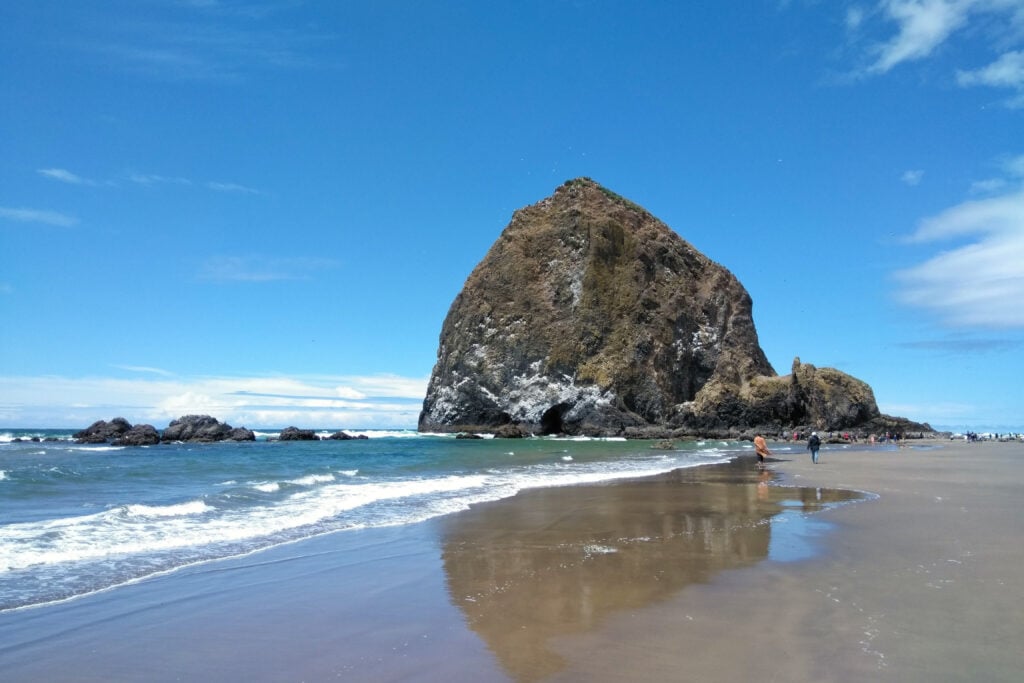
The speed limit along the Oregon Coast varies depending on the area you are driving through. On the stretches of land with no towns, the speed limit is typically 55mph. Through the towns, expect a speed limit of 25-35 mph. There are many areas with sharp curves and steep drop-offs where the speed limit is around 45 mph.
As far as traffic goes, while you’re driving through the scenic portions of the route with no towns, the traffic is fairly minimal. There are plenty of spots where you can pass people as well. Through the coastal towns, traffic can get pretty congested as a lot of people are crammed into a small space.
On my many trips to the Oregon Coast, I’ve never felt like it was overcrowded. It’s easy to find parking in the towns and at popular hiking trails.
Get our done‑for‑you, 7‑17 day route with exact drives, maps, and must‑see stops so you don’t waste time in traffic or miss the best views
Inside the guide:
*Day‑by‑day plan for Olympic, Mount Rainier, the Oregon Coast, & the Columbia River Gorge
*Exact times, routes, and photo stops
*Best Friend Guarantee: love it or get your money back
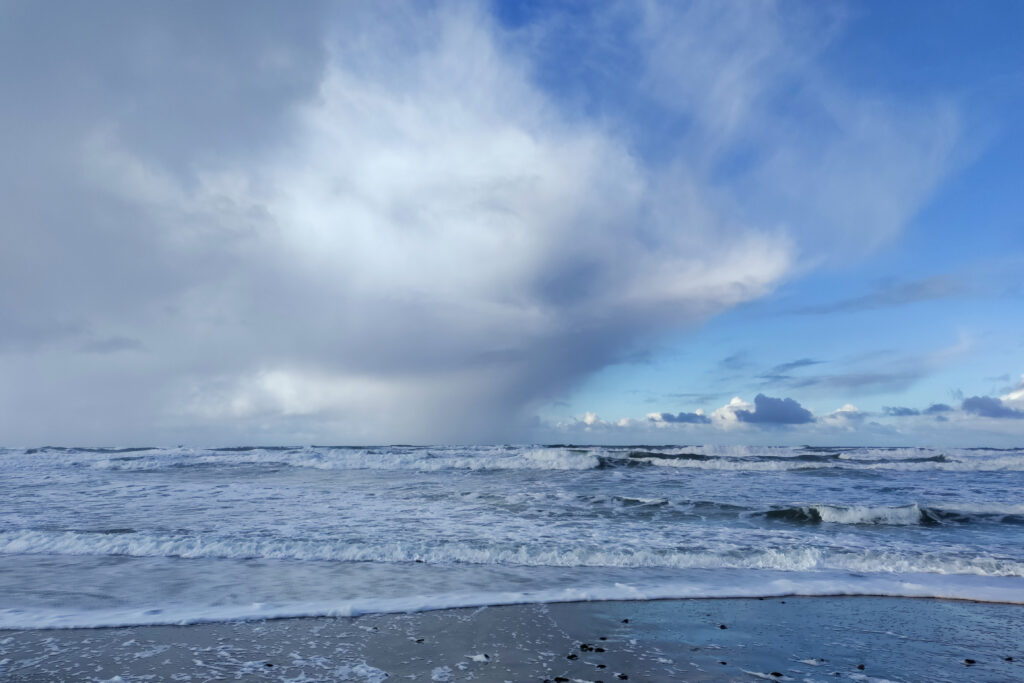
I truly believe that there is no bad time to visit the Oregon Coast. Of course, each season has its pros and cons, but each season also offers you a completely different experience. With Highway 101 running right along the Pacific Ocean, the weather is quite rainy, with mild temperatures throughout the year.
Summer is the busiest season to visit the Oregon Coast. During this time, temperatures during the day are around 55-70°F with lows in the 50s. There are more sunny days on average during the summer, which makes it the perfect season for watching the sunset. Spring and fall have daytime highs around 50-60° with lows sometimes reaching 40°. Expect some extra rain and wind during these seasons. Winter brings the most storms, with about 20 days of rain each month. Temperatures are typically in the 40s and 50s. While the coastal region is at a lower elevation, snow is unlikely, but not impossible.
The southern part of the Oregon Coast, near Brookings, is wildly different than the rest of the coastline. This area is known as the banana belt. The banana belt has a drier, sunnier climate than the rest of the coast. This makes for warmer winter temperatures, usually hovering around 60°F.
Another thing to note is that the coast is known for having dense fog, especially in the mornings. This can add to your drive time or make it hard to see all of the viewpoints along the route.
Every time I’ve visited the Oregon Coast, I’ve been met with rainy days. I’ve even gotten caught in wild storms that made it impossible to be outside comfortably, which also makes it uncomfortable to camp. Of course, there are beautiful sunny days with incredible sunsets, but just be prepared for that not to be the case. I recommend having a backup plan if you are tent camping. Also, pack your rain gear and lots of layers. Check out our recommended gear.
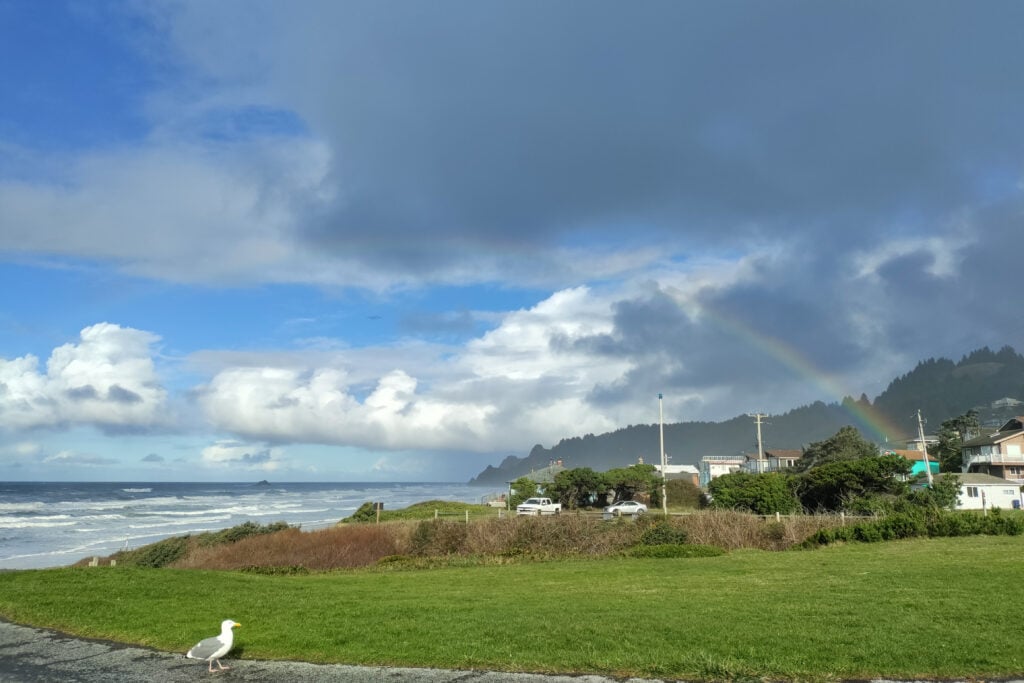
FIND OUT: What We Wish We Knew Before Visiting the Oregon Coast
Whether it’s your first time driving Highway 101 in Oregon, or you’ve been before, these 10 tips will give you an insight into what the drive is like, giving you a better understanding of the climate and road conditions. The biggest advice I can give you is just to get out and go. The Oregon Coast is an incredible drive and one you won’t forget!

If you’re serious about doing this Oregon Coast trip and don’t want to spend 20+ hours stitching it together from blogs and Google Maps, our PNW Road Trip Bundle gives you a tested loop you can follow.
It includes step-by-step itineraries for Olympic National Park, Mount Rainier National Park, the Columbia River Gorge, and the Oregon Coast, with suggested overnights, daily plans, and realistic drive times so you’re not wasting days in the car. We specialize in Western road trips, spend 70+ days a year on the road, and more than 24,000 travelers have used our guides for their trips.
Click the PNW Bundle to see all the amazing things you can do. If you’re only visiting the Oregon Coast, you can also grab just the Oregon Coast guide.
Driving the Oregon Coast HWY 101: 10 Things to Know Before You Go
One PERFECT DAY at Crater Lake National Park (+ Where to Stay and Eat)
What We Wish We Knew Before Visiting the Oregon Coast
Quick and Easy Guide to Hiking in Mount Rainier
A Perfect 6 Day Itinerary for Olympic (For First-Timers)