Welcome to Olympic National Park, where the ancient forest meets the wild sea. Here you will find untouched wilderness, have the opportunity to spot incredible wildlife, and feel truly inspired after your visit.
Olympic National Park is located in the northwestern corner of Washington. This is a large park with almost a million acres to explore and about 200 trails to hike. Olympic has something for every traveler with three main ecosystems in the park: the beaches, old-growth forests, and the subalpine zone.
In this itinerary, you’ll experience tide-pooling along the Olympic coast in Kalaloch or Rialto, you’ll walk amongst giants in the Hoh and Quinault Rain Forests, explore glacially fed waters of Lake Crescent, and drive high into the mountains for epic viewpoints of the Olympic Mountain Range.
I have been traveling to Olympic National Park for years, hiking many trails, and getting to know the land on a deeper level. I’ve written many blogs about visiting the area and have become an expert on the park. Read on to see what my ideal 6-day trip to Olympic National Park looks like.
Which Entrance Should I Use For Olympic National Park? Olympic’s 5 Entrances Explained
Driving in Olympic: 10 Things You Need to Know
7 Can’t-Miss Hikes in Olympic National Park: A Quick and Easy Guide
Where to Eat In and Around Olympic National Park
The Best (and Worst) Times of Year to Visit Olympic National Park
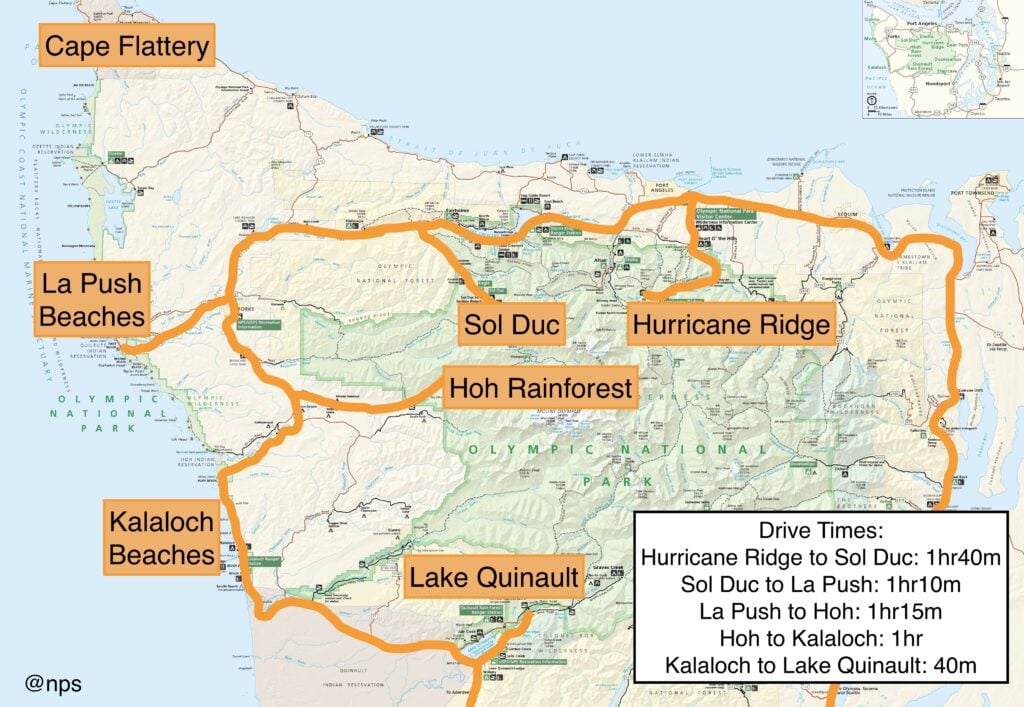
Olympic National Park is a vast area, with the furthest points of the park being 125 miles apart. The park can be driven as a full circle or as an out-and-back between Port Angeles and Quinault.
There are seven main areas of Olympic National Park:
1. Hurricane Ridge and Port Angeles: Hurricane Ridge is the easiest place to access the subalpine terrain of Olympic National Park. An 18-mile drive from Port Angeles takes you 5,000 feet above sea level to the ridgeline, where you are eye-to-eye with Mount Olympus and the Olympic Mountain Range.
2. Lake Crescent: Lake Crescent is a 12-mile glacially fed lake at the base of the Olympic Mountains. Here, you can enjoy lakeside days with the option for some awesome hiking.
3. Sol Duc: Sol Duc is famous for its cascading waterfall, the Sol Duc Falls, and the Sol Duc River. The trails here take you through an old-growth forest filled with life.
4. La Push: La Push is a short detour from Forks. This area is known for its hike-to beaches and spotting whales during the spring and fall migration.
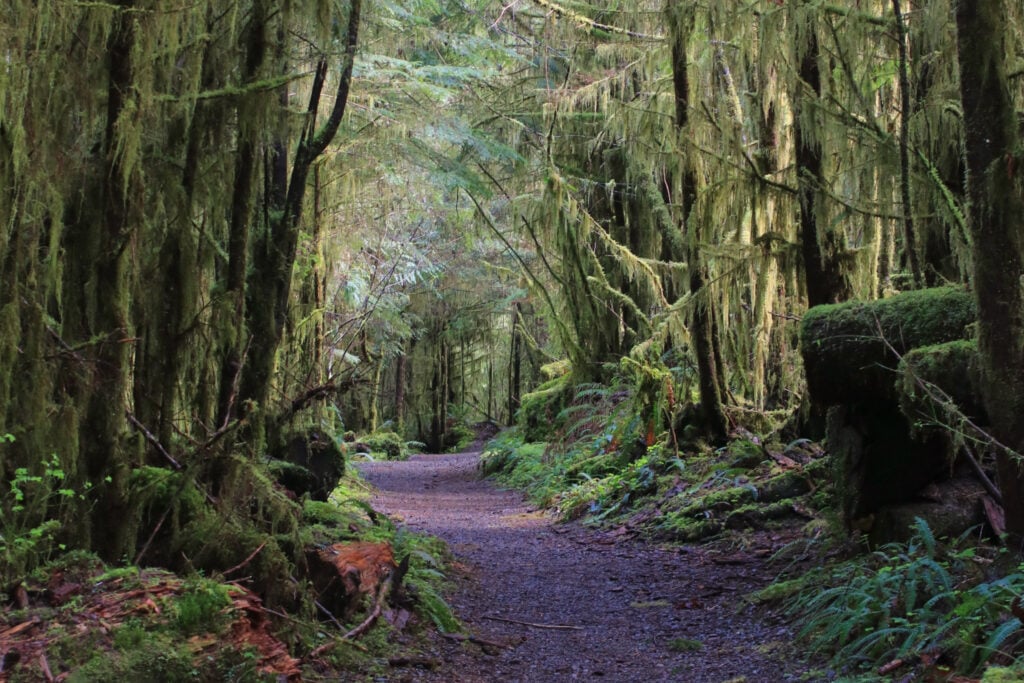
5. Hoh Rain Forest: The Hoh Rain Forest is a large old-growth forest with miles of hiking trails. This is one of the most iconic spots in Olympic National Park, with dense forests and moss dripping from the trees.
6. Kalaloch: Kalaloch is where the forest meets the sea. With 5 miles of beaches to explore, this area is a haven for tidepooling. This is a popular area of the park because of the ease of access and the beauty of this section.
7. Lake Quinault: Lake Quinault is situated in the Quinault Rain Forest. This area is filled with waterfalls and hiking trails that lead you through a thriving forest.
My favorite way to approach Olympic National Park is by starting on the southern end of Highway 101. Here, you will find the Quinault Rain Forest. Of course, if you are starting from the Northeastern part of the park, near Port Townsend or Port Angeles, then read this guide from the bottom to the top.
This itinerary was written for the first-time visitor. It includes everything that will allow you to have a well-rounded trip to Olympic National Park. It includes incredible scenery, well-worth-it hikes, and beaches to explore.
I have written this as a 6-day itinerary, with 2 optional days depending on your time limit. While a visit to Olympic National Park can be completed year-round, April through October is the best time to visit to get the most out of the park.
Best Beaches: Kalaloch, Ruby, and Rialto
Best Forests: Hoh Rain Forest and Quinault Rain Forest
HANDY TIP: Most campgrounds within Olympic National Park require a reservation from May through September. Reserve your campsites through recreation.gov.
Get our done‑for‑you, 2-5 day plan with exact drives and must‑see stops so you don’t waste time in traffic or miss the best views
Inside the guide:
*Step-by-step plan that will take you to the best mountains, beaches, rainforests, and lakes
*Exact time frames and star ratings so you can make the best use of your time and money
*Best Friend Guarantee: Love it or get your money back
*Visiting more in the PNW? Save big $ and get guides for Olympic, Mount Rainier, the Oregon Coast, and the Columbia River Gorge with our PNW Bundle.
Morning: Quinault Rain Forest Nature Trail, Waterfalls, and Lake Quinault
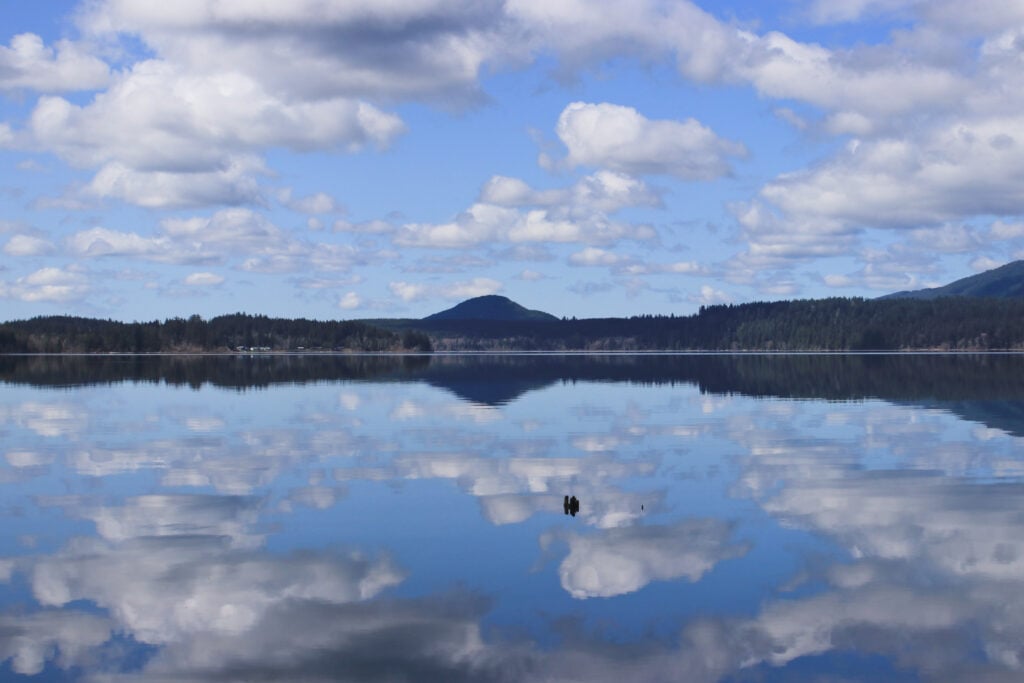
Hiking the Quinault Rain Forest Trail is a great introduction to the Lake Quinault area. It’s situated on the South Shore Road, shortly after you turn off Highway 101. This trail is an easy 0.9-mile loop with 121 feet of elevation gain. It takes you through the Quinault Rain Forest, a dense forest with large trees and lush vegetation. This is one of my favorite trails to start with because there are educational plaques along the way that teach you about the flora, fauna, and the nearby ecosystem.
From here, you’ll drive to the Quinault Ranger Station. You can park and take a short stroll to Falls Creek and Lake Quinault. This is part of the Quinault Loop Trail, which is a 3.9-mile hike. If you’re not up for the longer hike, I recommend walking toward Falls Creek Campground and following the short path from the falls down to Lake Quinault.
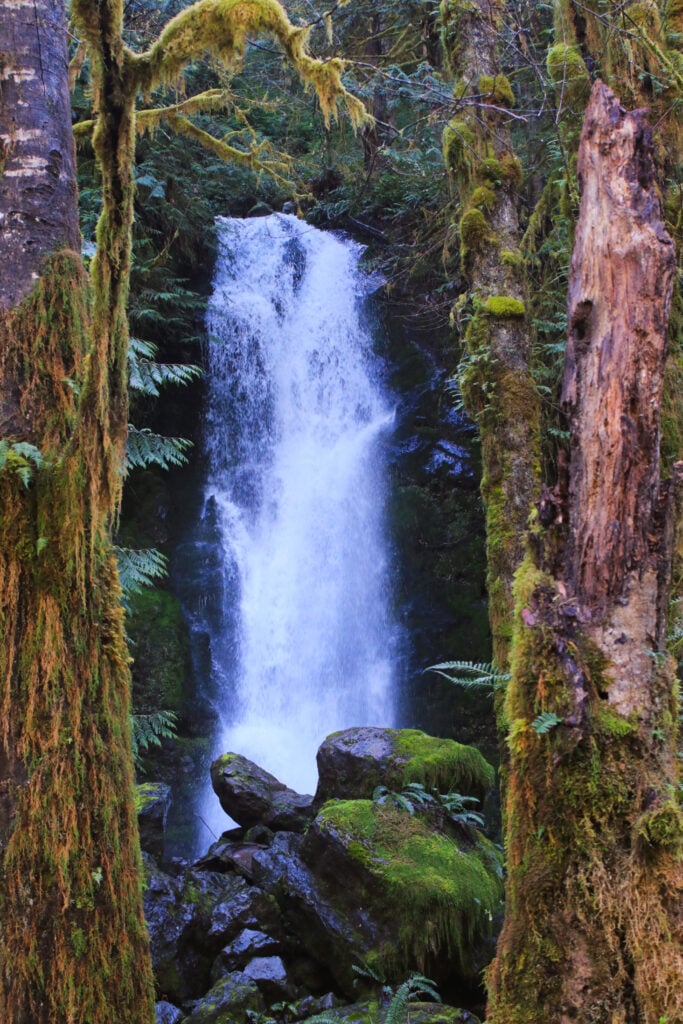
There are a couple of roadside waterfalls you can see on the South Shore Road. About 4 miles down is Merriman Falls, which is a large cascade surrounded by ferns and large trees. There is a small pull-off on the road to park and admire the falls. From here, you can drive an additional 5.5 miles to Bunch Falls.
On the way back, stop by the World’s Largest Sitka Spruce. There is a 0.4-mile out-and-back trail to access the tree. It’s well worth the stop. The Sitka Spruce is towering at over 191 feet tall and is over 1,000 years old.
PRO TIP: While you can drive Lake Quinault as a 31-mile loop, the road turns to gravel, making the drive time about 2 hours. So I wouldn’t recommend this unless you have extra time and a capable vehicle, as RVs are not suitable for this drive.
Optional Activities: If you are feeling a little adventurous, taking a paddle on Lake Quinault is a perfect way to spend the first afternoon. Kayak rentals at the Lake Quinault Lodge start at ~$20 for an hour. There are also boat launches if you choose to bring your own kayak or paddleboard. During the summer, the lodge offers 2-hour boat tours of Lake Quinault from Memorial Day through Labor Day.
Where to Eat: The Roosevelt Dining Room is located in Lake Quinault Lodge, sitting right along the water with lake views. It is an upscale restaurant serving breakfast, lunch, and dinner daily.
Afternoon/Early Evening: Kalaloch Beaches
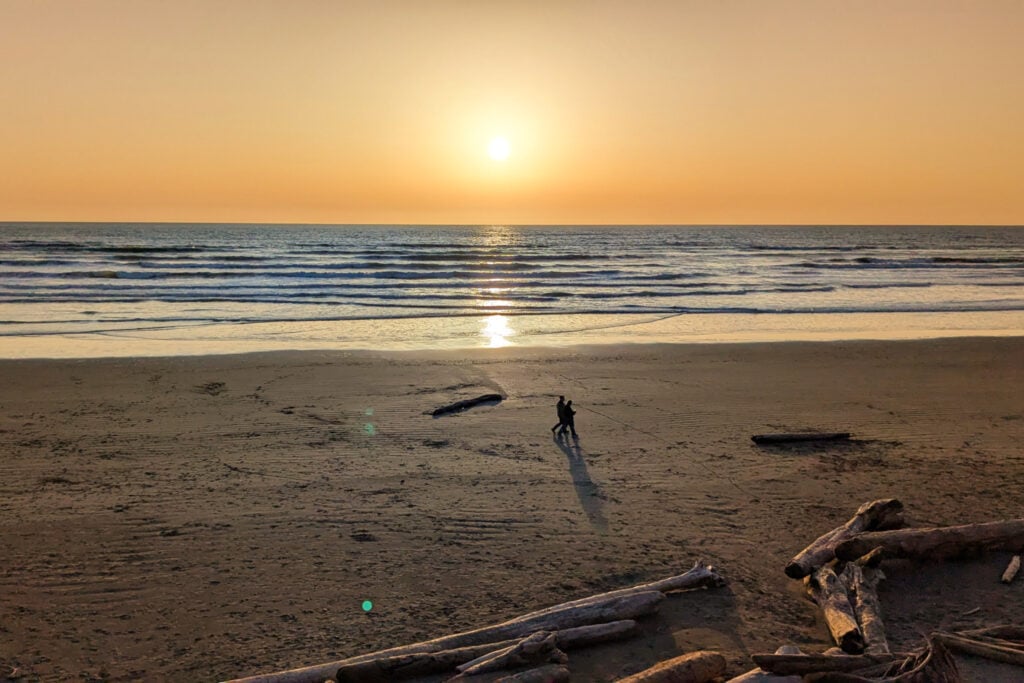
After spending some time admiring the lake, you’ll start heading west, about 35 minutes, to Kalaloch. Kalaloch is a 5-mile stretch of beaches with the coastal forest as your backdrop. While there are several beaches in the area, my favorite spots are the beach access from the Kalaloch day-use area, Beach 4, and Ruby Beach.
A short walk from the day-use parking brings you to the main Kalaloch Beach. Unlike most beaches in the area, which house seastacks off the coast, this beach is just a sandy beach with driftwood washed up on shore. On this beach, you’ll find what is known as the Tree of Life. This tree is a miracle; with the soil eroding away from the roots, the tree is exposed and resting with minimal ground support. It’s a true wonder of the area.
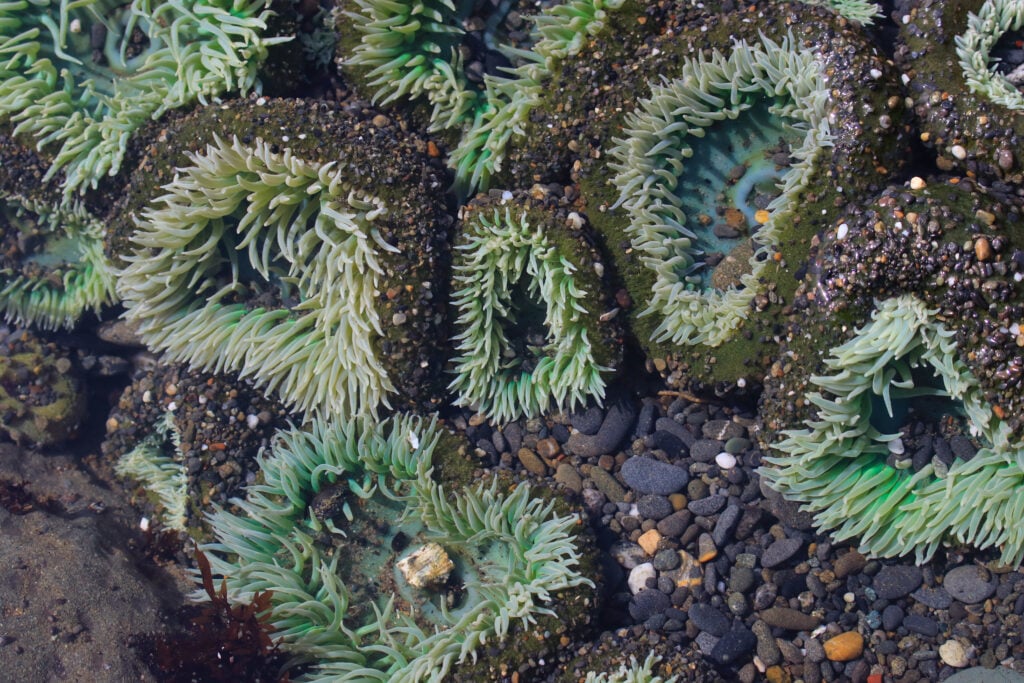
Beach 4 is one of the best beaches in Olympic National Park for tidepooling. There is a hike to the beach, which I don’t recommend if you are mobility-impaired. The hike is 1.1 miles out-and-back, ending at a large boulder that requires a rope to climb down/back up. From here, you can explore the nearby sea stacks to find sea stars, crabs, and anemones.
Ruby Beach is one of the most popular beaches in the area. This beach has a steady climb down to the shore. Here you will find dramatic ocean views and diverse rock formations. There are excellent tide pooling opportunities here as well, so I recommend visiting at low tide.
Where to Eat: Creekside Restaurant sits right along the ocean, giving you beautiful views while enjoying your meal. The dinner menu offers locally caught king salmon, filet mignon, crab mac & cheese, and elk burgers
A quick guide to choosing between the Oregon Coast, Olympic, Mount Rainier, and the Columbia River Gorge
*See what you can realistically do in the time you have (3-13+ days)
*Choose the RIGHT regions for you. Do you like to hike, relax, eat good food, take scenic drives?
*Avoid the classic PNW mistakes that waste hours in the car
Morning: Hike in the Hoh Rain Forest
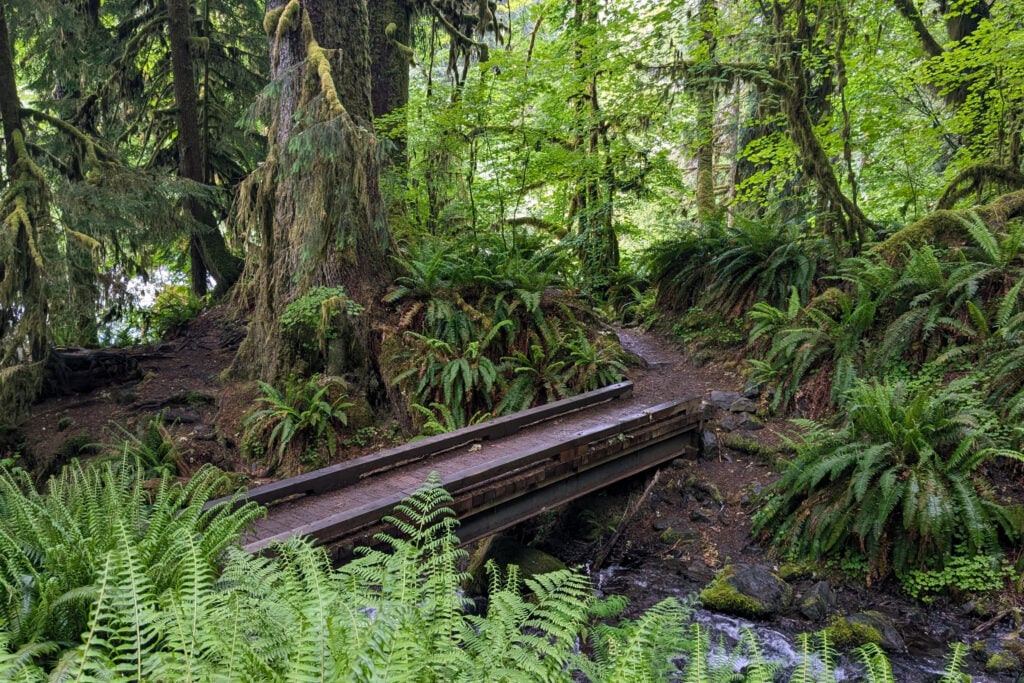
The Hoh Rain Forest is the heart of Olympic National Park. This old-growth forest is dripping with moss and beaming with life. The best way to experience the Hoh Rain Forest is on foot, with 3 hiking trails to choose from.
A popular favorite is the Hall of Mosses. If you are interested in learning more about the local ecosystem, this is the trail for you. There are educational plaques along the way telling you more about the environment around you. The trail is a 1.1-mile loop and is a very easy walk through the forest. I recommend hiking this trail as early as possible to beat the crowds.
The Spruce Nature Trail is a 1.3-mile loop taking you through a spruce forest, which houses many nurse logs, and it also takes you to viewpoints of the Hoh River.
The last trail in this area is the Hoh River Trail. This is my personal favorite. It is a 35-mile trail, but don’t let that deter you from taking a walk along this path; you can turn around at any point. You’ll reach the Hoh River about a mile into the walk. I usually walk to Mineral Creek Falls, which is about 5.5 miles round-trip on this trail. I notice that after the first mile or so, foot traffic dies down significantly, which provides you with solitude in an otherwise extremely busy area of the park.
Where to Eat: Hard Rain Cafe is a locally owned restaurant and campground situated on the Upper Hoh Road. They mostly offer sandwiches and burgers, with the Olympus Burger being a fan favorite.
Afternoon: Visit Forks and Rialto Beach

From the Hoh Rain Forest, you’ll head about an hour north to Forks, Washington. This small town is a great stopping point for picking up any necessities, fueling up, or grabbing a bite to eat.
On your way into town, stop by the Forks Visitor Center. The people running this visitor center are very informative, plus you can put a pin on the visitor map.
Forks Outfitters is a one-stop shop for most things, like groceries, camping supplies, and souvenirs.
Optional Activities: Stop by John’s Beachcombing Museum (if they happen to be open). This museum is more of a personal collection of beachcombing finds, which is home to thousands of unique items found on beaches throughout the Pacific Northwest. Or you can visit the Forks Timber Museum. This museum shares the history of logging in the area, with vintage machinery and photos on display.
Where to Eat: If you’re looking for an afternoon pick-me-up, I recommend stopping at A Shot In The Dark. This is a small drive-thru coffee shop serving delicious drinks and sandwiches.
Evening: Rialto Beach
On the second evening of your trip, you’ll head back to the beach. Rialto Beach is a great place to end the day because there is a campground nearby, and it sets you up perfectly to explore La Push the next morning. This drive is roughly 20 minutes from Forks.
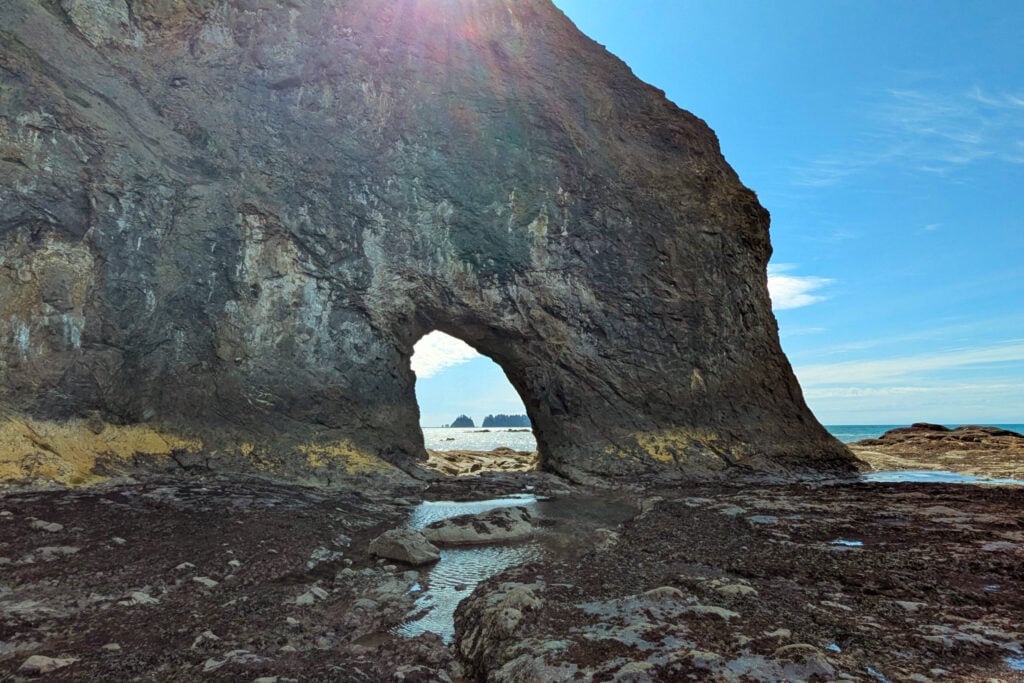
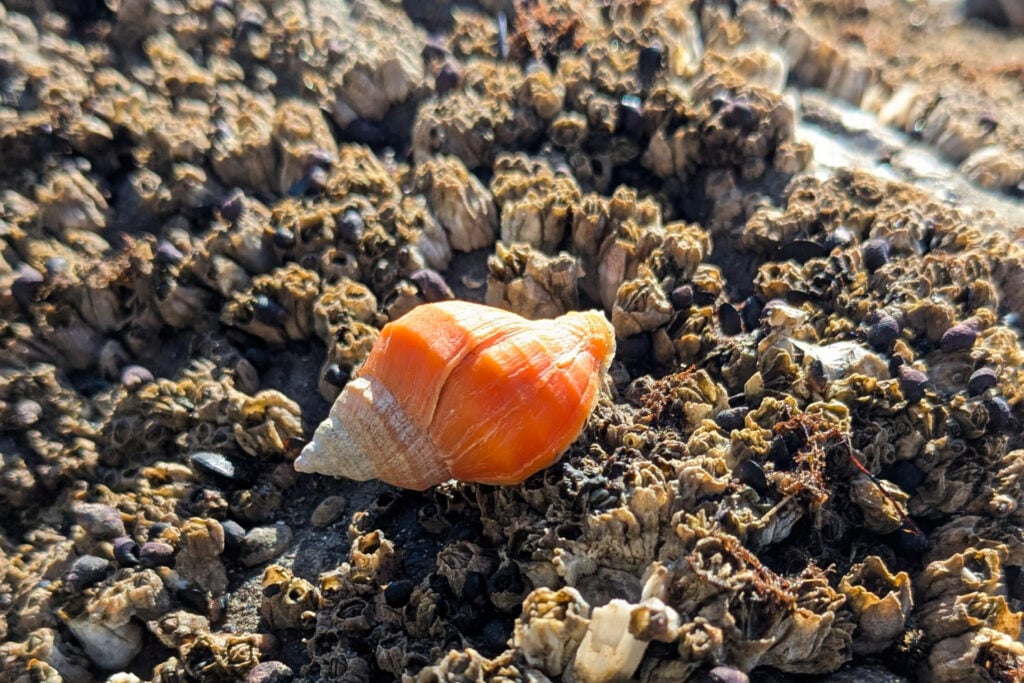
Rialto Beach is a driftwood-littered beach with oceanfront parking. Rialto is widely known for its famous Hole-in-the-Wall Hike. This hike can only be completed at low tide. It’s a 3.5-mile round-trip hike down the beach to a large rock with a natural arch. Walking through the arch gives you access to what feels like another planet with an abundance of colorful crabs, sea stars, and anemones.
Even if you have no desire to hike, this beach is still great for hanging out and trying to spot wildlife like eagles and gray whales during their migration.
A quick guide to choosing between the Oregon Coast, Olympic, Mount Rainier, and the Columbia River Gorge
*See what you can realistically do in the time you have (3-13+ days)
*Choose the RIGHT regions for you. Do you like to hike, relax, eat good food, take scenic drives?
*Avoid the classic PNW mistakes that waste hours in the car

If hike-to beaches and long drives aren’t your type of adventure, you can skip this day. Both of these locations are incredibly beautiful, but aren’t necessary if you are short on time or don’t care for longer hiking days.
Morning: Hike to a Beach in La Push
La Push has three beaches in the area: First Beach, Second Beach, and Third Beach
First Beach is the easiest to access, with beachfront parking. First Beach is on the Quileute Reservation, requiring you to purchase a permit from the Lonesome Creek Store to visit.
Second Beach is a hike-to beach. This is my favorite beach in La Push. It’s a 0.8-mile walk down to the beach. Here, you’ll find silky black sand with large sea stacks to explore. There are some tide pools here as well.
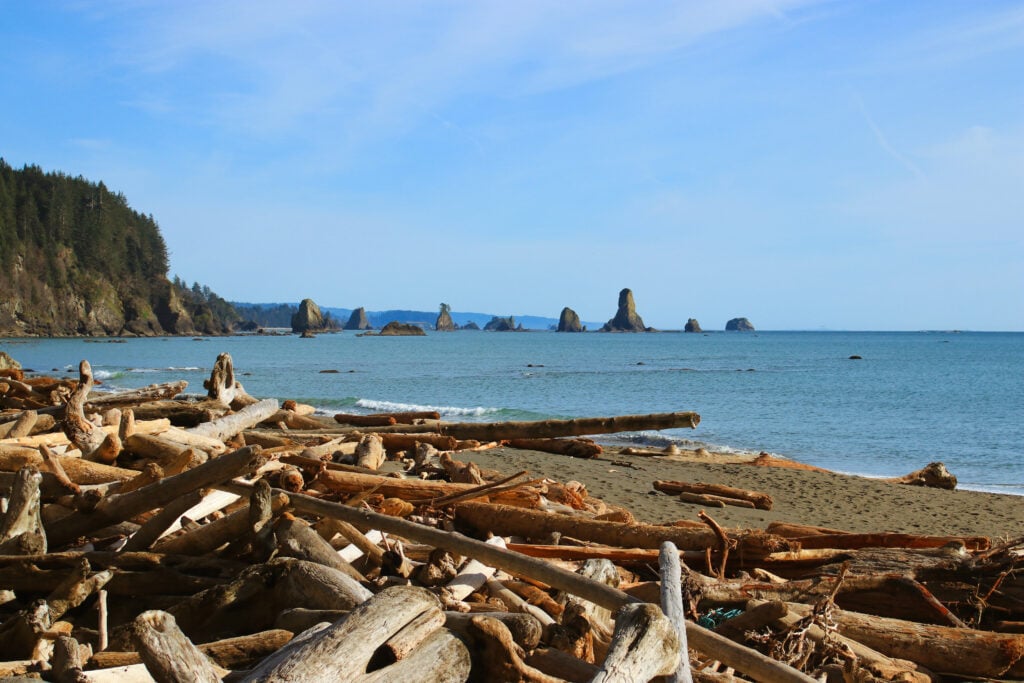
Third Beach is also a hike-to beach. This is one of the less-visited beaches in the area. The hike to the beach is 1.3 miles with 280 feet of elevation gain. This beach features a waterfall accessible at low tide. There is a field of driftwood that you will need to cross to access the actual beach. Because it is less visited, you can often enjoy a moment of solitude here.
13 road trip ideas across the West so you know where to go, how long to stay, and what to see
*Sample routes from 4–31 days across national parks and hidden gems
*Driving times + best stops so you don’t miss the good stuff
*Season + weather notes to avoid closed roads and peak‑crowd days
*Lodging ideas in the right spots so you cut backtracking
Afternoon: Visit Cape Flattery
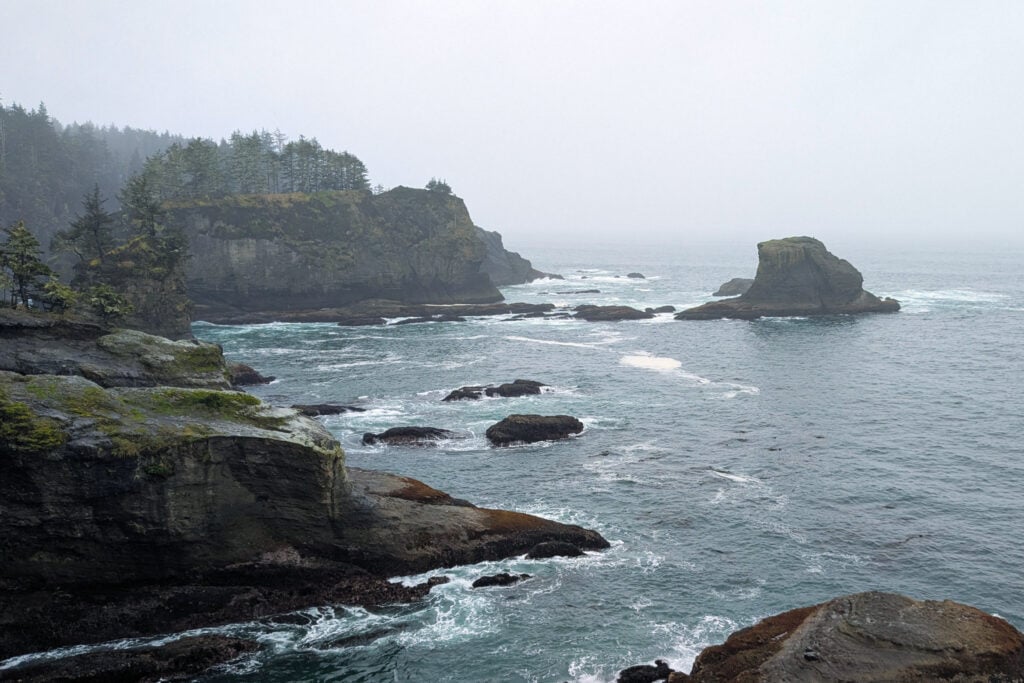
Once you’re done exploring the beach, I highly recommend going a little off the national park path, up to a magical place called Cape Flattery. Cape Flattery is about a 1.5-hour drive from La Push. Cape Flattery is the farthest northwest tip of the contiguous United States. It is one of the most breathtaking views you’ll see in the park. With large rock formations and rough ocean waves that crash into the land, you can feel the energy of this place flowing through you. The walk is very easy to navigate, with beautiful wooden overlooks. This hike is 1.5 miles round trip with 229 feet of elevation gain.
Cape Flattery is on the Makah Indian Reservation, so you will need a Makah Recreation Permit. The permit is ~$20 per year and can be purchased online or in Neah Bay.
Optional Activity: Hike to Shi Shi Beach. Shi Shi Beach is a popular destination in the area. It’s about 5 miles round-trip to the beach. This trail is known for being extremely muddy, making it a real adventure. Once you arrive at the beach, you have the option of hiking to the arches, making it an 8.8-mile round trip. The beach here is black sand with a moody backdrop of misty sea stacks and dense forest.
Where to Eat: While you’re in the area, go to Pat’s Place in Neah Bay, where they serve fry bread and indian tacos.
Morning: Explore Sol Duc Valley
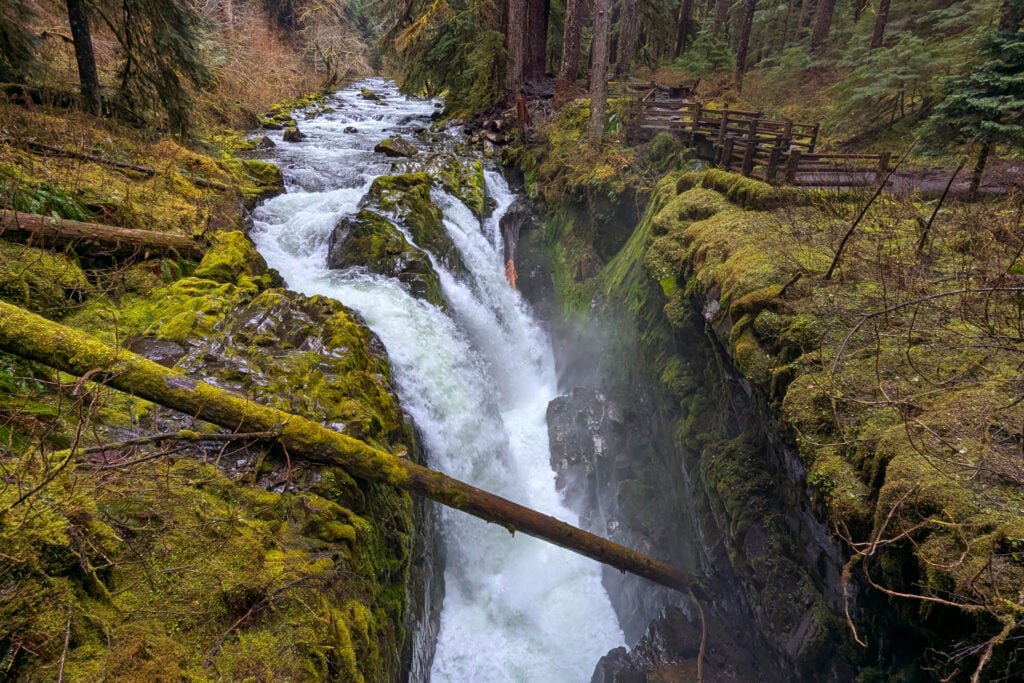
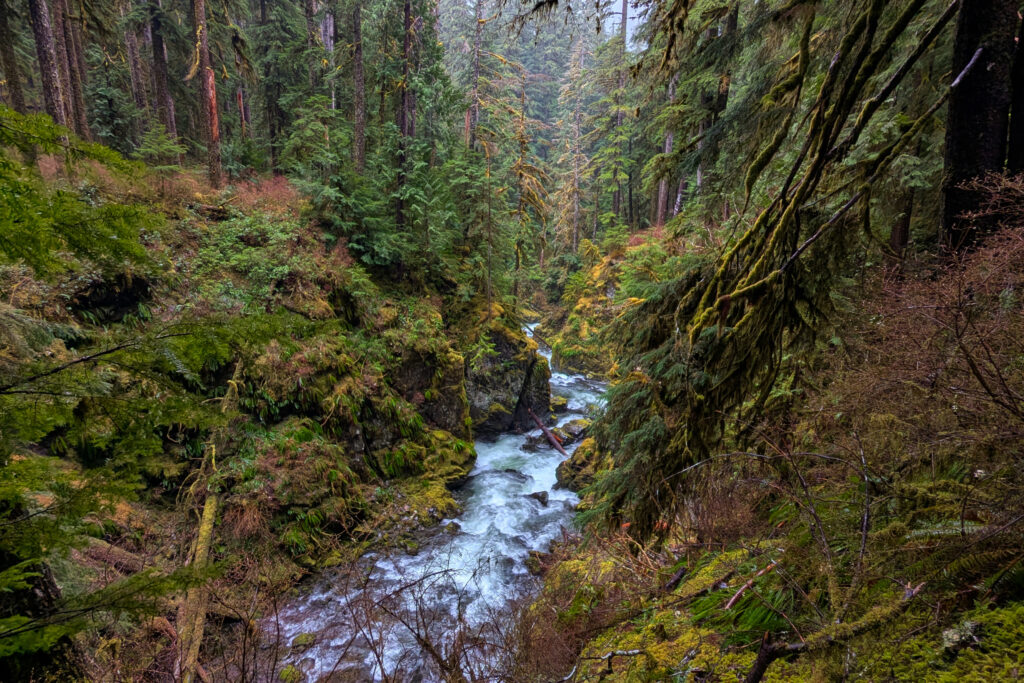
Sol Duc, originally Soleduck in Quileute, translates to “sparkling waters.” This area is known for the roaring Sol Duc River, which is home to spawning salmon, large old-growth trees, and the Sol Duc Hot Springs.
Sol Duc Falls is the iconic stopping point in the Sol Duc Valley. A 0.8-mile hike leads you to a rushing cascade that falls 50 feet below into the Sol Duc River. This area has a deep canyon, lined with ferns. There are a few overlooks at the falls, giving you the perfect vantage point for viewing.
Walk the Ancient Groves Nature Trail. This half-mile trail is a leisurely walk through the forest that leads you to sweeping views of the Sol Duc River and distant mountains.
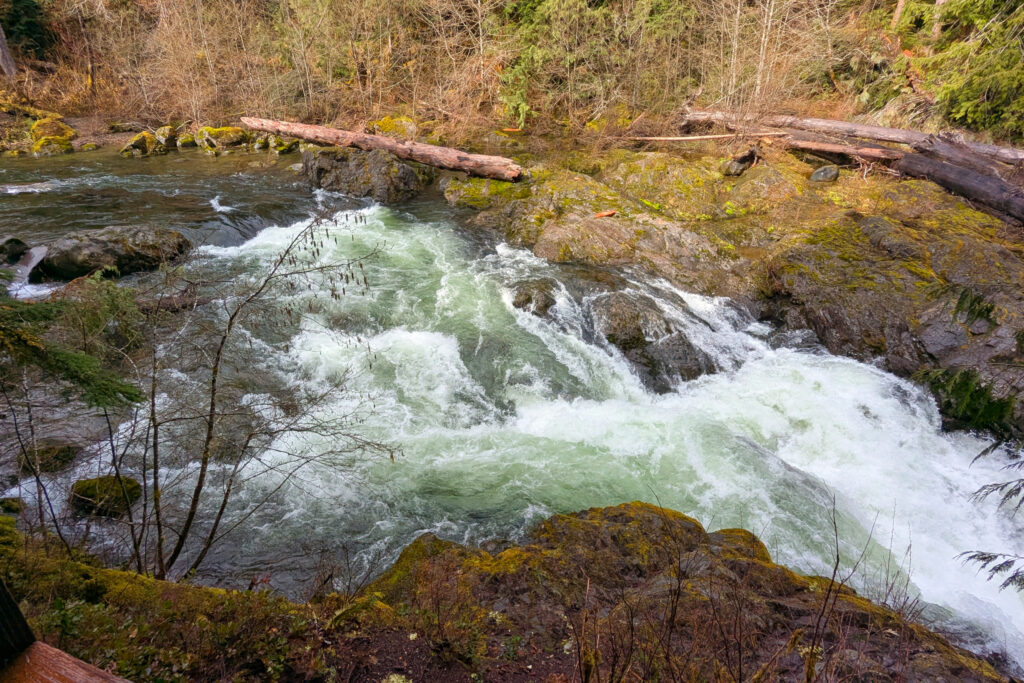
Check out the Salmon Cascades Exhibit. A short walk takes you straight to the river, where you can watch salmon spawning in the fall.
Optional Activity: Soak in the hot springs. The Sol Duc Hot Springs Resort is open to the public. There are 3 heated pools and one cold plunge pool. They have showers and locker rooms. The soak time is 1.5 hours and costs ~$19 per person. It’s a great place to relax after spending several days hiking. Read more about it in our article Sol Duc Hot Springs: An Honest Review (Resort, Restaurant, and Springs).
Afternoon: Lake Crescent
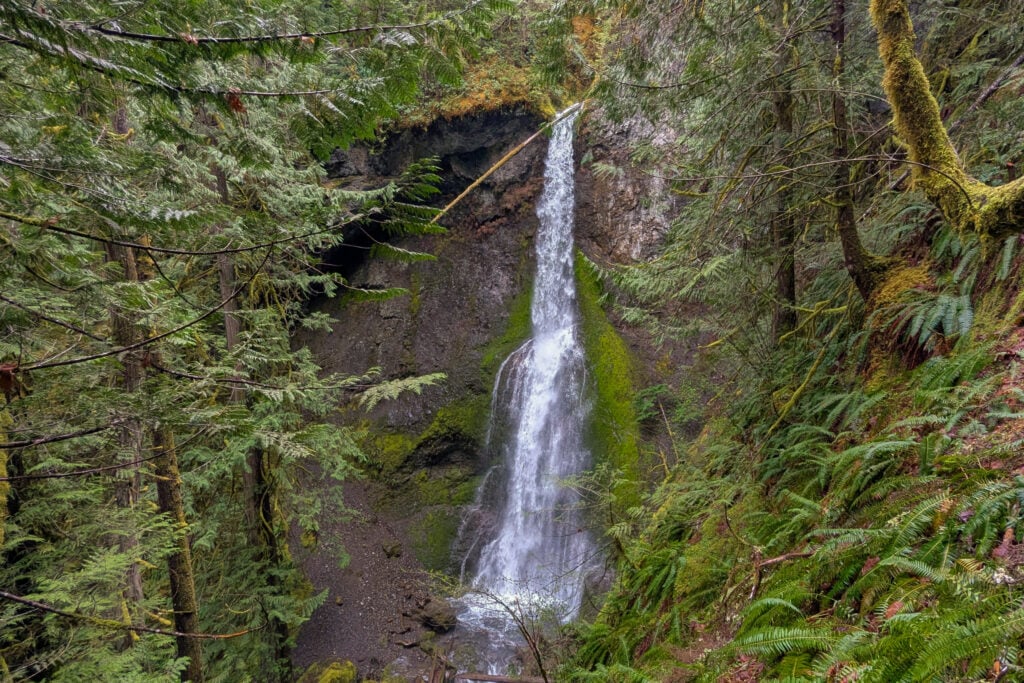
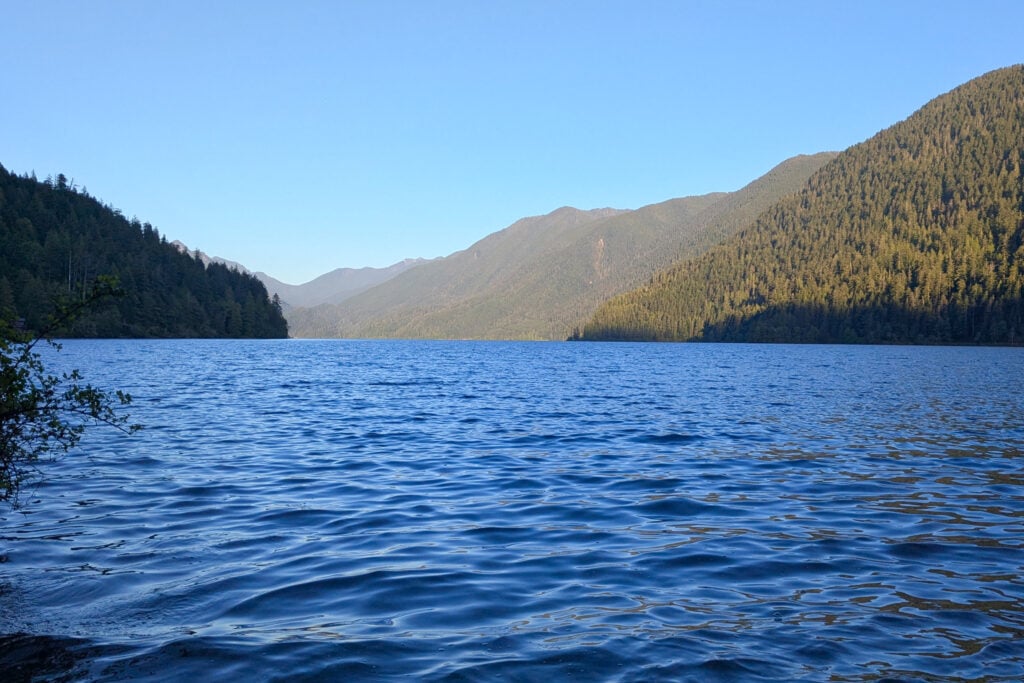
It’s best to start your visit at the Storm King Ranger Station. Here, you’ll have access to the lake and a few hikes, like Marymere Falls. An easy 1.8-mile hike with 318 feet of elevation gain leads you to a 90-foot waterfall. The trail is flat until you reach the staircase to the falls. There are two observation points for the falls.
Optional Hike: From the Marymere Falls Trail, there is an option to hike Mount Storm King. This isn’t a beginner hike, but it would be a fun side quest for someone looking for a mountain hike. The trail to the summit is 4.1 miles round-trip, with 2,000 feet of elevation gain. There is a rope section at the top, which is an option for the best views. From here, you can see Lake Crescent, the Olympic Mountain Range, and the Strait of Juan de Fuca.
The Moments in Time Trail is a great option for an easy stroll along Lake Crescent and through the nearby forest. There are informational markers telling you how the lake was formed, how the first settlers in the area lived, and how the forests are shaped today. This is an easy 0.8-mile walk along a well-groomed path.
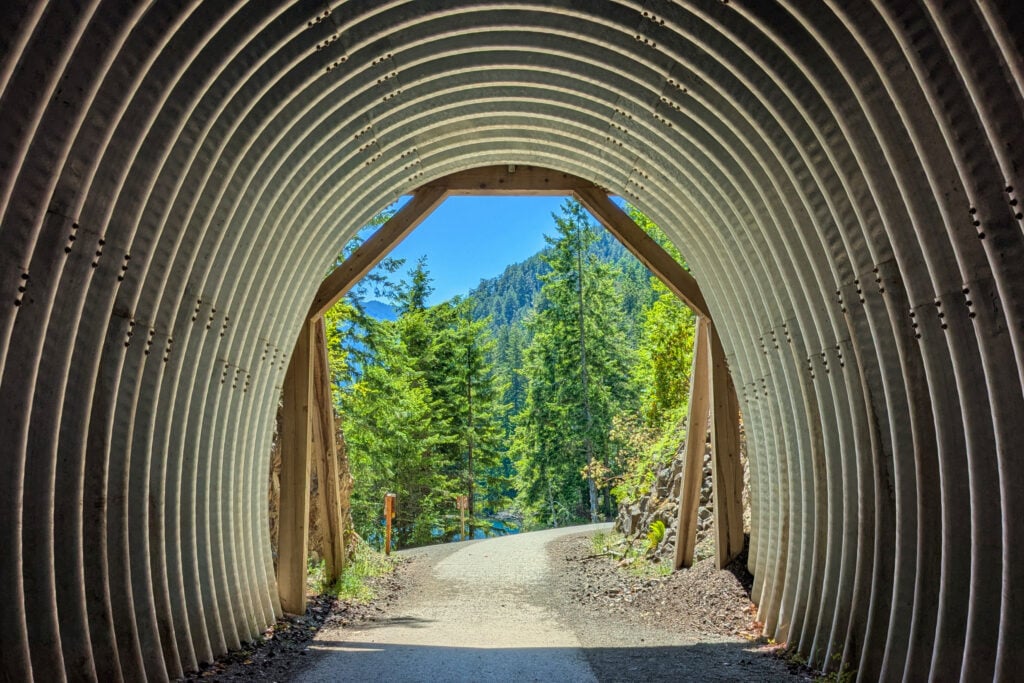
The Spruce Railroad Trail is one of my favorites in the area. It’s located on the north shore of Lake Crescent. This trail leads you along Lake Crescent on a paved, shady path. It is 11.2 miles long with 410 feet of elevation gain. The best part, though, is that you can turn around at any point. A popular destination along this trail is the Devil’s Punchbowl, a deep, turquoise blue swimming hole. The hike to the Devil’s Punchbowl is 1.2 miles.
Optional Activities: There are several boat ramps along Lake Crescent where you can take your kayaks, paddle boards, or small boats. If you are looking for kayak rentals, check out the Lake Crescent Lodge or the Fairholme Store. You can also swim at the boat ramp next to Fairholme Campground.
Where to Eat: Lake Crescent Lodge Dining Room is situated right on Lake Crescent, with views of the lake from the dining room.
Get our done‑for‑you, 7‑17 day route with exact drives, maps, and must‑see stops so you don’t waste time in traffic or miss the best views
Inside the guide:
*Day‑by‑day plan for Olympic, Mount Rainier, the Oregon Coast, & the Columbia River Gorge
*Exact times, routes, and photo stops
*Best Friend Guarantee: Love it or get your money back
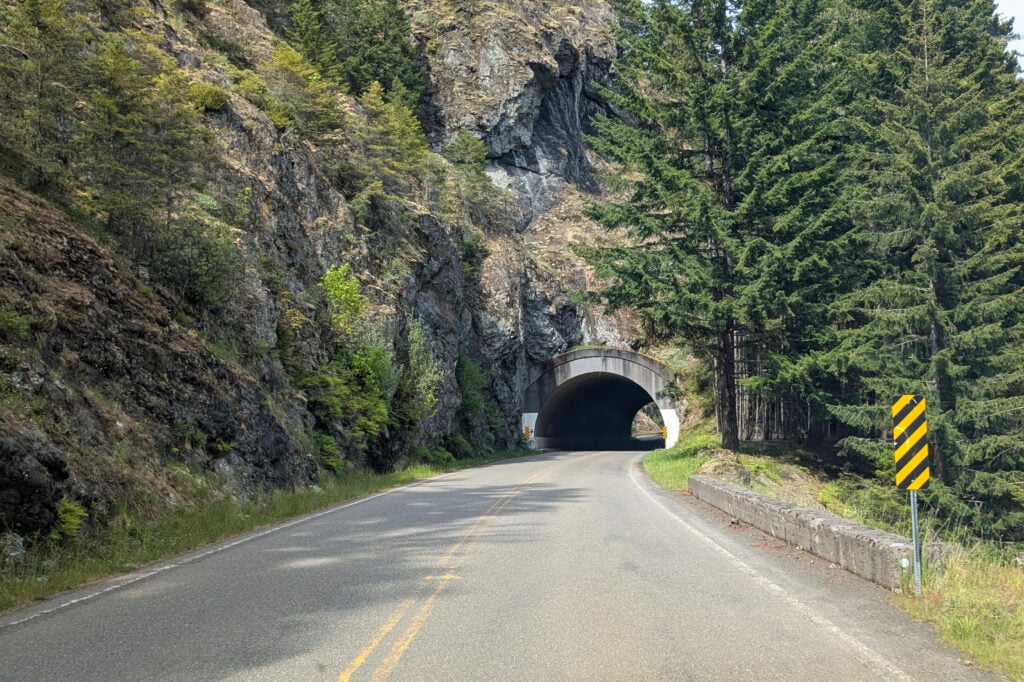
On day 5, you have the option of starting your day by exploring Port Angeles or driving to Hurricane Ridge. The only reason why I suggest visiting Hurricane Ridge first is that it can get fairly busy in this area after the morning.
Morning: Hurricane Ridge
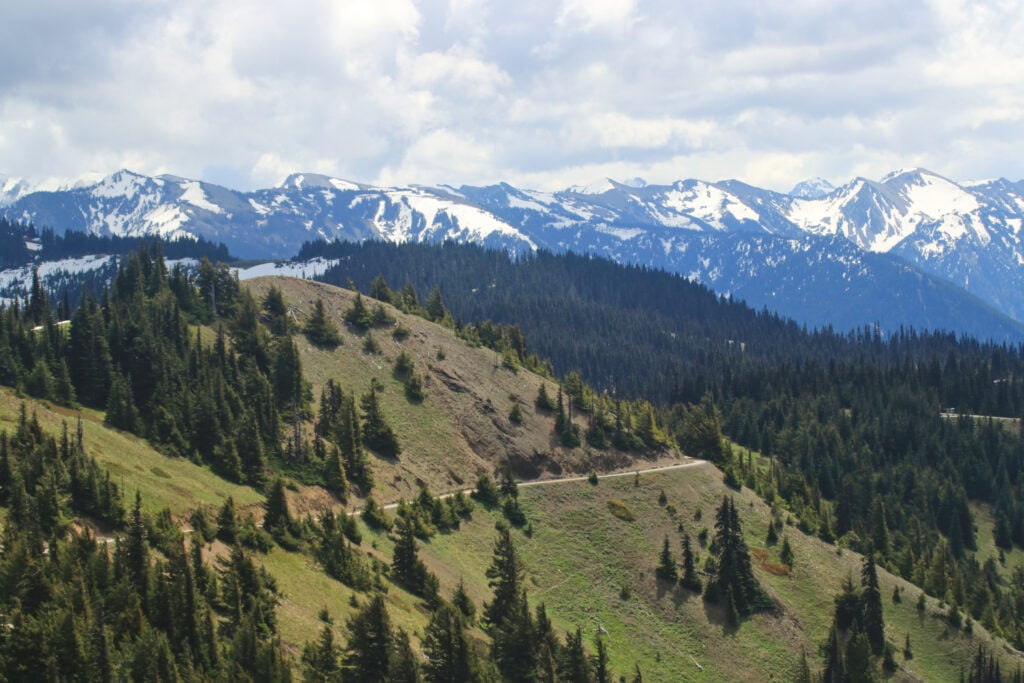
Hurricane Ridge Road is accessed via Port Angeles. This drive is 18 miles with an elevation of about 5,000 feet. Allow yourself 30-40 minutes for the drive. There are several overlooks on the way, showcasing Port Angeles down below with the Olympic Mountain Range to your right. I think the drive is well worth it just for the views! There are also a few hikes in the area.
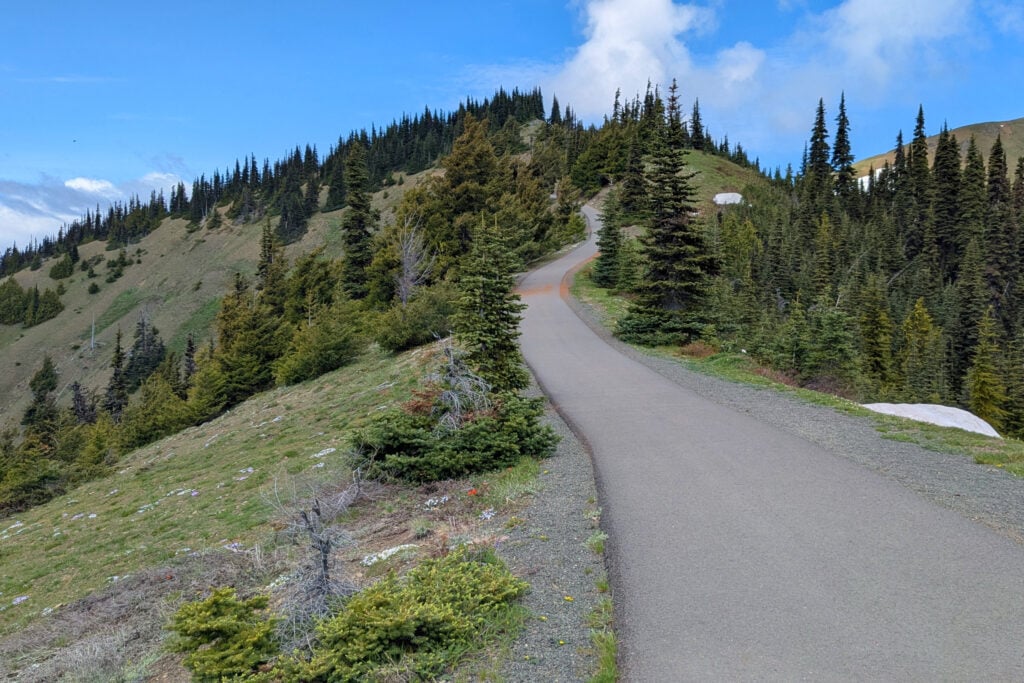
Hurricane Hill Trail is my favorite. This is a moderate 3.4-mile trail with 830 feet of elevation gain. The Hurricane Hill Trail is the quintessential Washington hike, with big mountain views, sweeping valleys, and fields of wildflowers. It is fully paved with several benches along the way to rest and take in the views.
Klahhane Ridge Trail is great for anyone looking for a longer, rewarding hike. This hike is a hard 7-mile out-and-back with about 2,000 feet of elevation gain. The trail takes you along a ridgeline with sweeping views and wildlife sightings.
Optional Activities: Take the shuttle to Hurricane Ridge. There is a seasonal summer shuttle that runs from Port Angeles to Hurricane Ridge. There are several departures throughout the day, and it’s only ~$2 round-trip per person. Drive to Obstruction Point. There is a small gravel road leading from the main parking lot at Hurricane Ridge to Obstruction Point. The road is 8 miles long and is fully gravel. RVs and trailers are not allowed.
PRO TIP: There are no amenities at Hurricane Ridge, besides a bathroom. Pack a lunch and plenty of water for your adventure.
Afternoon: Explore Port Angeles
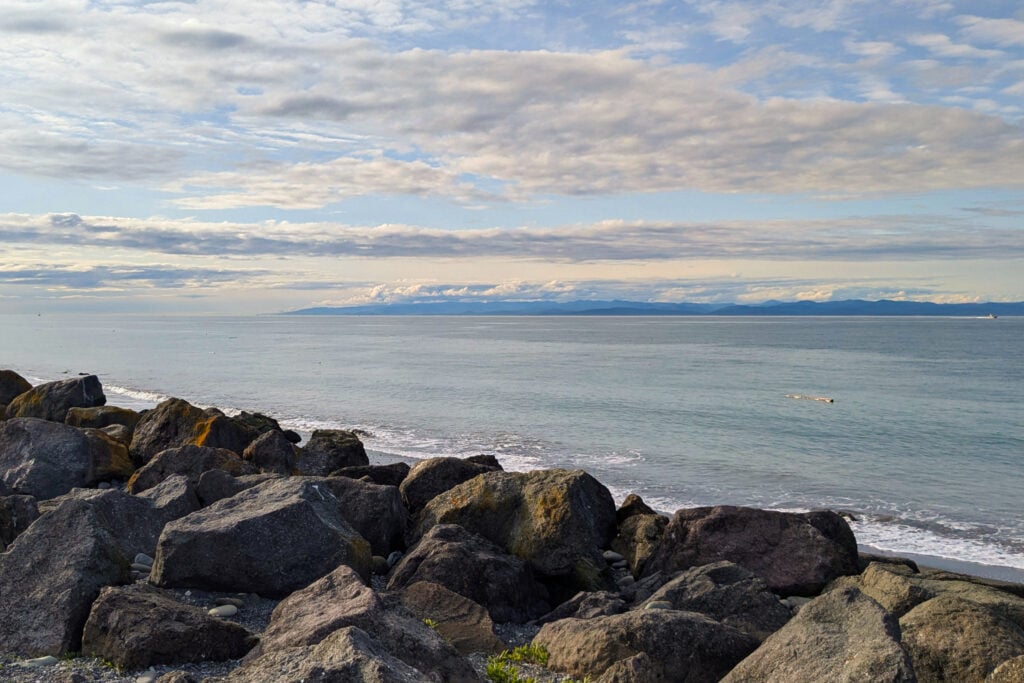
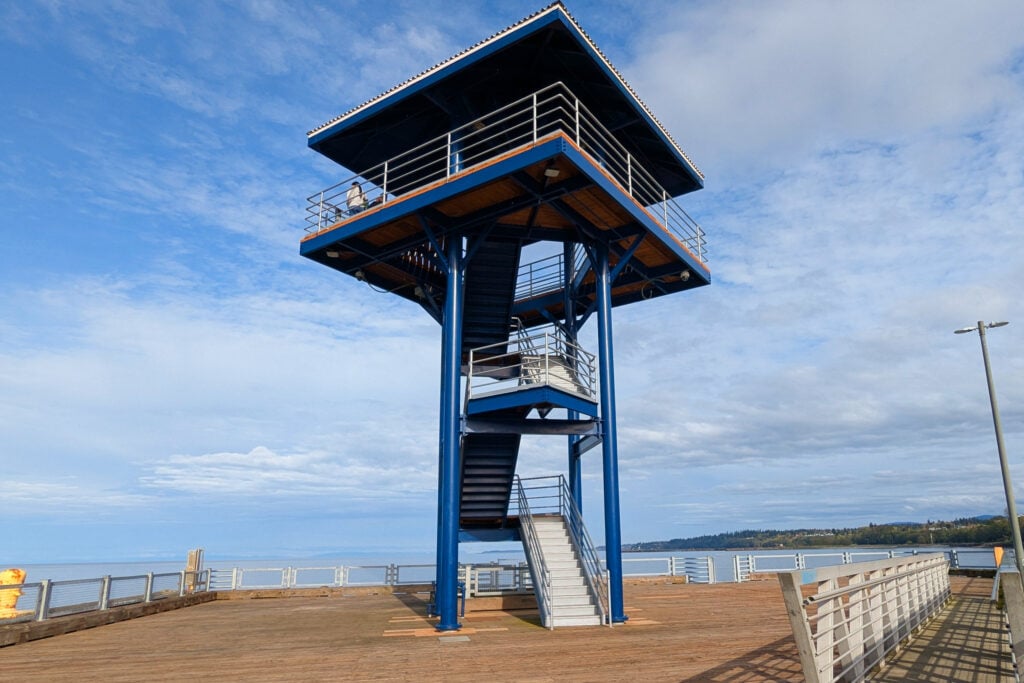
Explore the Port Angeles City Pier. At the pier, you can walk along the waterfront of Port Angeles. There is an observation tower you can climb to see over Port Angeles, with views of the Olympic Mountain Range and Mount Baker.
Feiro Marine Life Center is one of my favorite things I’ve done in Port Angeles. I highly recommend adding this stop if you have kids. The Marine Life Center is an immersive and educational experience where you learn about the creatures living in the bay. There are three touch tanks where you can interact with urchins, sea cucumbers, and sea stars. Admission is ~$6 per person.
Drive, walk, or bike to Ediz Hook. Ediz Hook is a 3-mile spit leading out into the Port Angeles Harbor. Seals and whales are often spotted playing in the bay area. It’s common for people to walk or bike the spit, but there is also a road with plenty of parking.
Optional Activities: Visit Tongue Point at the Salt Creek Recreation Area. Tongue Point is about 25 minutes west of Port Angeles. This area is known for incredible tide pooling and dramatic views of sea stacks along the coast. There is no fee for day use.
Where to Eat: Grayson’s Port Angeles is the go-to spot! People love the breakfasts, BLT, tacos, and the
seasoned fries.
Morning: Port Townsend
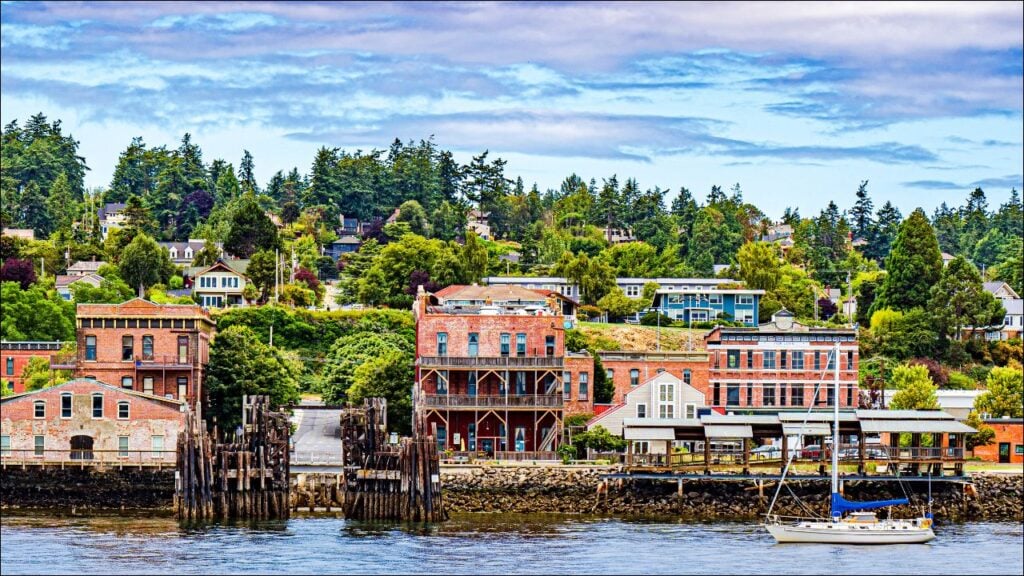
The last adventure of the Olympic Peninsula is to visit the quaint waterfront town of Port Townsend. Port Townsend is about an hour from Port Angeles and 2 hours from the SeaTac Airport.
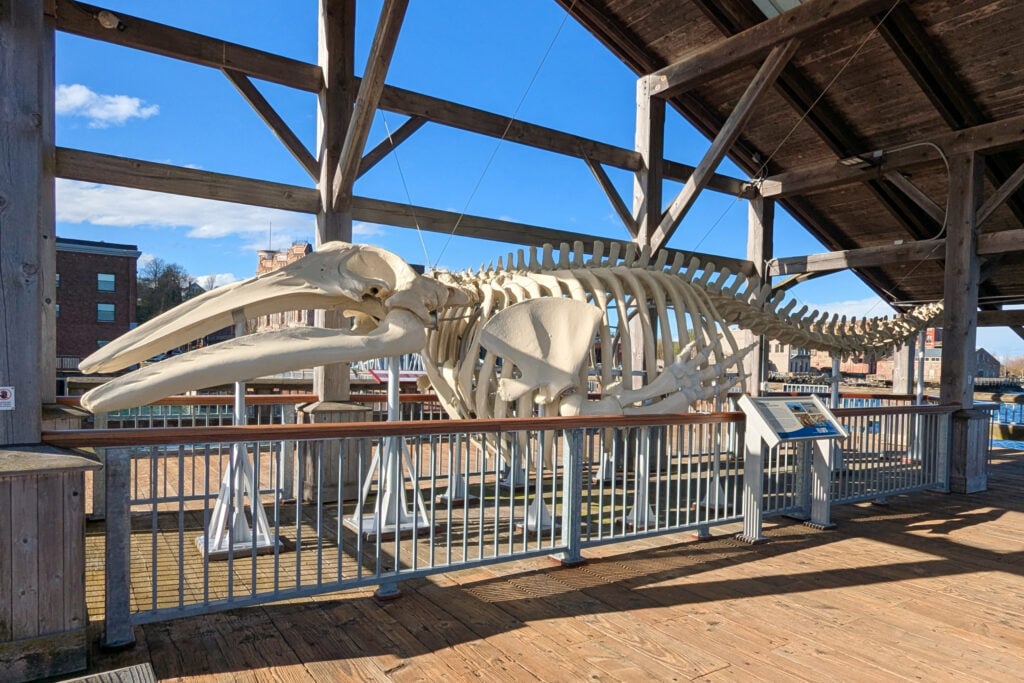
Start the morning by taking a walk down Water Street. Water Street is filled with locally owned restaurants, small gift shops, and art galleries. Plus, you get views of Port Townsend Bay on your walk. You can stop by the Union Wharf to view Gunther, a skeleton of a 42-foot gray whale that washed up on shore in 2019.
Check out the Northwest Maritime Welcome Center. This center houses exhibits telling you about the history of Port Townsend, how boating has shaped the town, and the native traditions of the area.
Optional Activities: Take a whale-watching tour through Puget Sound Express. They offer half-day, full-day, and 3-day guaranteed whale watching.
Where to Eat: Bayview Restaurant, situated right on Port Townsend Bay, has incredible views while also serving up delicious food.
-When to Start Your Days: To get the most out of your visit to the park and beat the crowds, I recommend starting your days early, especially when visiting the Hoh Rain Forest or Hurricane Ridge.
-What to Wear: Dressing for Olympic National Park is all about layers. Bring a sturdy rain jacket and waterproof boots. Check out our recommended gear.
-For Your Safety: Keep a distance from all wildlife and be aware of your surroundings as you hike in bear country.
-Road Conditions: Roads in the park can close unexpectedly due to a variety of reasons; always check the National Park Website to stay up-to-date on road conditions.
–Don’t Bring Your Doggo. While dogs are allowed in the campgrounds, they are not allowed on most trails throughout the park.
-Services Within the Park: Gas stations, food, restrooms
-Elevation Factors: Most of Olympic is at sea level, except for Hurricane Ridge,
which has an elevation gain of 5,000 feet over 18 miles.
-RV Restrictions: While RVs are allowed in most of Olympic National Park, there are some places with RV restrictions: The North Shore of Lake Quinault and Hurricane Hill Road at Hurricane Ridge.
–What if I Have Physical Limitations? There are easy beaches to access with physical limitations, like Rialto Beach and First Beach in La Push. Many of the hiking trails, while flat, have tree roots and stairs, so hiking may not be the best option for you.
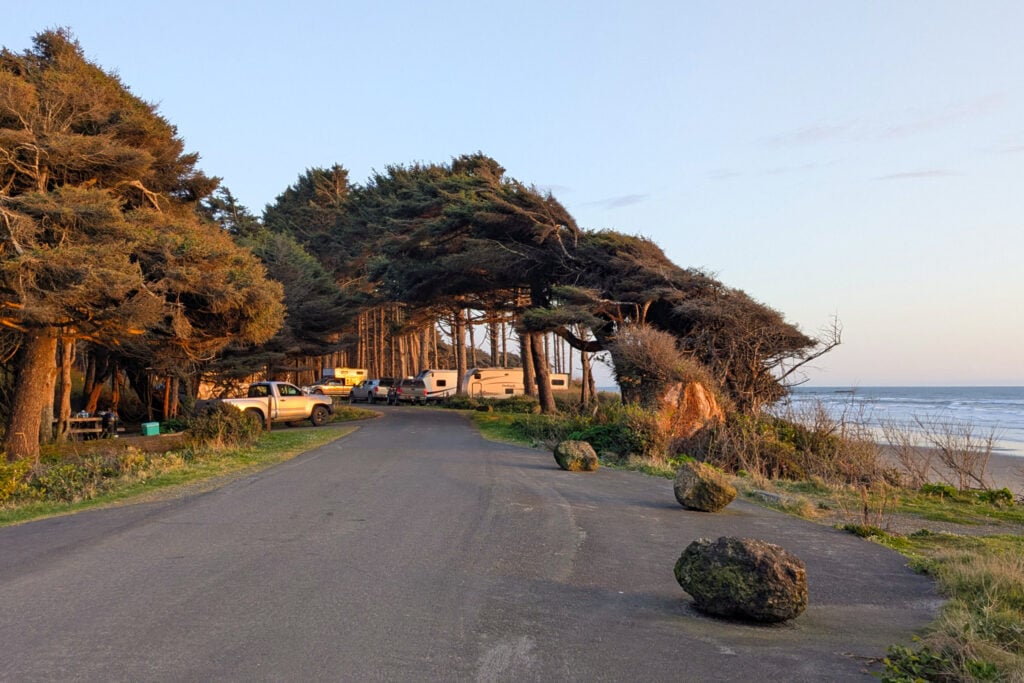
Olympic National Park has several campgrounds and lodges to stay at during your travels. My favorite campgrounds are the Kalaloch Campground, located right at Kalaloch Beach, and Fairholme Campground, which is located at Lake Crescent. For a full list of campgrounds and their amenities, check out my full blog post Best Places to Camp In and Around Olympic National Park.
Most people arrive at Olympic National Park by flying. There are two options for nearby airports.
If you choose to drive to Olympic National Park, you can approach the park from the south via the Oregon Coast or, from the east, via Seattle/Tacoma.

We’ve written a step-by-step guide for visiting Olympic National Park. This guide contains 32 pages with over 60 maps, charts, and images. We’ll walk you through every area of Olympic National Park with restaurant recommendations, tips for traveling, and amazing, can’t-miss hikes.
Which Entrance Should I Use to Visit Mount Rainier?
Best (and Worst) Times of Year to Visit Mount Rainier (+ Wildflowers & Reservations)
Quick and Easy Guide to Hiking in Mount Rainier
How to Visit Mount St. Helens: 9 Things To Do
Driving the Oregon Coast HWY 101: 10 Things to Know Before You Go