
Olympic National Park is a popular destination year-round. With miles of beaches, old-growth forests, and snowy mountains, there’s something to do in every season. Is there a bad time to visit, though? That answer really depends on what you are looking for on your trip.
The ideal time to visit is mid-May or late September. There are fewer crowds, more sunny days on average, and the majority of the park is open and accessible. Ultimately, the best time to visit is going to be based on 6 factors: 1) Your tolerance for unpleasant weather, 2) Tolerance for crowds, 3) Which area of the park you are visiting, 4)What activities you want to do, 5) Ease of access and accommodations, 6) Where else you are traveling to.
I’ve been traveling to Olympic National Park for years, visiting during every season. Below, I’ll tell you about my favorite time to visit the park and the worst times to visit, as well as things to do in each season.
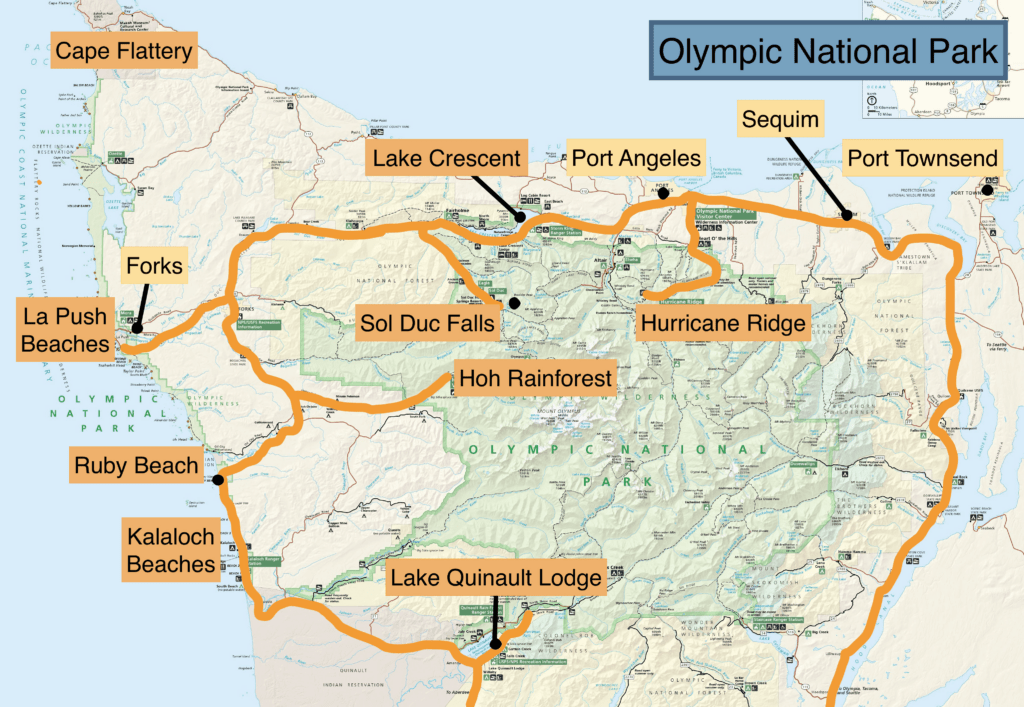
Olympic National Park is a vast wilderness with many different areas to explore. There are 3 main ecosystems in the park that each thrive during different seasons. Olympic has beautiful sandy beaches, old-growth forests that are part of a larger temperate rainforest ecosystem, and high-elevation mountains. Here are the 7 main destinations within Olympic National Park:
Hurricane Ridge gives you the easiest access to the Olympic Mountain Range, taking you above the tree line to a subalpine terrain. This is the highest point in the park, sitting at 5,242 feet. This area is accessed via Port Angeles, taking you 18 miles up the mountain on Hurricane Ridge Road. The road to Hurricane Ridge is open on weekends from November through April, and open daily from May through October.
Lake Crescent is one of two glacially fed lakes in Olympic National Park. Here, you can explore trails, hike to a waterfall, and partake in many water activities like kayaking or swimming. Lake Crescent is open year-round and typically hovers around freezing during the winter. Lake Crescent is located 30 minutes west of Port Angeles on Highway 101.
Sol Duc Valley is the gateway to healing waters. This area features Sol Duc Hot Springs and Sol Duc Falls. There are also many hiking trails here. The road to Sol Duc is open seasonally, with the road typically closing from mid-November through mid-March depending on snowfall. Sol Duc is located about an hour away from Port Angeles or Forks.
La Push and Mora are coastal areas of Olympic National Park located 20 minutes outside of Forks. This area has both hike-to beaches and sandy beaches with ease of access. Since this is a coastal region, they are open year-round, with winter temperatures sitting around 40°F. Winter does bring about 15 inches of rainfall per month here.
The Hoh Rainforest is located in a dense old-growth forest. This area is known to be one of the wettest low-altitude areas in the United States. It is also one of the most visited areas of Olympic National Park. While the Upper Hoh Road does not close for winter, it is common for snowfall to happen. Most winter days are sitting around 30-40°F, with about 15-25 inches of precipitation each month from November to March. The Hoh is located about 1 hour outside of Forks.
Kalaloch is located right on Highway 101, 40 minutes south of Forks. This area is along the coast, with 5 miles of beaches plus some coastal forest hiking trails. The winter weather along this coast is fairly mild, with almost no snow. The lows are typically in the mid-30s, with the highs being in the mid-40s. There is still a fair amount of precipitation during the winter, with storms dropping an average of 15 inches of rain per month.
Quinault Rain Forest is located at the southern end of Olympic National Park, about 1.5 hours away from Forks. Quinault is home to beautiful forested hikes, a glacially fed lake, and many waterfalls. This area experiences some snow during the winter, but the road stays open year-round. January is the coldest month here, with the low being around freezing. December is the wettest month, averaging around 25 inches of rain for the month.
Get our done‑for‑you, 2-5 day plan with exact drives and must‑see stops so you don’t waste time in traffic or miss the best views
Inside the guide:
*Step-by-step plan that will take you to the best mountains, beaches, rainforests, and lakes
*Exact time frames and star-ratings so you can make the best use of your time and money
*Best Friend Guarantee: Love it or get your money back
*Visiting more in the PNW? Save big $ and get guides for Olympic, Mount Rainier, the Oregon Coast, and the Columbia River Gorge with our PNW Bundle.
The only two weather factors to be aware of when visiting Olympic National Park are heavy rains and snow. Olympic gets an average of 120 inches of rain per year. During the summer, it only rains an average of 5 days per month. October through March, the park can receive 20+ rainy days per month.
May through October, temperature highs sit between 50-70°F with lows being around 40-50°F. From November through April, the highs are around 40°F, with the lows being around freezing.

As with most national parks, the busiest season is in the summer, especially during the weekend and holidays. It’s common for traffic to get backed up at the Hoh Rain Forest and Hurricane Ridge, with the possibility of the entrance being closed due to the parking lots being at max capacity. It can be hard to find solitude during this time as popular trails become overcrowded.
Visitor numbers significantly decrease from late September through April. The park is the least crowded in the wintertime.
If you are visiting in the busy season, also take into consideration the drive time getting to the Olympic Peninsula. If you are driving from Seattle or the SeaTac Airport, the drive time can double because Seattle is one of the top destinations for summer travel or holidays, like the 4th of July.
If you want to visit when every area of the park is open, May through October is the best time for you. The first snowfall of the season typically hits Hurricane Ridge in October. The road to Hurricane Ridge opens on weekends only from late November to April, weather permitting. The Sol Duc Hot Springs road also closes for winter; the dates for this closure depend on snowfall. It’s best to check the road conditions before you visit if you’re planning on traveling after October. The rest of the park is accessible year-round, weather permitting.
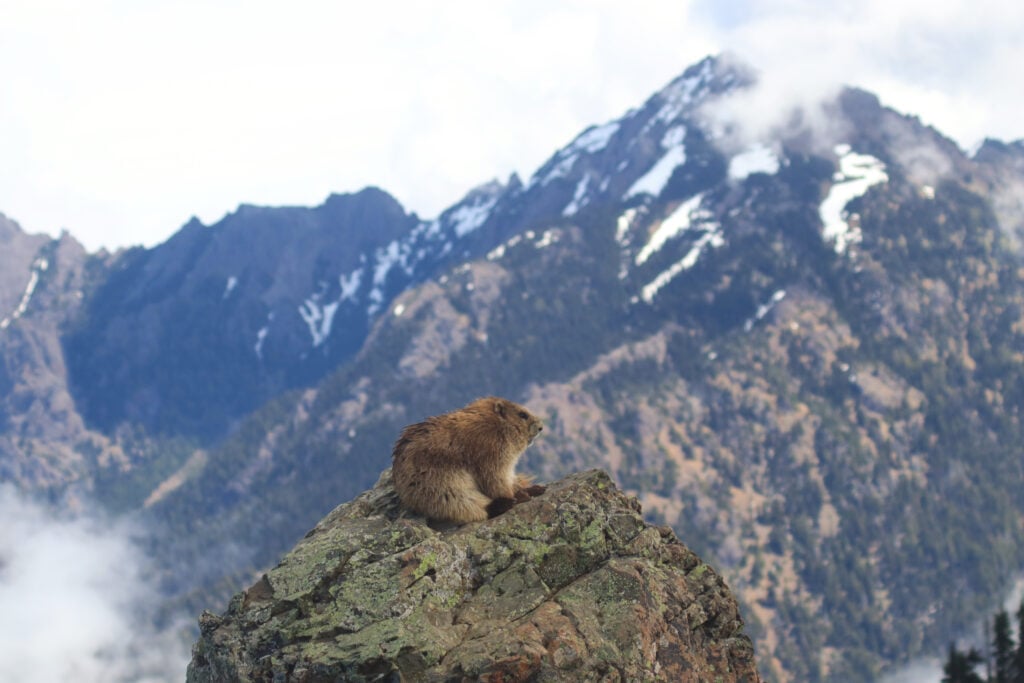
DON’T MISS: How to Get to Olympic National Park (Road Trip Ideas + Airports)
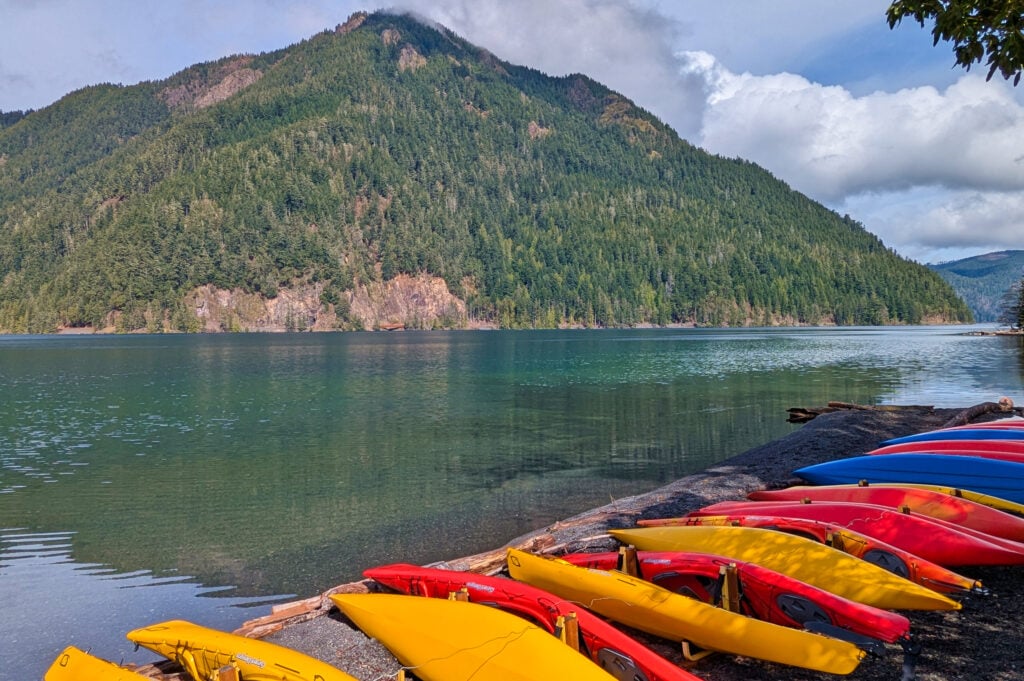
Hiking in Olympic National Park can be done year-round; however, the trails can be extremely muddy from fall to spring. Water activities like Quinault boat tours, kayaking, or swimming are best done during the summer months. If you want to visit Olympic for its beaches, this can be done year-round; however, from late fall to early spring, heavy rainfall drenches the coast, with severe storms possible.
CHECK OUT: A Perfect 6 Day Itinerary for Olympic (For First Timers)
A quick guide to choosing between the Oregon Coast, Olympic, Mount Rainier, and the Columbia River Gorge
*See what you can realistically do in the time you have (3-13+ days)
*Choose the RIGHT regions for you. Do you like to hike, relax, eat good food, take scenic drives?
*Avoid the classic PNW mistakes that waste hours in the car
While there are some campgrounds and lodging in Olympic National Park that are open year-round, there are a few that close for the winter.
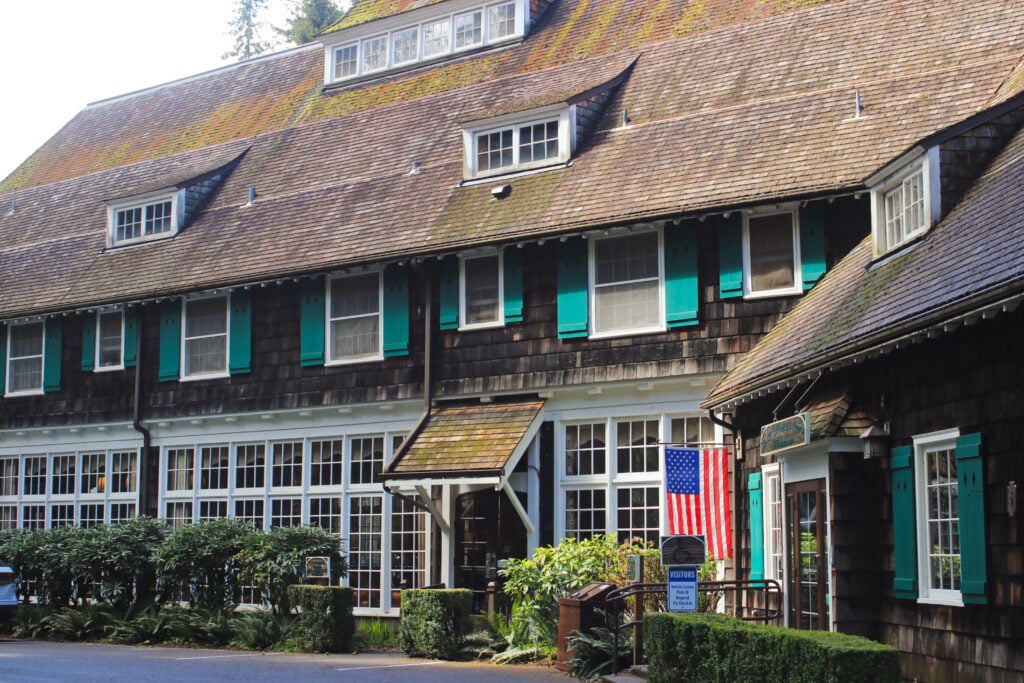
While most of Olympic National Park is accessible year-round, that may not be the case with other destinations on your road trip. It’s common for travelers to combine Olympic with a larger Washington National Park road trip, to include places like Mount Rainier or the North Cascades National Park. These other parks typically close their roads before Olympic because they are sitting at a higher elevation. So, you’ll want to plan your trip around when they are open. The best time to make this road trip would be June through October, as many of the roads in these parks are closed or snow-covered during the rest of the year.
If you want to combine a visit to Olympic National Park with the drive up the Oregon Coast, hitting popular spots like Cannon Beach, this drive can be completed year-round. The Oregon coastline has weather similar to the coast of the Olympic Peninsula. Expect more rain from late fall to early spring, but minimal snowfall.
Which Entrance Should I Use For Olympic National Park? Olympic’s 5 Entrances Explained
Driving in Olympic: 10 Things You Need to Know
Best Places to Camp In and Around Olympic National Park
7 Can’t-Miss Hikes in Olympic National Park: A Quick and Easy Guide
Where to Eat In and Around Olympic National Park
Each season in Olympic National Park offers much to see and do. If snowy conditions and winter sports like snowshoeing and skiing are your thing, winter is the optimal opportunity for you to explore. If you like the moody, rainy forests and coastline, you’ll want to visit from fall through spring. If clear sunny days with the most hiking opportunities excite you, then summer is the ideal time for you. Below, I’ll break down each season with the pros and cons of each one, so you get a better idea of when the best time is for your visit to the park.
| Go in April/May or Sept/October if… | Go in June, July, or August if… | Go November-March if… |
| *You enjoy fewer crowds | *You can handle high crowds | *You want to avoid crowds |
| *You don’t mind rainy days | *You want the best weather | *You don’t mind rainy, muddy hikes |
| *You prefer not to make camping reservations in advance | *You want full access to campgrounds and lodging | *You are okay with being flexible with your accommodations |
| *You are okay with some parts of the park being closed | *Want ease of access to every portion of the park | *You are okay with having limited access to parts of the park |
| *You want to experience rivers and waterfalls peaking during snowmelt | *You want access to watersports like kayaking and paddleboarding | *You want to participate in winter sports activities. |
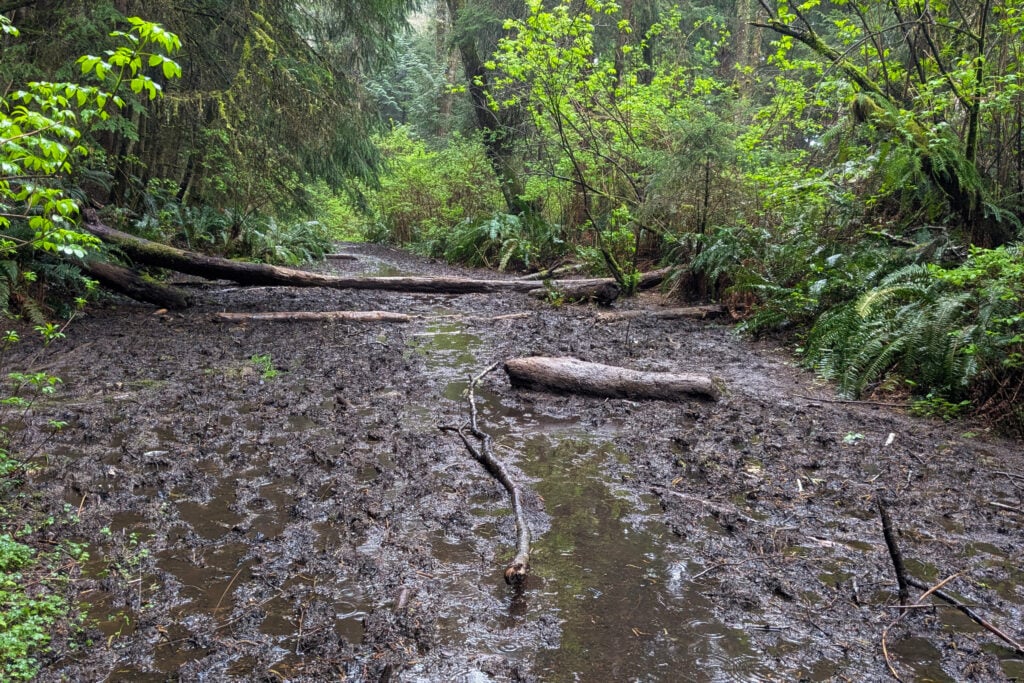
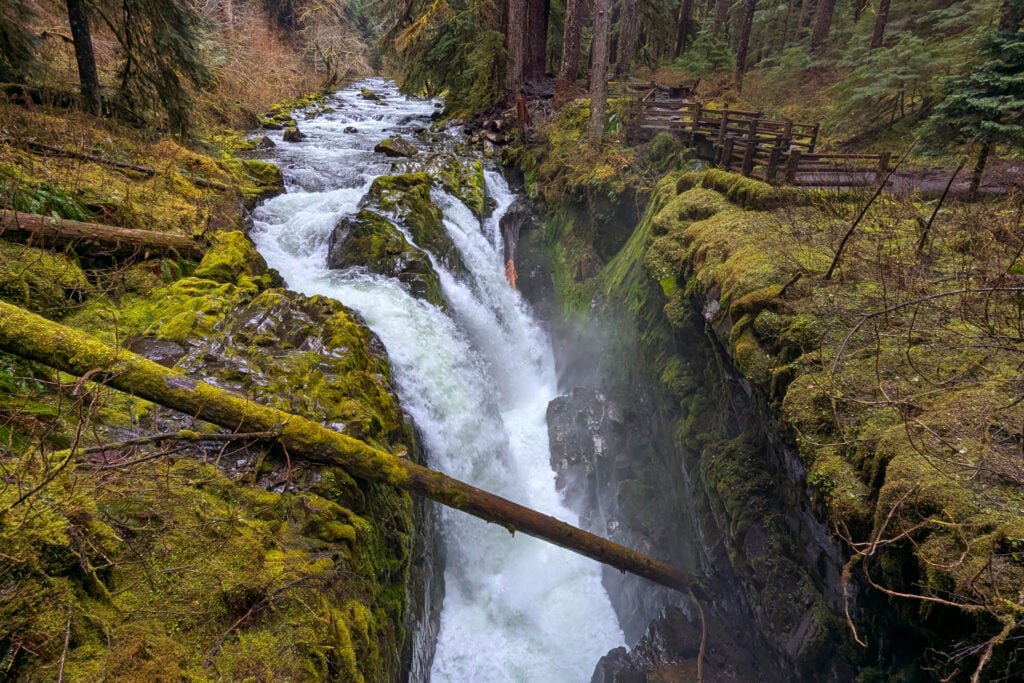
Spring is one of my favorite times to visit Olympic National Park. The forests start to thaw out, bringing wildflowers and less rainy days. Visiting in spring means having to be flexible with your plans; weather and road closures can be unpredictable during this time.
Spring is the best time to visit many destinations throughout the park, like the Quinault Rain Forest, Hoh Rain Forest, and the beaches in Olympic like Kalaloch and La Push. While trails are a bit muddy, crowds are limited, and the forests are thriving after months of rain and snow.
Spring isn’t the ideal time to visit Hurricane Ridge or the Sol Duc Valley. During this time, the snow isn’t fully melted, so only the main parking lot is accessible at Hurricane Ridge, making it hard to access some of the more popular trails, like Hurricane Hill. Also, the Hurricane Ridge Shuttle doesn’t start running until late May. Sol Duc Valley may not be accessible until late March or April because of road closures due to snow.
13 road trip ideas across the West so you know where to go, how long to stay, and what to see
*Sample routes from 4–31 days across national parks and hidden gems
*Driving times + best stops so you don’t miss the good stuff
*Season + weather notes to avoid closed roads and peak‑crowd days
*Lodging ideas in the right spots so you cut backtracking
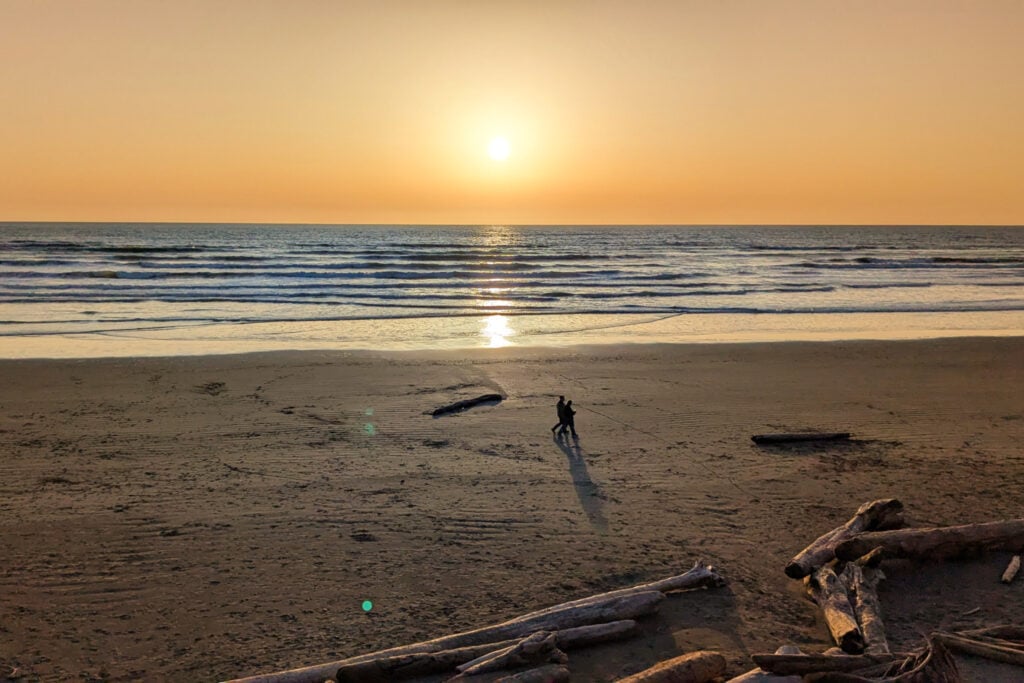
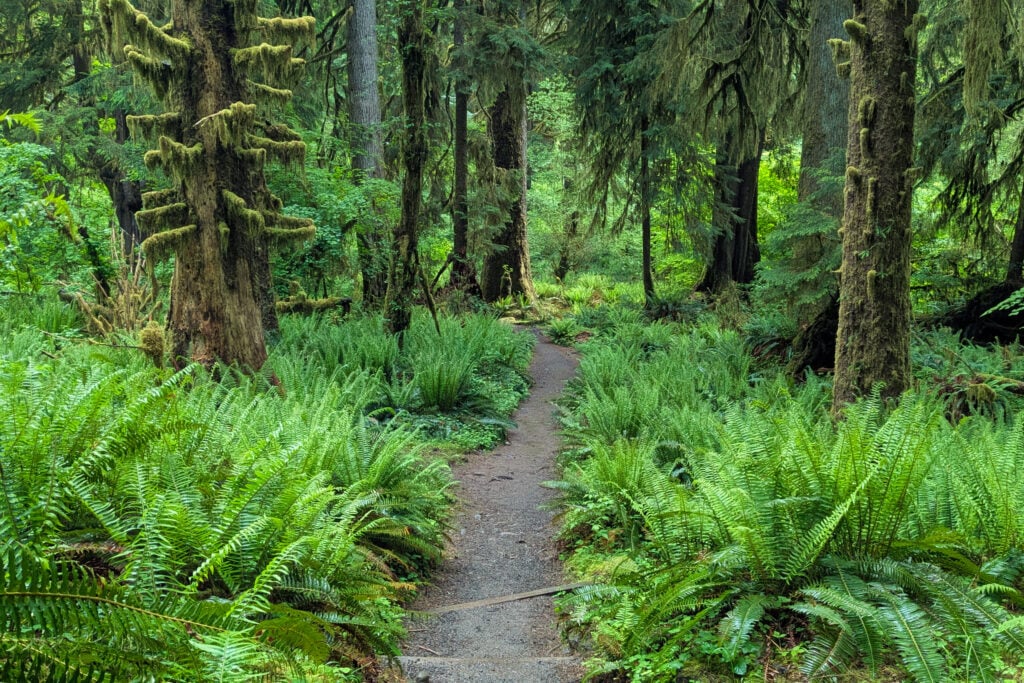
Summer is the most popular time to visit Olympic National Park, with 500,000+ visitors each month from June to September. The weather is beautiful, the park is fully accessible, and the forests are teeming with life during the summer months.
Summer is the best time to visit for sunny days and to have access to every area of Olympic National Park, unless there are road closures due to other factors.
Summer is the worst time to visit if you prefer solitude and hiking in less populated areas. While more of the park is accessible, there can be higher wait times to access the entrance stations at the Hoh Rain Forest and Hurricane Ridge.
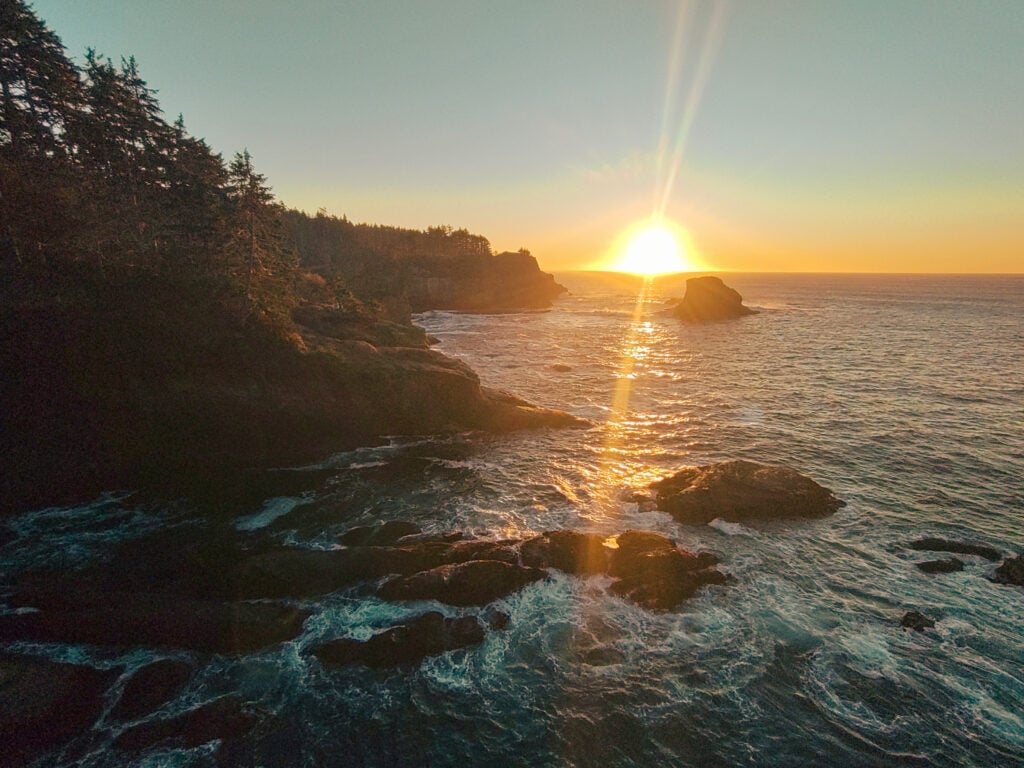
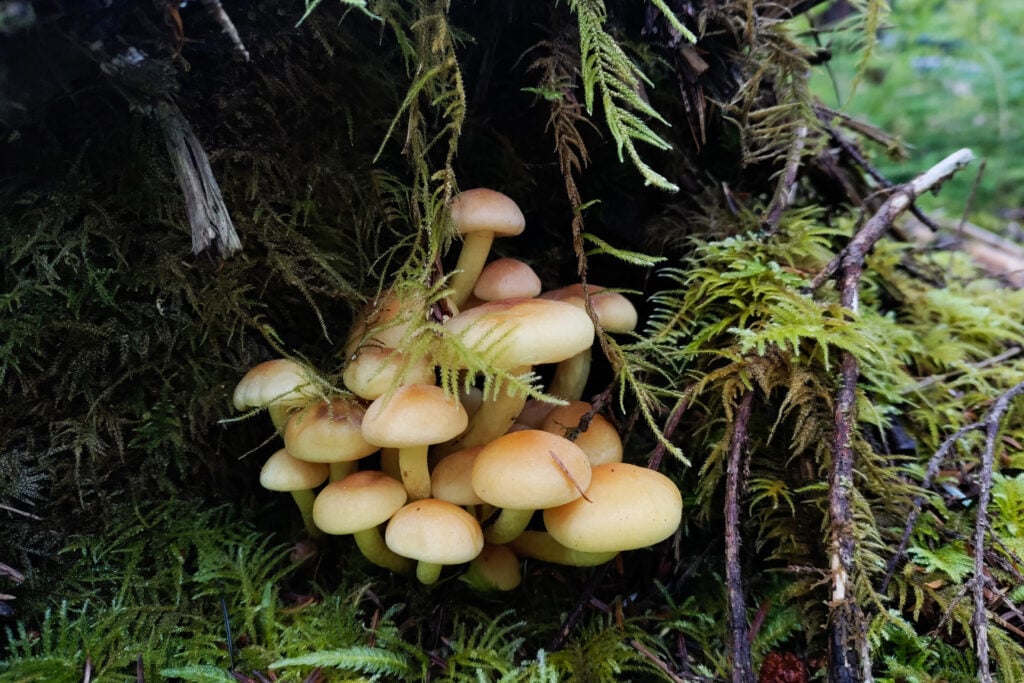
While September can be fairly busy for the fall months, visits start to significantly decline between mid-September and October. Rainy days are more frequent, temperatures cool down, and the foggy days return. Fall still offers much to do without having to fight the crowds.
Fall is the best time to visit if you prefer cooler days and don’t mind the rain. In the fall, the park is still fully accessible, with all entrances open through November.
Fall is the worst time to visit if you want all visitor centers and campgrounds to be fully accessible. During September, the Fairholme Campground closes for the season, meaning staying the night at Lake Crescent is not possible without booking a site through an out-of-park campground. Visitor Centers also shut down or shorten their hours in September.
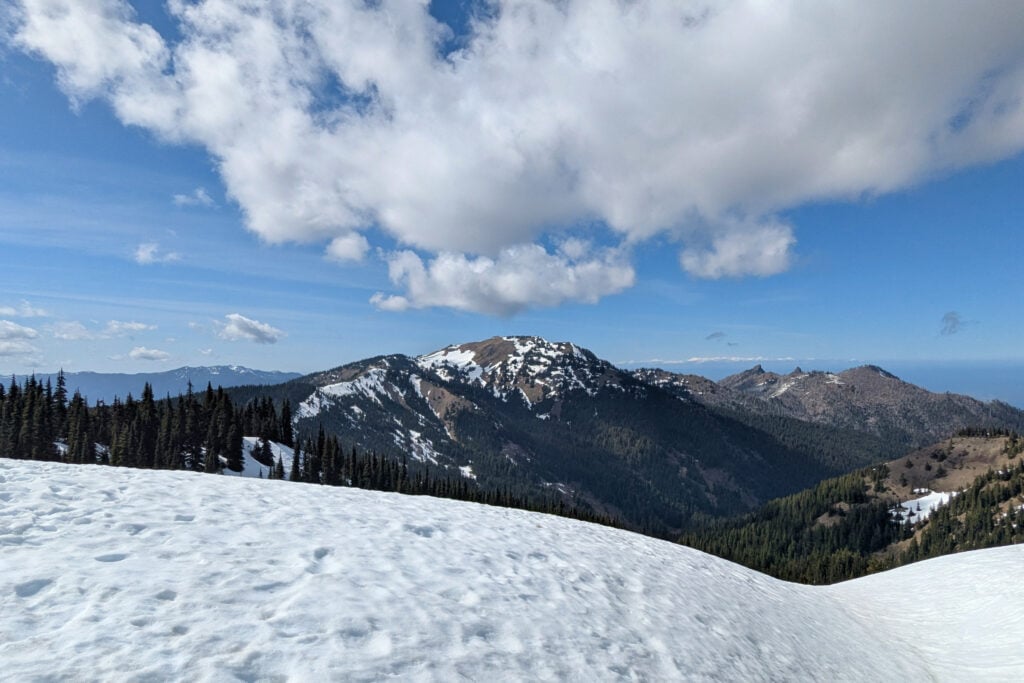
Winter is the season with the least number of visitors. While you can enjoy snow in the park, the lower elevations are still accessible with hiking opportunities or beachcombing. The temperatures around the coast hover above freezing, making it a chilly time to visit. Just bring lots of layers. Winter rewards you with much solitude and a dramatic wilderness.
Winter is the best time to visit if you enjoy snow sports or if you enjoy secluded rainy day hikes. The beaches, like Kalaloch and La Push, are still accessible. The Quinault Rain Forest and Hoh Rain Forest remain open during the winter, weather permitting.
Winter is the worst time to visit if you don’t like cold, rainy days. This is also the worst time to visit if you want ease of access to the Sol Duc Valley or Hurricane Ridge. These areas get heavy snow and are not open throughout the entire winter.
HELPFUL TIPS: If you are planning to camp around the park, be sure to pack a waterproof tent or bring a tarp for the rainy nights. Always bring plenty of layers, including rain jackets, as the weather can be unpredictable and wet.
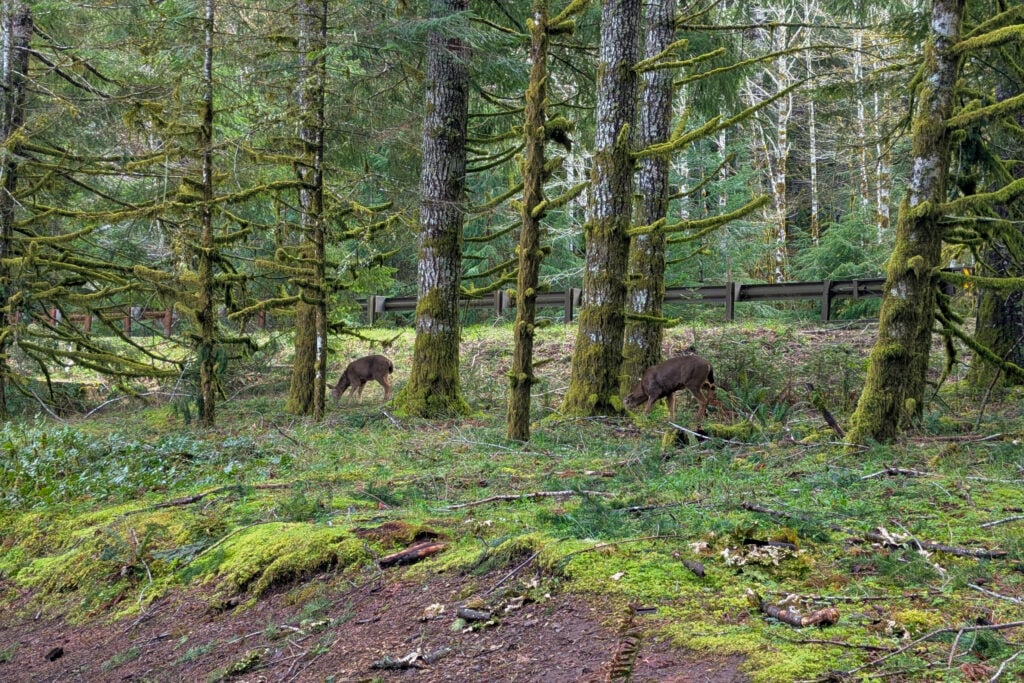
My ideal time to visit Olympic National Park would be the third week of September through the first week of October. During this time, the crowds have subsided, and you get foggy mountains and dramatic coastlines. Plus, finding accommodations is easier because you don’t have to prebook your campsites. There’s less construction during this time, and all areas of the park are open.
Get our done‑for‑you, 7‑17 day route with exact drives, maps, and must‑see stops so you don’t waste time in traffic or miss the best views
Inside the guide:
*Day‑by‑day plan for Olympic, Mount Rainier, the Oregon Coast, & the Columbia River Gorge
*Details You Need: Time frames, driving routes, and where to sleep each night to reduce backtracking
*Best Friend Guarantee: Love it or get your money back
The worst time of year to visit Olympic National Park would be weekends during the summer, especially any holidays during the summer. Thousands of people flock to Olympic during the warmer months to enjoy its refreshing waters and ease of access. Times to avoid are:
If you have to visit in the summer months, I suggest traveling on the weekdays to avoid long wait times at the entrance stations.

Regardless of when you choose to visit Olympic National Park, there is a lot to experience year-round. If you’re looking for a step-by-step guide on everything you need to know before your visit to the Olympic Peninsula, check out our itinerary. This guide gives you everything you need, from campground recommendations, hikes to do, and restaurant ideas. Plus, there are over 60 maps included of the area.
OLYMPIC TRIP PLANNER: To read or watch all of our content about Olympic National Park, check out our Olympic Homepage
THINGS TO DO: Don’t miss all that Olympic has to offer, including hikes, Lake Crescent, Kalaloch and Ruby beaches, the Hoh Rain Forest, Hurricane Ridge, and Sol Duc Hot Springs.
WHERE TO EAT: Don’t miss the best places to eat in Olympic National Park
GREAT CITIES TO STAY OR CHECK OUT: Learn about where to camp when visiting Olympic plus things to do in Port Angeles, Port Townsend, Sequim, and Forks.
KNOW BEFORE YOU GO: Find out how to get there, the best time to visit, which is the best entrance, and all about driving around Olympic