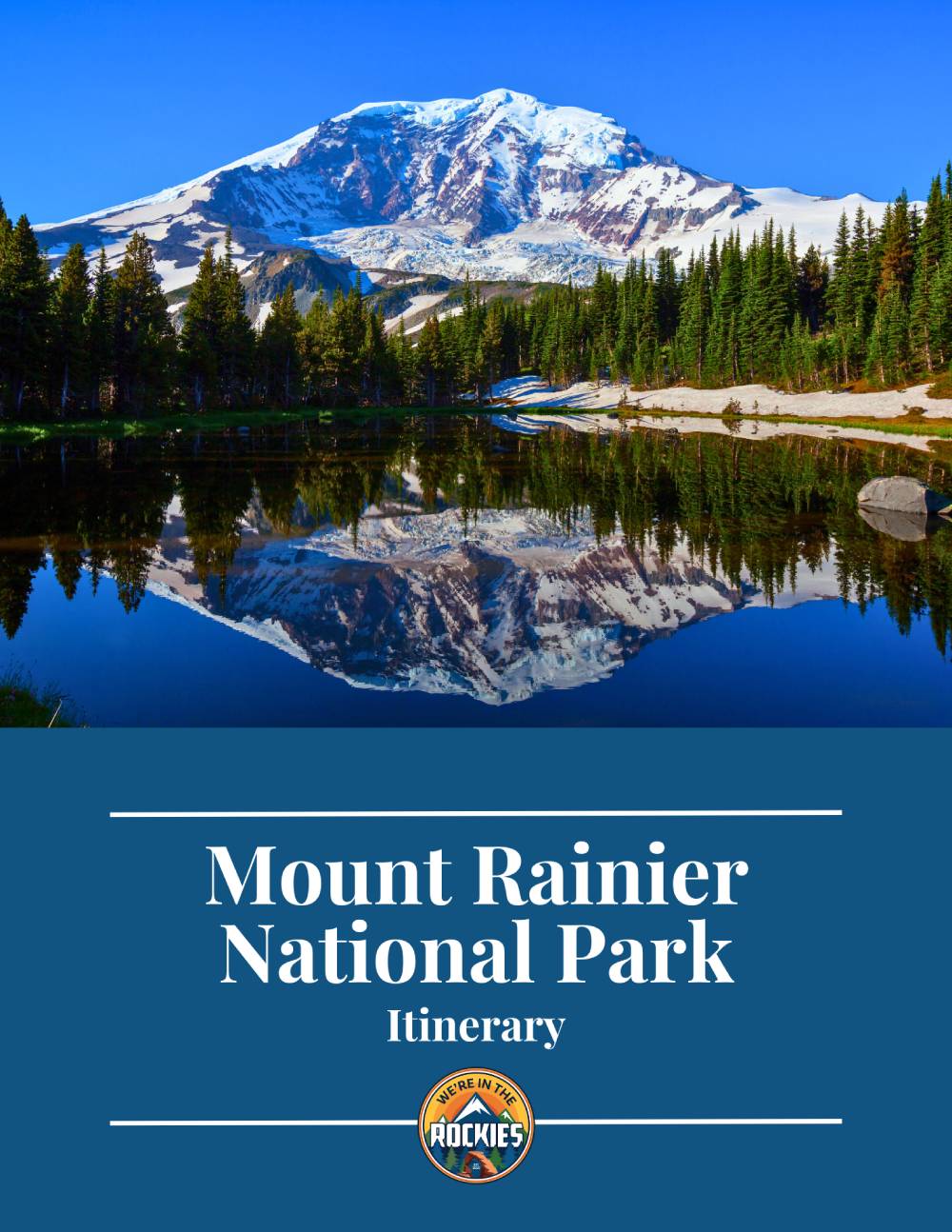
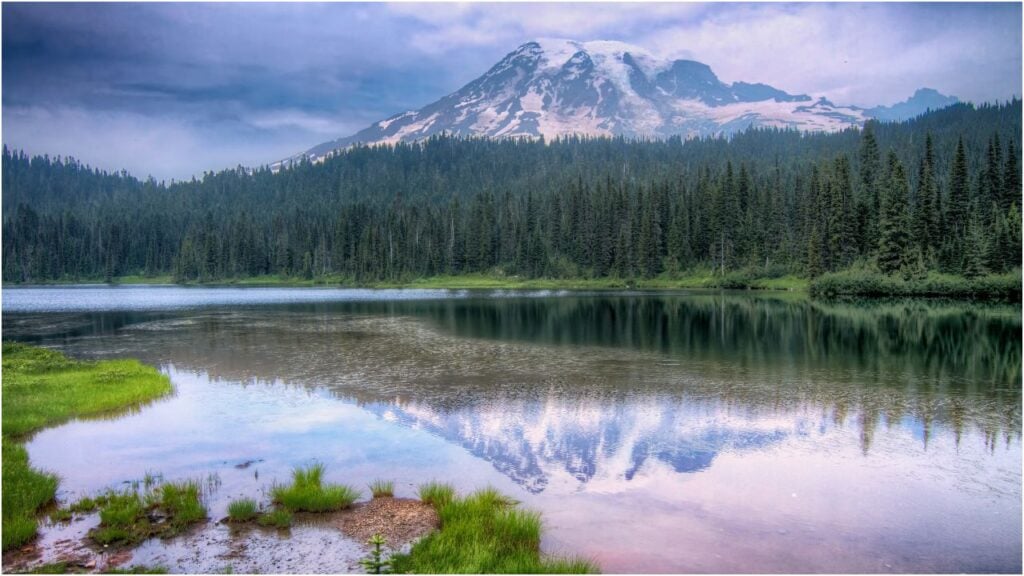
Sitting at 14,410 feet above sea level, Mount Rainier is the tallest mountain in the contiguous United States. It also receives over 55 feet of snow per year, making it one of the snowiest places on earth. Yet, when the snow melts and the mountain valleys begin to open up, this National Park is perfect to add to any road trip itinerary. With hiking trails, alpine lakes, and wildflowers galore, Mount Rainier should be on anyone’s must-visit list.
When visiting Mount Rainier, you will most likely need two days to visit the park, as the drive to/from the park is going to take up half a day in total. Two days also gives you the best ability to see the major areas of the park, the Paradise and Sunrise Corridors!
My name is Lukas Gott, and I worked in Mount Rainier in the summer of 2024. Follow along for your perfect trip to Mount Rainier!
Which Entrance Should I Use to Visit Mount Rainier?
Driving in Mount Rainier: 10 Things You Need to Know
Quick and Easy Guide to Hiking in Mount Rainier
Best (and Worst) Times of Year to Visit Mount Rainier (+ Wildflowers & Reservations)
Best Places to Camp In and Around Mount Rainier
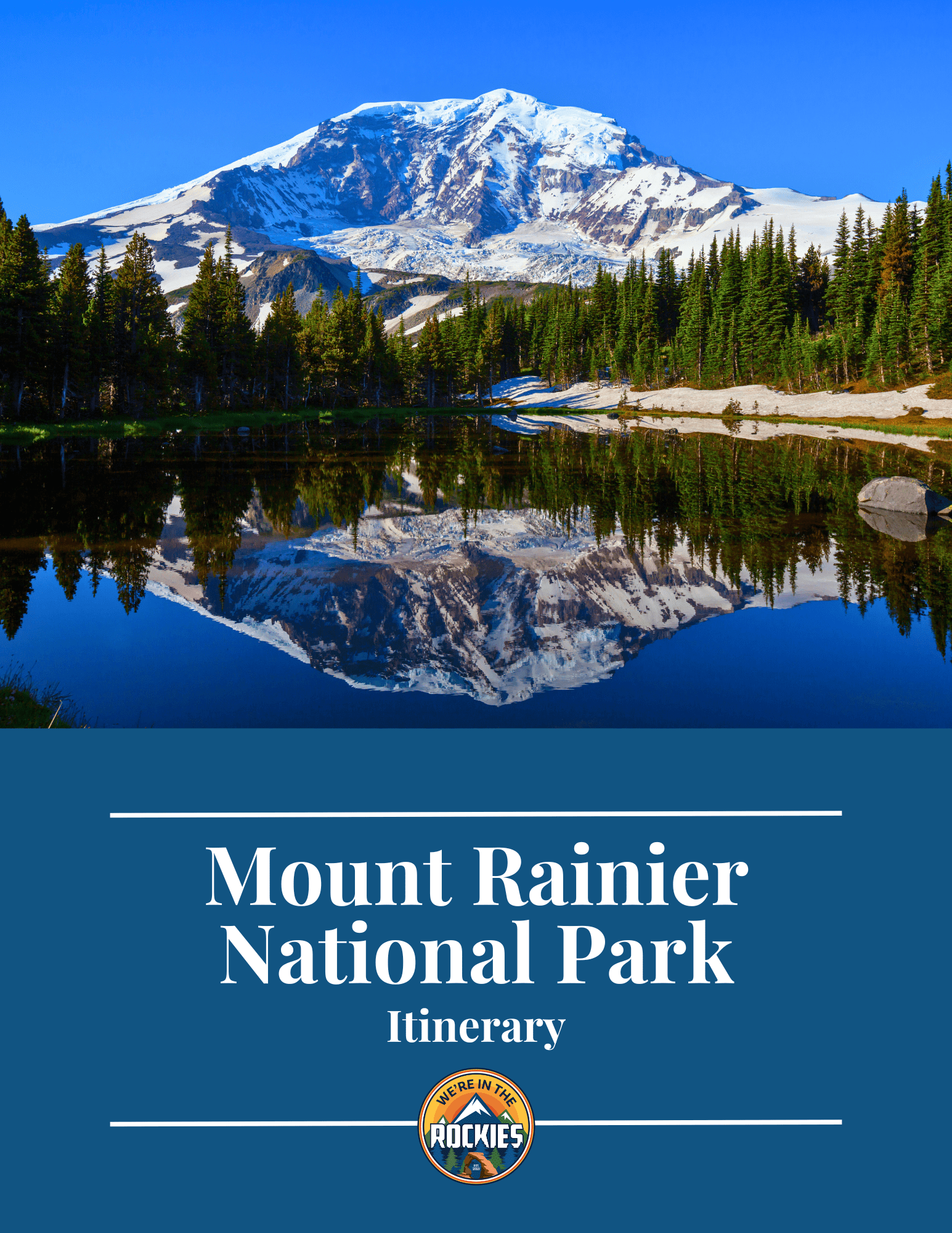
Get our done‑for‑you, 2-3 day plan with exact drives and must‑see stops so you don’t waste time in traffic or miss the best views
Inside the guide:
*Step-by-step plan that will take you to the best hikes, drives, wildflowers, and waterfalls
*Exact time-frames and star-ratings so you can make the best use of your time and money
*Best Friend Guarantee: love it or get your money back
*Visiting more in the PNW? Save big $ and get guides for Olympic, Mount Rainier, the Oregon Coast and the Columbia River Gorge with our PNW Bundle.

Mount Rainier is located in the Southwest corner of Washington and has easy access to other road trip destinations such as Seattle, Portland, Olympic National Park, and North Cascades National Park. We’re going to discuss every area of the park, along with a few road trips and distances, to plan out an easy in and out trip to Mount Rainier National Park.
The Paradise Corridor: The main destination at Mount Rainier. The true Paradise area reigns as the crown jewel of this area. Paradise features the beautiful Skyline Trail, fields of wildflowers, and plenty of activities.
The Sunrise Corridor: The queen to the king, Sunrise is equally as beautiful and features many of the top hikes in the park. It’s best at Sunrise, so don’t miss it.
Stevens Canyon Road: This road features Box Canyon, Silver Falls, Reflection Lake, and much more! It’s hard to miss as it connects the journey from Paradise to Sunrise.
Longmire: Hidden suspension bridges, old-growth forests, and plenty of its trails. Before Paradise, there was Longmire, and its historic buildings and rustic nature are worth a visit.
Ashford: One of the gateway towns to Mount Rainier, a place full of Rainier Cherry stands and mountaineering history. Make sure to stop at Whittaker’s basecamp to get some of the best history on climbing Mount Rainier!
Packwood: The other gateway town into Mount Rainier. Packwood features great restaurants and accommodation. It’s perfect if you’re looking to bridge the gap between Paradise and Sunrise.
Ohanapecosh: An area featuring a dense, thick forest, scattered with mushroom growth. It also has a great campground and many trails of its own.
Crystal Mountain: The largest ski resort in Washington, with a gondola ride to the top. For a place renowned for its yearly snowfall, it might be worth a winter stop.
Luckily for travelers, Washington’s three main National Parks line up in somewhat of an off-center line on the Western coastline. So, whether you’re beginning in the north or the south, following this trip should make for little lost ground when visiting these National Parks.
Experience the Pacific Northwest like never before with our ultimate bundle! If you’re taking a road trip, check out our Pacific Northwest Bundle, which includes itineraries for Mount Rainier, Olympic, and the Columbia River Gorge, as well as an overview to show you how to combine all three for an amazing 10 to 11-day road trip.
This trip may not be as straightforward as the last, but my goodness, would it be the trip of a lifetime. As someone who has visited and worked in many of these parks, all are just as beautiful and worth seeing as advertised. The trip could begin from the east or the west, and while all these parks aren’t totally in line, taking a slight detour north to Glacier and the North Cascades would be worth the gas if it meant never seeing mountains the same way ever again.
THINGS TO DO IN THE PARADISE CORRIDOR: Skyline Trail Loop, Comet Falls, Reflection Lake, Myrtle Falls, Carter Falls, Box Canyon, Silver Falls, Bench/Snow Lake,
Paradise Inn Piano Experience, Paradise Night Sky Program
THINGS TO DO IN THE SUNRISE CORRIDOR: Mount Fremont, Burroughs Mountain, Naches Peak, Tipsoo Lake, Dege Peak, Palisades Lake Trail

This itinerary is for the use of those on a tight weekend schedule. Two days to visit, and then it’s time to go home. I’ll be squeezing in as many activities as possible, with a bit of relaxation time, of course, but prepare for a full weekend of enjoying Mount Rainier!
This itinerary is also intended to be used in mid-summer, when Mount Rainier is prime for outdoor activities and its ecosystem is in full bloom.

The morning of arrival can be dependent on the direction you’re visiting from. To clarify things before we start, follow the itinerary from start to finish if you’re visiting from the West, but if you’re visiting from the East, simply take the trip backwards.
Starting from the West, the first gate you’ll meet is the Nisqually Entrance. I highly recommend entering the gate as early in the morning as possible, so we’ll begin this trip at 8 A.M. Before entering the gate, stop at a Rainier Cherry stand (the best midday snack after a hike).
8:00 AM: After smoothly making it through the Nisqually Entrance (there may be a small wait, but nothing compared to the wait the previous timed entry system created), you’ll head straight to Paradise Inn. I highly recommend stopping at Christine Falls or Glacier Bridge for a quick pit stop.


9:30 AM: Once you’ve arrived at Paradise (and find a parking spot), head to the trailhead next to the Guest Center and head straight. You will now be on Mount Rainier’s best hike, The Skyline Trail Loop. If you’ve planned for wildflower season, keep an eye out for the wildflower gardens sprouting (they’re everywhere on the property and on the trails, don’t worry about missing them).

2:00 PM: The Skyline Trail Loop takes approximately 3-4 hours to complete, and I highly recommend taking your time. There are also many interconnecting trails or shortcuts to make this trail shorter if a whole-day trek isn’t necessary.


Nonetheless, you’ll be hungry when you finish, and I highly recommend packing a lunch. If it’s too late, Paradise Inn and the Guest Center do have food available (make sure to check out my review on Paradise Inn before committing to lunch on the mountain). If you’ve got a packed lunch or food to go, jump back in the car and head to Reflection Lake for lunch.
4:00 PM: This is probably a safe time to head back to Paradise for parking reasons. Grab a hot or cold drink from the coffee shop or lobby server. Once a relaxed beverage is acquired, either sit back and listen to the historic piano being played in the beautiful Paradise Inn Lobby or take a quick evening walk to Myrtle Falls.
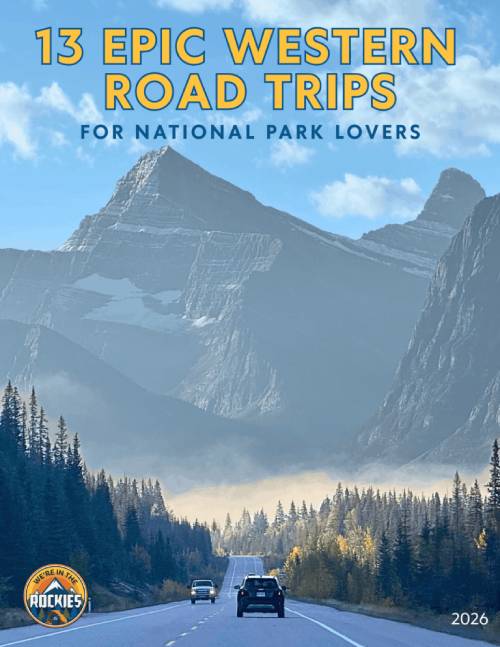
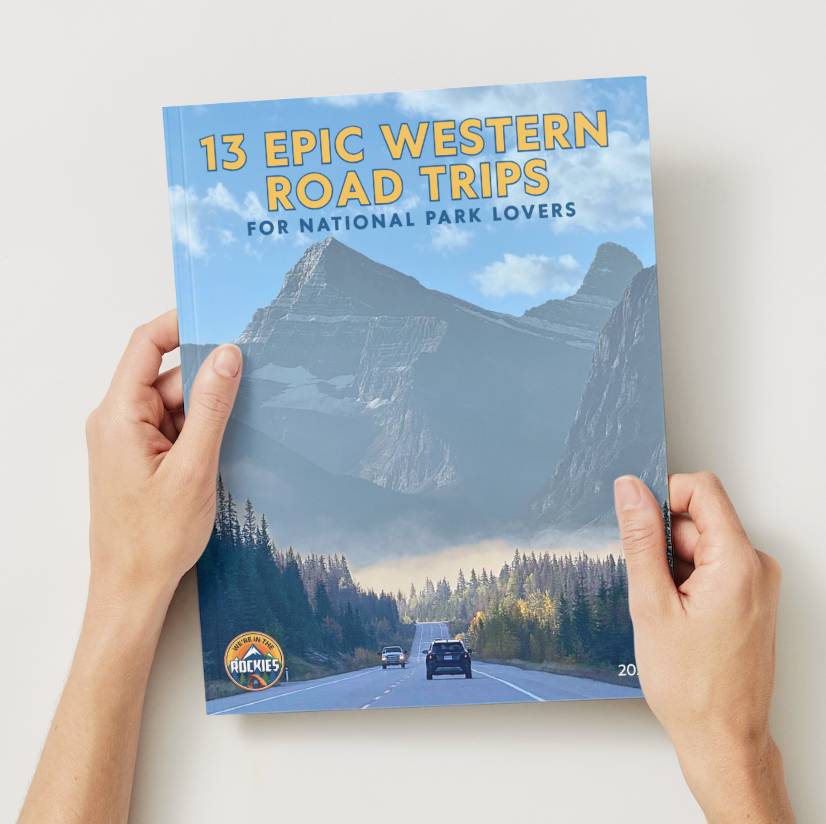
13 road trip ideas across the West so you know where to go, how long to stay, and what to see
*Sample routes from 4–31 days across national parks and hidden gems
*Driving times + best stops so you don’t miss the good stuff
*Season + weather notes to avoid closed roads and peak‑crowd days
*Lodging ideas in the right spots so you cut backtracking


7:00 PM: It is now time to go home for the night. And if you’re not ready, keep an eye out for the Paradise Night Skies Program, which happens every weekend night in July. Park Rangers put out large telescopes at 9:45 and give lessons on the prominent stars covering Mount Rainier.
Speaking of the next day…
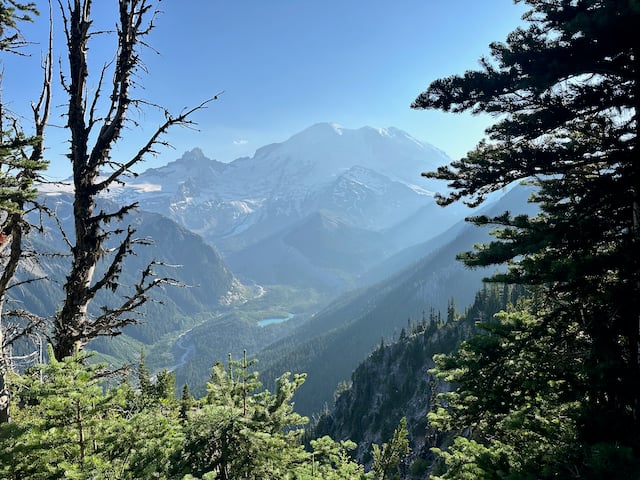
7:00 AM: It’s another early morning, mostly due to the White River Entrance timed entry system at the time of this writing. If you missed your timed entry ticket, getting into the park gates before 7:00 am is the best option, but booking ahead of time for the 7:00 am to 9:00 am entry time is the best course of action.
Check the Mount Rainier National Park website for updated timed entry information.
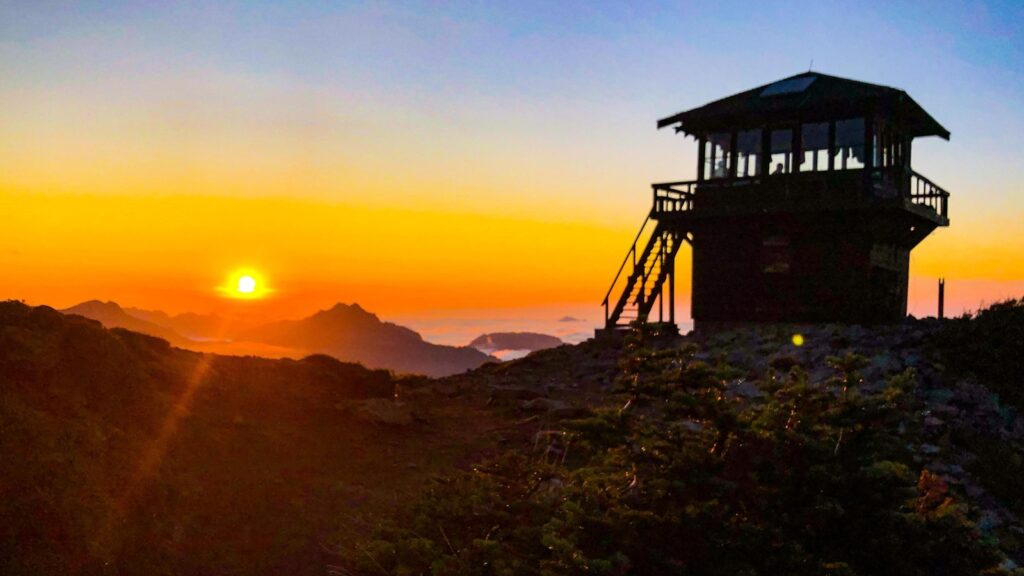


9:00 AM: Today’s activity is the Mount Fremont Fire Lookout. The hike is 6 miles with 1,000 feet of elevation gain to a beautiful fire lookout overlooking the entire Sunrise Valley and Mount Rainier’s mighty glaciers. If you’re not tired after yesterday’s hike and this one, I salute you.
2:00 PM: Like I said, you’re probably exhausted. It’s time to head back into Packwood. Grab some grub at Cliff Droppers or Packwood Brewing Company.


4:00 PM: If you’ve still got the juice for one more activity, drive to Silver Falls Loop just outside the Stevens Canyon Entrance in Ohanapecosh. It’s a quick drive from Packwood and makes for a chill, relaxed walk to explore the evening.
6:00 PM: The end of our trip, relax, enjoy the natural beauty Mount Rainier has to offer. Maybe get a beer in Packwood?
Get our done‑for‑you, 7‑17 day route with exact drives, maps, and must‑see stops so you don’t waste time in traffic or miss the best views
Inside the guide:
*Day‑by‑day plan for Olympic, Mount Rainier, the Oregon Coast, & the Columbia River Gorge
*Exact times, routes, and photo stops
*Best Friend Guarantee: love it or get your money back


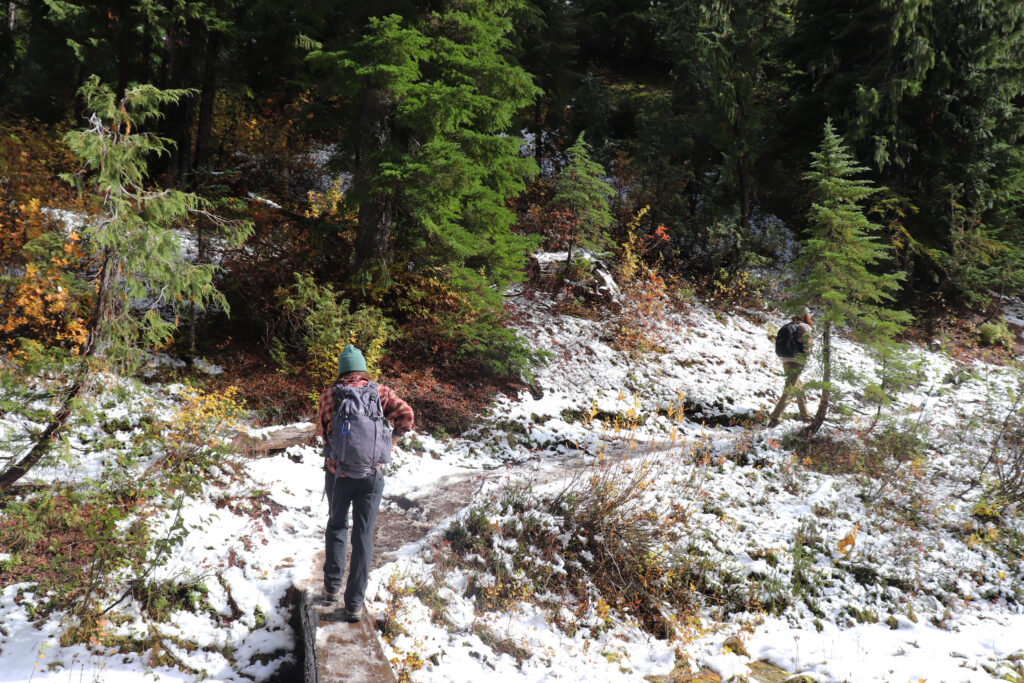
If you’ve got another day to be in Mount Rainier, don’t worry, there’s still plenty to see and do. For the third day, we’ve got two options.
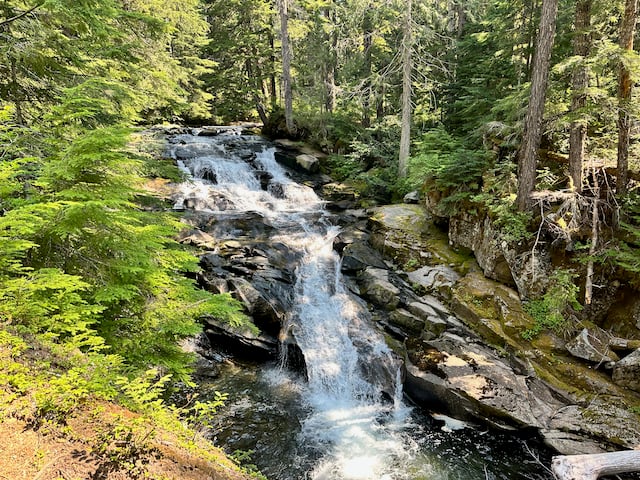
Firstly, Comet Falls is a 3.5-mile hike to a beautiful waterfall with a cascading river below it. This hike isn’t necessarily easy, but if you’re willing to push yourself on the third day, it’s a beautiful hike to take. Comet Falls is back on the Longmire side of the park, so if you’re staying in Packwood, be prepared to pack up early to get there.
The second option is Snow and Bench Lakes, an easy 2-mile hike to two beautiful lakes that overlook Mount Rainier and the Cascade Mountain Range. Bench Lake is especially known for its picture-esque reflective image of Mount Rainier. Snow Lake is also probably the best lake to take a swim in the park.

A quick guide to choosing between the Oregon Coast, Olympic, Mount Rainier, and the Columbia River Gorge
*See what you can realistically do in the time you have (3-13+ days)
*Choose the RIGHT regions for you. Do you like to hike, relax, eat good food, take scenic drives?
*Avoid the classic PNW mistakes that waste hours in the car
When to Start Your Day: As early as possible! Mount Rainier is not kind when it comes to
parking spaces in peak summer. Come in early to beat the
hard mountain sun and to avoid searching for a parking spot.
What to Wear: Bring both your light summer clothing for a hot day and gear for a surprise rain storm. Mount Rainier’s weather patterns are unpredictable and dramatic,
so come prepared for a surprise. Find out more in our recommended gear.
What to Bring: Food! This is big. The food inside Mount Rainier is below average and expensive (trust me, I ate it a lot). Pack a lunch to save yourself from hunger and
financial disappointment. Besides food, a water bottle (they don’t sell bottles
on the mountain), good sunscreen, bug spray, rain gear, quality hiking boots,
and a lightweight backpack should be on your list.
For Your Safety: Drink lots of water. They may not sell water on the mountain, but they do have refill stations. Mount Rainier’s summer heat is brutal, and I’ve seen way too many
cases of heat exhaustion causing havoc on a weekend getaway.
Road Conditions: In the early season, the roads are icy or wet; drive at the speed limit, as both Sunrise and Paradise have incredibly windy roads. In some cases, I’ve been caught in fog
so thick I couldn’t see the road in front of me, be weather educated before visiting.
Cell Phone Service: There simply won’t be any until you reach Paradise, and then
it will be as strong as ever.
Don’t Bring Your Doggo: Sadly, dogs are not allowed on the trails of Mount Rainier. They are allowed in campgrounds and parking lots, but I highly recommend not bringing them.
Services Within the Park: There are no gas stations in the park, but there are
plenty of bathrooms and food options if needed.
I highly recommend staying in Packwood. It has the best and most food options in the park while also having the easiest access to both the Sunrise and Paradise Corridors.
The best accommodation options in Packwood are…


If you are interested in camping during your visit to Mount Rainier, check out my article Best Places to Camp In and Around Mount Rainier.
Your next best option is to stay on the western side of the park in Ashford. Your best options there are…
HANDY TIP: If you’re looking for lodging reservations for Paradise Inn, book at least 3-4 months ahead of time on their website.
We’ll separate this into three sections to make this a little easier…
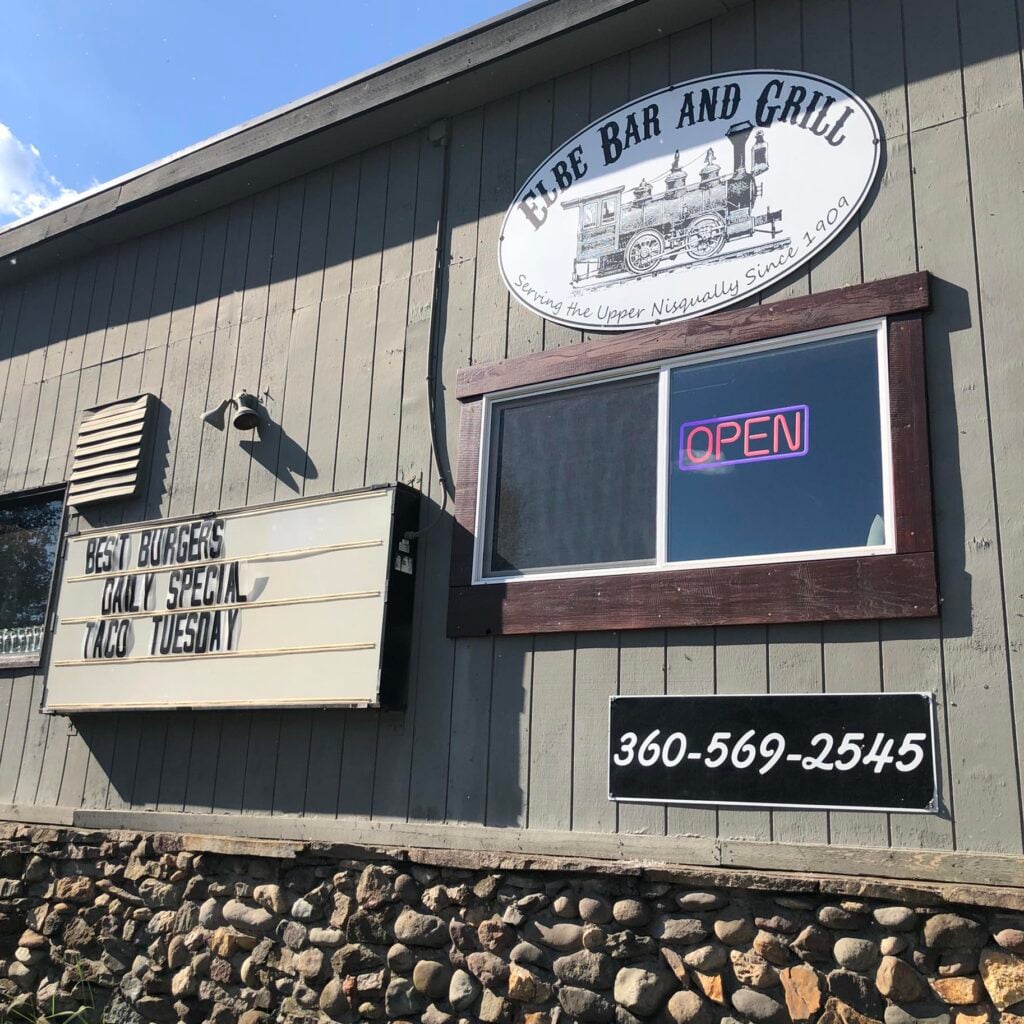

Route 7 connects Tacoma to Mount Rainier on the western side of the park, where several small towns have shot up as roadside pit stops along the way. The main featured towns are Elbe and Ashford. I really enjoyed Elbe Bar and Grill, which serves sandwiches and burgers, Whittaker’s BaseCamp Bar and Grill, and Wildberry Restaurant, where you can get a mix of food from the Himalayan Sherpas of Nepal and classic chicken strips.
From my experience, restaurants inside National Parks are rarely known for good quality food and affordable prices. And let me tell you, Mount Rainier is not the exception! But these are the options:
When entering from the eastern side of Mount Rainier, or when headed to the Sunrise Corridor in general, Packwood is the center for food and accommodation outside the park. I have had some great meals and drinks at both Packwood Brewing Company and Cliff Droppers.
You can find all my restaurant recommendations in my article, Where to Eat In and Around Mount Rainier.
Get our done‑for‑you, 7‑17 day route with exact drives, maps, and must‑see stops so you don’t waste time in traffic or miss the best views
Inside the guide:
*Day‑by‑day plan for Olympic, Mount Rainier, the Oregon Coast, & the Columbia River Gorge
*Details you need: Time frames, driving routes, and where to sleep each night to reduce back-tracking
*Best Friend Guarantee: love it or get your money back
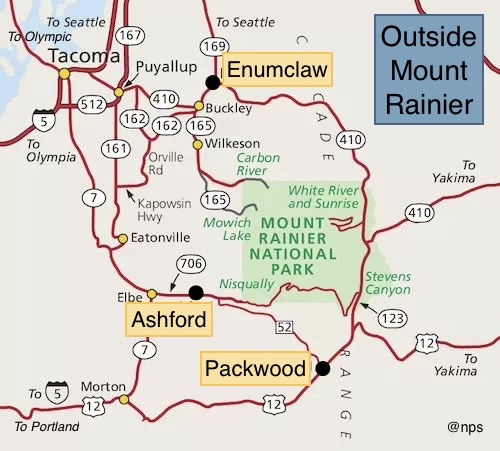
To reach Mount Rainier National Park, your route will vary based on your starting direction.
From Northwest (Seattle): Drive south on I-5, then take WA-512 east toward Puyallup. Continue on WA-7 south, then take WA-706 east to the Nisqually Entrance or take I-5 south and merge onto WA-18 east. Continue until you reach WA-164 east toward Enumclaw. From Enumclaw, follow WA-410 east (Chinook Scenic Byway) for about 40 miles to the White River Entrance.
From Southwest (Portland): Take I-5 north to US-12 east. From there, either take WA-123 north into the park at the Stevens Canyon Entrance or continue north on WA-7 and then east on WA-706 to reach the Nisqually Entrance.
From East (Spokane): Drive west on I-90, then south on US-395 to I-82 west. Follow US-12 west over White Pass, then connect to WA-123 north or continue toward the southwest entrances. You can also follow US-12 and take WA-410 west, just past Naches, to the White River Entrance.
Always check current road conditions and park alerts on the NPS website, as many routes and park entrances may close due to snow. For more information on which entrance to use, read our article Which Entrance Should I Use to Visit Mount Rainier?
| City | Distance | Drive Time |
|---|---|---|
| Seattle | 75 Miles | 2-hour drive |
| Portland | 140 Miles | 2-hour, 30-minute drive |
| Olympic National Park | 160 Miles | 3-hour drive |
| North Cascades National Park | 175 Miles | 4-hour drive |
Mount Rainier truly is incredible! We hope that this blog post has been a good resource to help you start planning your trip.
If you want to make planning your trip to Mount Rainier a breeze, check out our easy-to-follow, step-by-step itinerary.

Itinerary includes:
A Perfect 6 Day Itinerary for Olympic (For First Timers)
The Best (and Worst) Times of Year to Visit Olympic National Park
Driving the Oregon Coast HWY 101: 10 Things to Know Before You Go
13 Absolute Best Things To Do On Your Oregon Coast Road Trip (+ Where to Eat)
One PERFECT Day in Kings Canyon National Park (+ Where to Eat and Stay)